

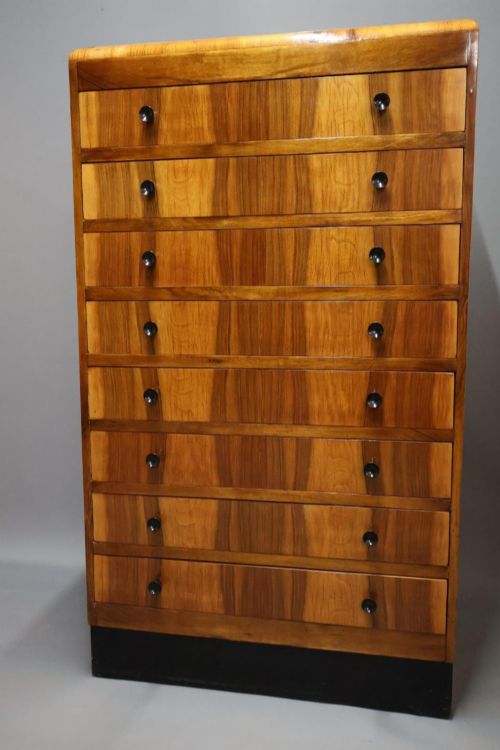


Ebonised and Walnut Cabinet
An ebonised and walnut cabinet pairs dark, ebonised timber with richly figured walnut, bringing high-contrast elegance and refined storage to a room.
Ebonised and Walnut Cabinet
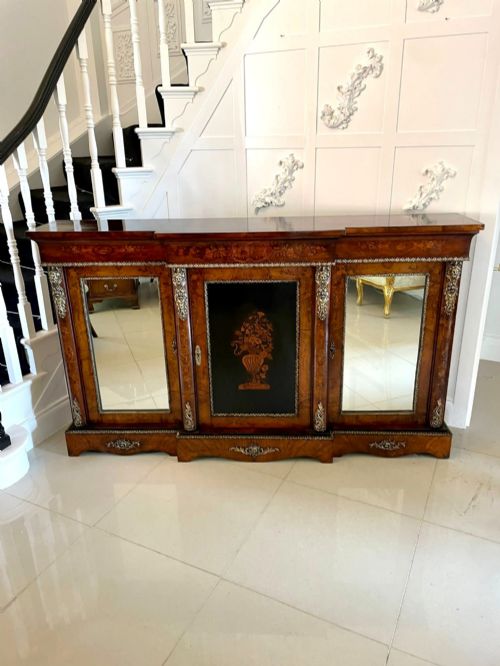
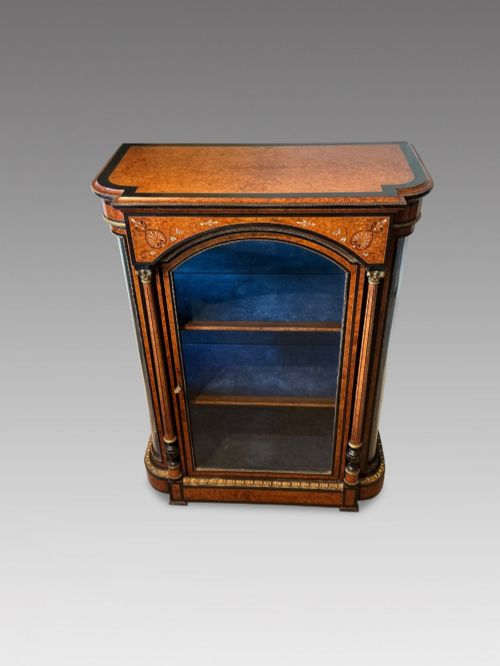
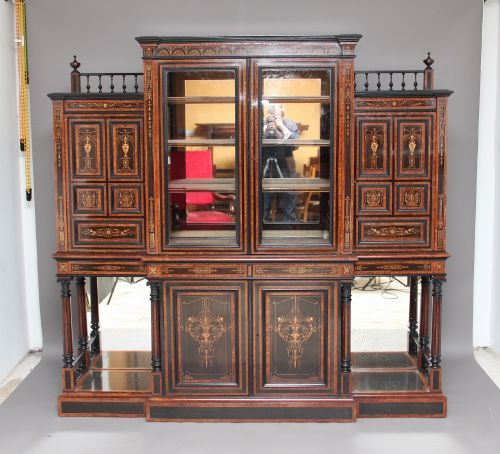
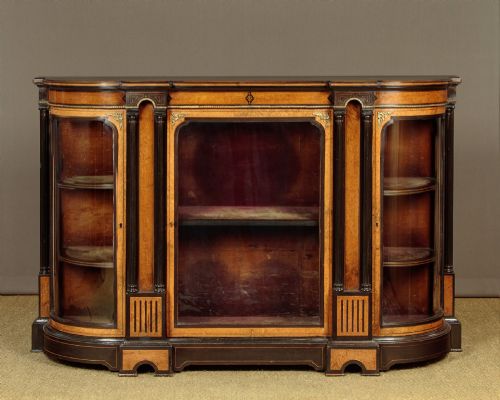
When you search for an ebonised and walnut cabinet, you encounter a sophisticated blend of dark ebonised framing and warm, highly figured walnut surfaces that date predominantly from the Victorian era and the nineteenth century. The most common forms on this page include credenzas, side cabinets, pier cabinets, and display cabinets designed to showcase or store prized possessions.
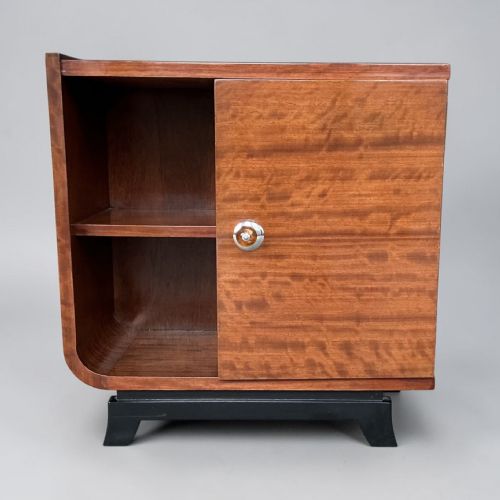
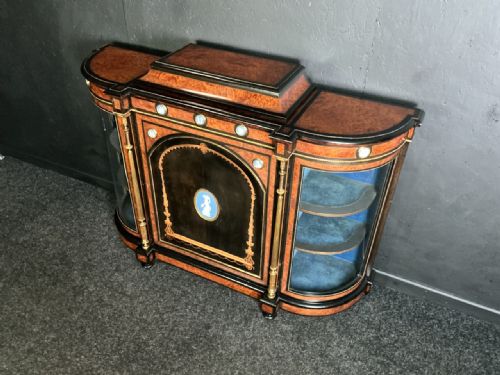
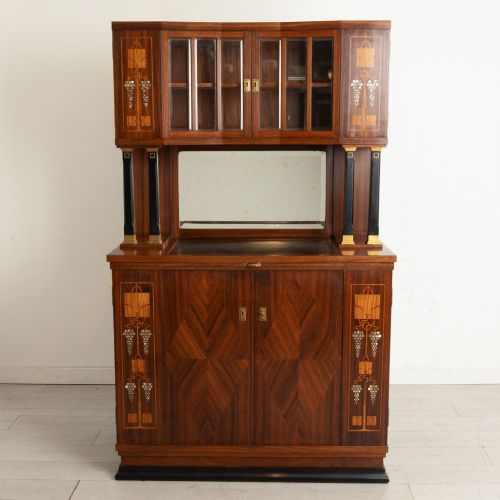
Originating largely from British and continental workshops, these pieces range from mid-Victorian marquetry-inlaid credenzas with glass doors to later Art Deco designs and aesthetic movement creations. Makers utilised the stark visual contrast between black ebonised wood and pale or burr walnut to highlight geometric stringing, brass mounts, and porcelain plaques.
Materials and construction
Cabinet makers constructed the carcasses using solid timbers such as walnut or pine, then applied thin veneers of burr walnut to large flat surfaces to display intricate grain patterns. Ebonised wood, created by staining fruitwood or timber black to imitate ebony, served as framing, columns, and mouldings.
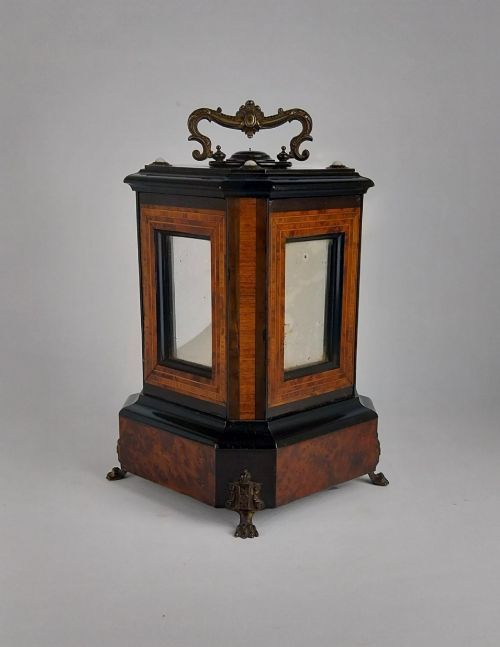
Surface decoration frequently incorporated marquetry inlay using boxwood or other light timbers, alongside applied ormolu mounts, brass stringing, and occasionally marble tops. Glass panels, glazed doors, and mirrored backs completed the construction of display pieces.
Listings feature Victorian, Art Deco, and Aesthetic Movement eras, spanning materials from burr walnut and ebonised wood to marble and ormolu.
Quality factors
The standard of a piece depends heavily on the choice of veneers, particularly the liveliness and symmetry of the burr walnut figuring across the doors and panels. Superior examples feature precise, tight marquetry work and crisp execution of the ebonised mouldings rather than simple painted finishes.
Hardware and interior detailing also separate ordinary pieces from exceptional ones, with finer cabinets retaining original brass mounts, working locks with keys, and well-fitted adjustable shelving. The integration of contrasting timbers requires high joinery skill to prevent warping and ensure tight joints over time.
Lamb of Manchester·August Ungethüm·Gillow
The Ebonised and Walnut Cabinet Glossary
- Ebonised
- Timber treated with stain or polish to resemble genuine ebony. This process gives a deep black finish popular in nineteenth-century design.
- Burr Walnut
- Wood taken from a walnut tree growth, yielding swirling, knotty grain patterns. It is sliced into veneers for high-status furniture fronts.
- Marquetry
- Decorative patterns formed by fitting together small pieces of veneer. Craftsmen use various woods to create floral or geometric pictures.
- Credenza
- A low cabinet or sideboard, often with glass-fronted side cupboards. Victorian versions frequently paired walnut with ebonised columns.
- Ormolu
- Gilded bronze used for decorative mounts and furniture feet. It adds a metallic highlight against dark ebonised and walnut surfaces.
Ebonised and Walnut Cabinet: Frequently Asked Questions
What is an ebonised and walnut cabinet?
These are nineteenth-century and later storage pieces that combine dark ebonised framing with figured walnut veneers. They were designed to provide both display space and enclosed storage in formal reception rooms.
Craftsmen used the contrasting light and dark tones to highlight geometric shapes, marquetry, and architectural details like columns and pilasters.
Where were these cabinets placed in a home?
Victorian households typically positioned these credenzas and pier cabinets against the main walls of drawing rooms or dining rooms. They served as surfaces for decorative ornaments while keeping valuable ceramics or silver safe behind glass.
Smaller bedside or pier cabinets found places in bedrooms and parlours to hold books or writing equipment.
How do I care for walnut and ebonised wood?
Keep these pieces away from direct sunlight and steady heat sources to prevent the walnut veneer from drying out or splitting. Dust gently with a dry, soft cloth and avoid modern aerosol polishes that contain silicone.
Waxing occasionally helps nourish the wood and maintain the soft lustre of both the ebonised framing and the walnut grain.
How can I tell the period of a cabinet?
Examine the construction methods, carcass timbers, and secondary woods used inside drawers and at the back. Victorian pieces often show specific marquetry styles and hardware associated with the mid to late nineteenth century.
Design motifs such as aesthetic movement incised lines or later art deco geometry also point toward specific decades of manufacture.