

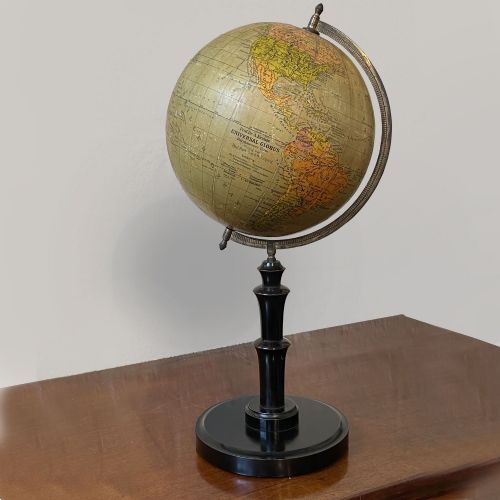
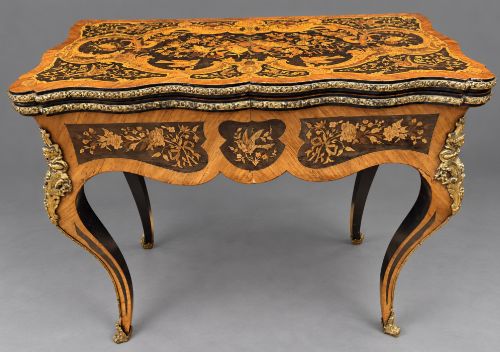
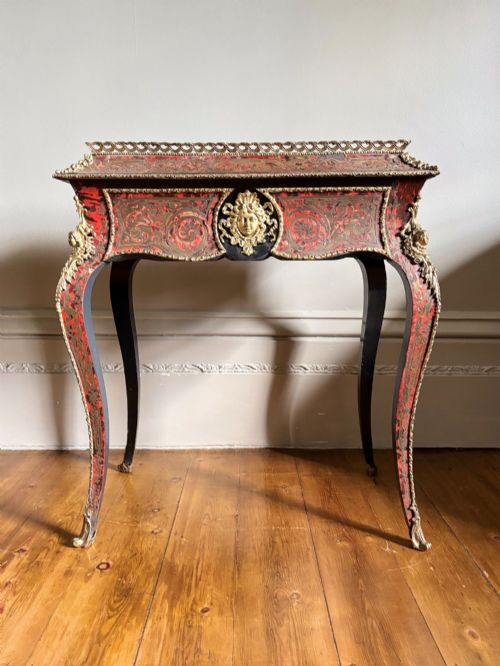
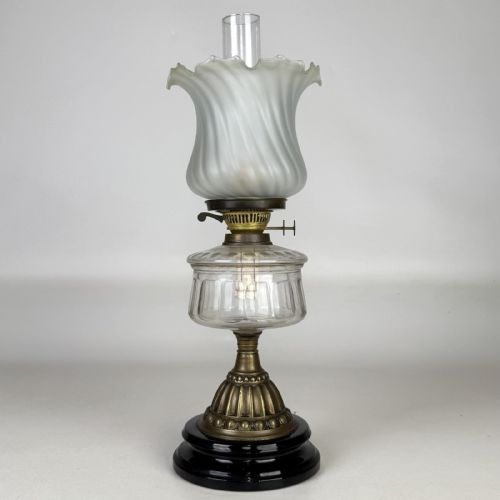
Ebonised and Brass Table
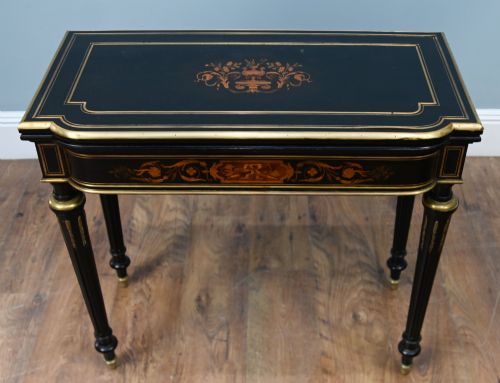
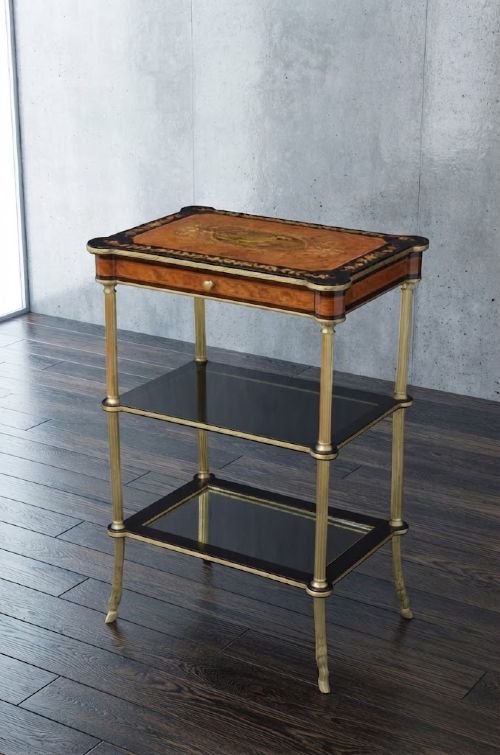
An ebonised and brass table brings deep dark timber and bright metallic inlay together to create striking focal points for a room.
Ebonised and Brass Table
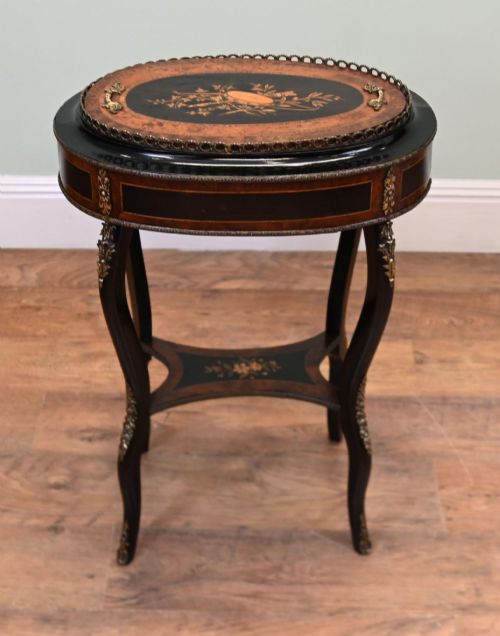
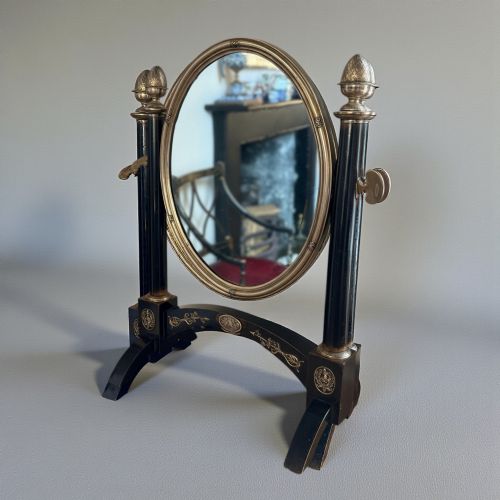
When you search for an ebonised and brass table, you encounter pieces that rely on stark contrasts between blackened wood surfaces and polished metal details. These items primarily date from the nineteenth century, reflecting periods such as the Victorian era and the Napoleon III style.
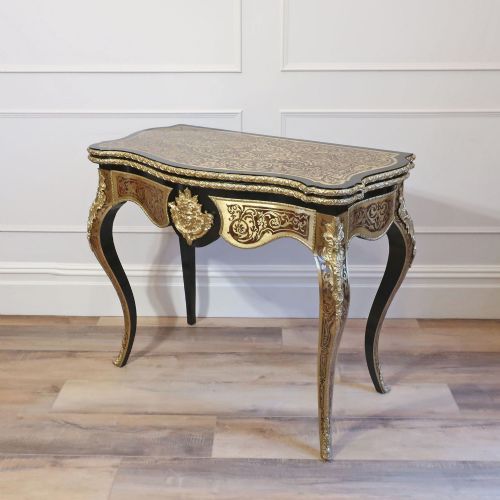
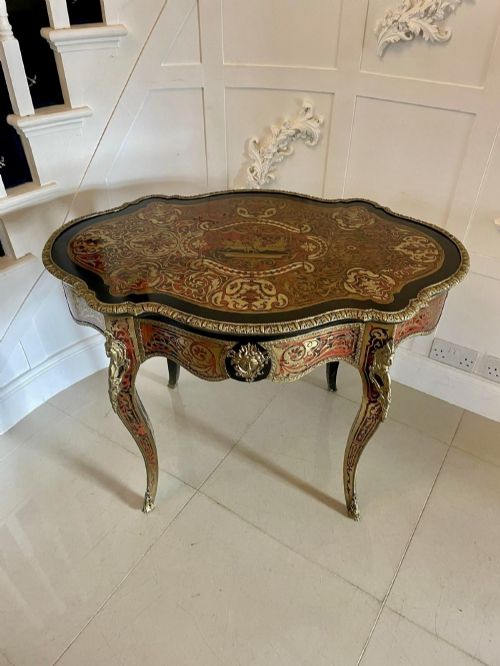
The forms span practical furniture designed for entertainment and display, including side tables, card tables, games tables, and centre tables. French workshops feature strongly among these listings, bringing ornate styling and intricate metalwork to the domestic interior.
Makers utilised brass inlay and mounts to accentuate the geometric or floral patterns set into the dark timber grounds. Such pieces served as prominent display surfaces in formal reception rooms and parlours.
Materials and Construction Techniques
Cabinet makers achieved the deep black finish of the timber by staining or ebonising woods like fruitwood or beech to mimic the appearance of costly ebony. They combined this dark base with cast or sheet brass, often integrating ormolu, gilt bronze, and tortoiseshell to enrich the decorative scheme.
Inlay work required precise hand-cutting of both the wood veneer and the brass sheets so that the metal fitted flush into the surface channels. Brass mounts were cast, chased, and secured with tiny pins or screws to frame the edges and corners of the tables.
Ebonised and Brass Table Retail Price Guide 2026
Typical asking prices for ebonised and brass table among the pieces listed under this phrase on Sellingantiques today, from the lower quarter to the upper quarter. They describe what is for sale here now, not the wider market.
Materials appearing alongside ebonised wood and brass include ormolu, tortoiseshell, and glass across various side tables and desks.
Quality and Craftsmanship
The standard of an ebonised and brass table rests on the precision of the inlay and the crispness of the cast mounts. Superior examples display tight joints between the brass and the dark wood without gaps or heavy fillers.
Design complexity also marks out the better pieces, with intricate marquetry and multiple timber species showing greater artisan skill than simple flat surfaces. The weight and finish of the brass components reflect the time invested in chasing and polishing by the maker.
Maison Millet·Edwards and Roberts·Desbois and Wheeler·Jonathon Lowndes·John Witherston·Le Roy
The Ebonised and Brass Table Glossary
- Ebonised
- Wood treated with stain or polish to resemble genuine ebony. This dark finish provides a high-contrast background for metal inlay.
- Ormolu
- Gilded bronze applied to furniture mounts and clock cases. The technique involves coating bronze with a mercury and gold amalgam.
- Marquetry
- Inlaid patterns applied to furniture surfaces using various woods and metals. Artisans cut thin veneers to create pictorial or geometric designs.
- Boulle
- A form of marquetry developed in France using brass and tortoiseshell. This technique is typical of Napoleon III and Louis XV style pieces.
Ebonised and Brass Table: Frequently Asked Questions
How do I clean an ebonised and brass table?
Dust the surfaces regularly with a soft, dry cloth to prevent dirt accumulation in the brass channels. Avoid harsh chemical cleaners that can strip the dark ebonised finish or discolour the metal.
Apply a mild, pH-neutral wax sparingly to the timber if the surface appears dry. Buff gently with a clean cloth to maintain the subtle sheen without leaving residue on the brass.
Where should I place an ebonised and brass table?
Position the piece away from direct sunlight and strong heat sources to protect the wood and prevent the brass inlay from loosening. A stable indoor climate keeps the timber from expanding or contracting.
These tables work well as centre pieces in a room or as side surfaces next to seating. The dark timber and reflective metal details need adequate ambient light to show the craftsmanship.
How can I tell a Victorian ebonised table from later pieces?
Examine the construction methods underneath and inside the piece, looking for hand-cut joints and older fixings. Victorian and nineteenth-century examples often display specific regional characteristics in the timber preparation.
Check the style of the brass mounts and the quality of the ebonisation against known period pieces. Later reproductions may use modern adhesives or machine-stamped metalwork rather than hand-chased mounts.