



Eastern European Carpet
An eastern european carpet brings distinctive floral motifs and flat-weave traditions into a room, offering both history and texture.
Eastern European Carpet
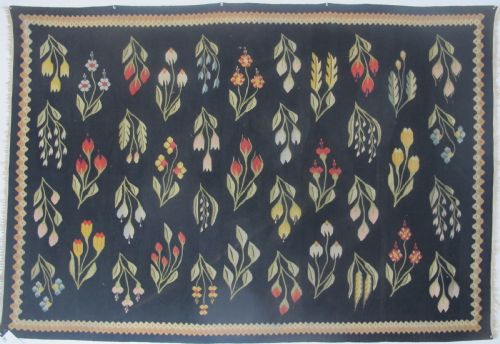
When you search for an eastern european carpet, you encounter flat-weave kilims, rugs, and occasional tapestries originating from regions such as Bessarabia, Ukraine, Romania, and the Caucasus. These textiles date from the late nineteenth century through to the early decades of the twentieth century, reflecting local weaving traditions.
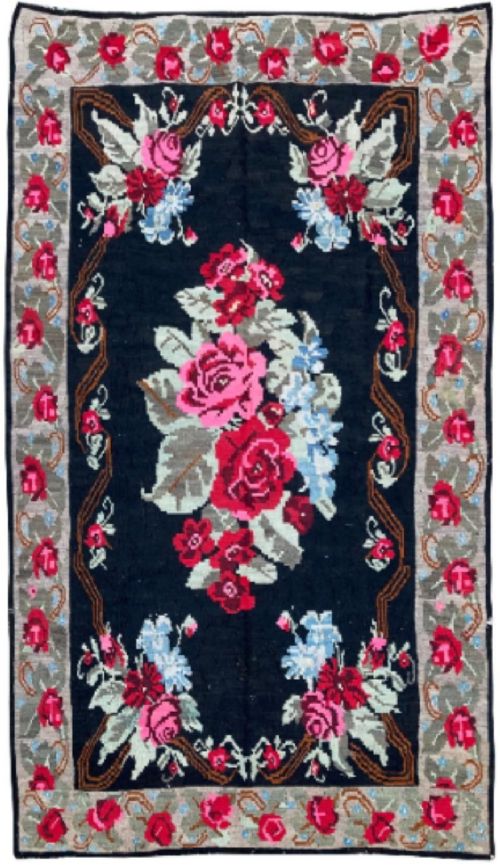
The version you are most likely to meet on this page is the Bessarabian kilim, typically rendered in deep wool. Alongside these, pieces from Ukrainian, Caucasian, and Balkan folk traditions appear regularly in forms ranging from small area rugs to large floor coverings.
How they were made
These textiles rely on wool for their pile or flat-weave structure, often combined with a cotton foundation to provide stability. Weavers constructed them using traditional flat-weave and tapestry techniques that allowed for intricate pictorial and floral compositions.
The maker built the design thread by thread, blending regional dyeing methods with local stylistic motifs. This construction method creates a durable textile that lies flat on the floor or hangs securely as a tapestry.
Eastern European Carpet Retail Price Guide 2026
Typical asking prices for eastern european carpet among the pieces listed under this phrase on Sellingantiques today, from the lower quarter to the upper quarter. They describe what is for sale here now, not the wider market.
The listings here span the eighteen-eighties to the nineteen-thirties, utilising wool and cotton across regions including Bessarabia, Ukraine, and the Caucasus.
What varies in quality
The distinction between standard examples and the finest pieces rests upon the crispness of the floral drawing and the depth of the wool. Superior weaving displays a careful control of tension and a rich saturation of natural dye colours.
Condition and scale also define the upper tier of these textiles. Larger formats that retain their original dimensions and dense wool pile command greater attention than smaller, heavily restored variants.
The Eastern European Carpet Glossary
- Kilim
- A flat-woven carpet or rug produced without a pile. This technique creates a lightweight textile suitable for both floors and walls.
- Bessarabian
- A regional style known for dark grounds and naturalistic floral patterns. These pieces often feature roses and trailing foliage.
- Caucasian
- Pertaining to textiles originating from the Caucasus region. These works often incorporate geometric motifs alongside traditional floral elements.
- Tapestry
- A form of textile art woven by hand on a loom. Pieces of this type function primarily as wall hangings rather than floor coverings.
- Flat-weave
- A method of construction where the warp and weft yarns interlace without creating a raised pile. This produces a smooth, durable surface.
Eastern European Carpet: Frequently Asked Questions
How do I clean an eastern european carpet?
Vacuum gently without a rotating brush to protect the flat-weave structure. Professional specialist cleaning is recommended for wool textiles to preserve the dyes.
Avoid immersion in water or harsh chemical detergents. Regular light shaking helps remove embedded dust without stressing the fibres.
Where should I place a kilim rug?
These flat-woven textiles suit rooms with moderate foot traffic such as studies or bedrooms. They also function well as wall hangings to protect them from excessive wear.
Pair them with a suitable underlay to prevent slipping on smooth wooden or stone floors. Keep them out of direct sunlight to protect the wool and dye colours.
What is a Bessarabian kilim?
A Bessarabian kilim is a flat-woven textile originating from the historical Bessarabia region. They are characterised by dark backgrounds and naturalistic floral designs.
These pieces often feature large roses and detailed botanical garlands. They bridge folk art traditions with formal nineteenth-century interior decoration.
How do I date an antique carpet?
Examine the materials, dye types, and regional weaving characteristics visible in the piece. Stylistic elements such as floral motifs often point to specific decades between eighteen-eighty and nineteen-thirty.
Compare the construction methods against known examples from the same geographical area. Wear patterns and wool quality also offer clues regarding the age of the textile.