







Earthy Tone Picture
An earthy tone picture brings natural warmth into a room through muted pigments and pastoral subjects.
Earthy Tone Picture
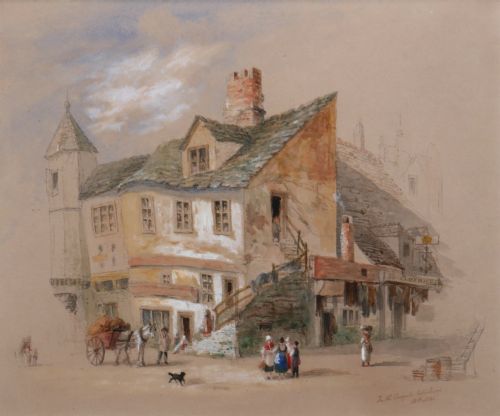
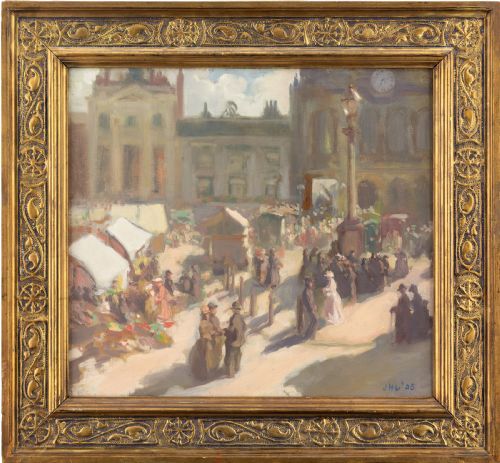
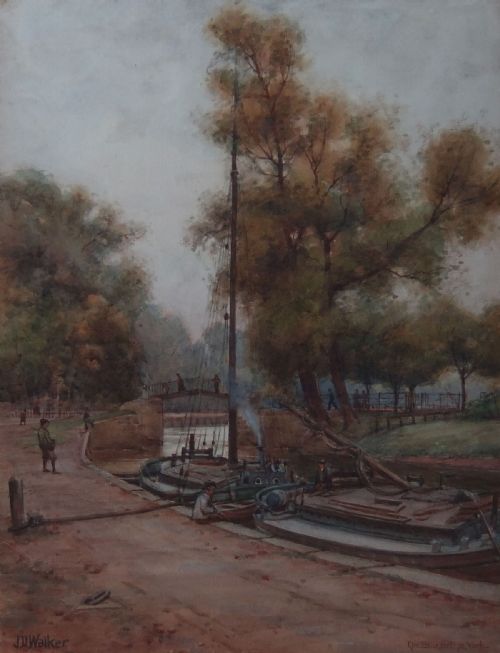
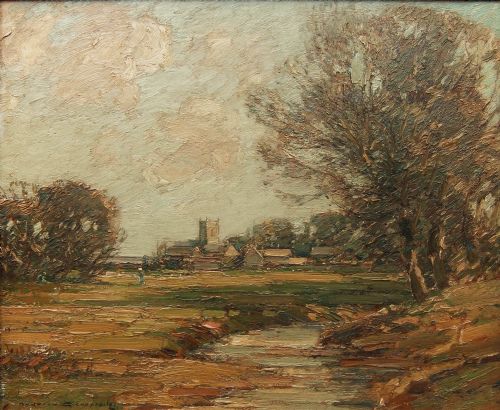
When you search for an earthy tone picture, you encounter landscape and rural paintings dominated by natural, muted hues. These artworks span from the nineteenth century through the mid-twentieth century, capturing tranquil countryside scenes and quiet village views.
The selections on this page lean heavily toward British and European watercolours and oil paintings on canvas or board. You are most likely to meet atmospheric watercolours of farmyards and riverbanks alongside oil paintings rendered in subdued, organic palettes.
Subjects range from Edwardian gardens in Kashmir to Yorkshire farmyards and French Barbizon landscapes. Each piece reflects the characteristic restrained coloration and naturalistic observation of its respective period.
How they were made
Artists utilised watercolour paint on paper and oil paint applied to canvas or board to build these rustic compositions. Pigments were chosen to evoke natural soil, stone, and foliage tones without excessive brilliance.
Support materials include traditional wooden framing often paired with glass protection for watercolours, preserving delicate paper surfaces. Oil paintings on board and canvas employ traditional grounds and mediums suited to the era of creation.
Earthy Tone Picture Retail Price Guide 2026
Typical asking prices for earthy tone picture among the pieces listed under this phrase on Sellingantiques today, from the lower quarter to the upper quarter. They describe what is for sale here now, not the wider market.
Several artists preferred painting farmyards, ensuring chickens and cart sheds share equal billing with rolling hills.
What varies in quality
The handling of light and shadow distinguishes finer works from simpler decorative pieces within this grouping. Accomplished brushwork captures atmospheric depth, particularly in how skies and water are rendered.
The provenance and documentation associated with an artist significantly influence the standing of a work. Signed compositions by documented regional and national painters carry greater substance than anonymous or unsigned output.
John Hodgson Lobley·James Tower·William JB Jenkins·John Atkinson·G Villiers Stuart·Charles H Poingdestre·Kershaw Schofield·Owen Bowen·Fred C Jones·John D Walker·William Kay Blacklock·George Soper
The Earthy Tone Picture Glossary
- Watercolour
- A painting method in which the paints are made of pigments suspended in a water-based solution. Paper serves as the primary support for these transparent washes.
- Oil on Canvas
- Pigments bound in a drying oil applied to a stretched woven fabric surface. This technique allows for rich texture and layered tones.
- Barbizon School
- A nineteenth-century French movement focused on realism in landscape painting. Artists painted directly from nature with an emphasis on earthy colour palettes.
- Board
- A rigid flat panel used as a painting support instead of stretched canvas. Artists often utilised wooden or millboard panels for smaller plein air studies.
Earthy Tone Picture: Frequently Asked Questions
What periods do these paintings come from?
The works span the nineteenth century, the Edwardian era, and through the 1940s. They include pieces from various twentieth-century British and European schools.
Most examples date between eighteen-hundred and nineteen-forty, reflecting traditional landscape and pastoral traditions.
How should I frame a watercolour?
Watercolours require framing behind glass to protect the paper from moisture and atmospheric dust. Acid-free mounts prevent chemical damage over time.
Keeping the artwork away from direct sunlight preserves the muted pigments characteristic of these scenes.
What subjects are most common?
Rural scenes, farmyards, riverbanks, and village views dominate the selection. Artists focused on agricultural life and natural landscapes.
Foreign locations like Kashmir gardens also appear alongside domestic Yorkshire and French countryside views.
Are these works signed by the artists?
Many pieces feature signatures from known regional and national painters of the period. Studio sales and documented provenance often accompany these works.
Attributions are supported by stylistic evidence consistent with early twentieth-century British and European painting.