
Earthenware Ceramic Urn
An earthenware ceramic urn brings centuries of kiln craft and decorative ambition straight into a room.
Earthenware Ceramic Urn
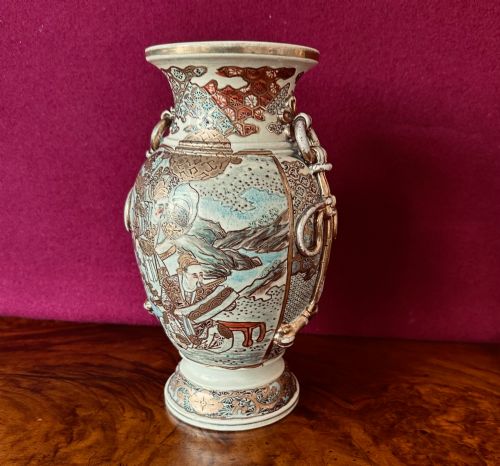
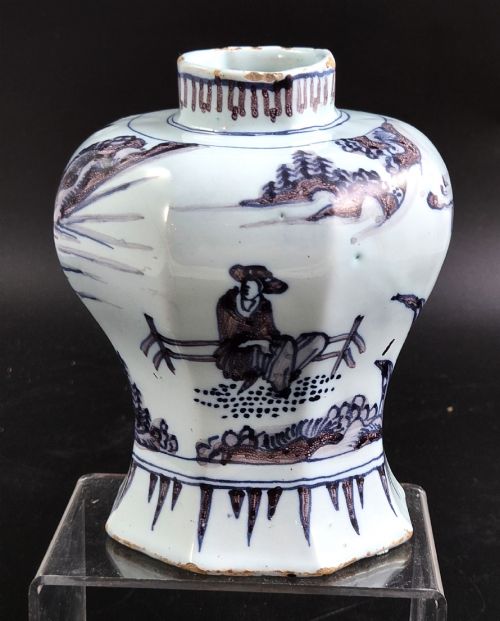
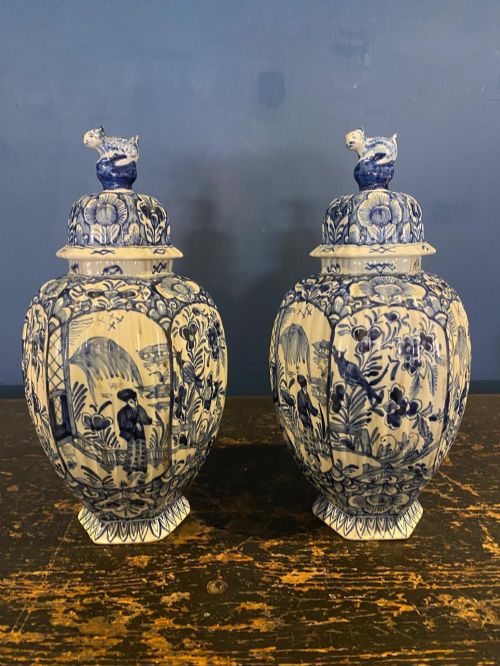
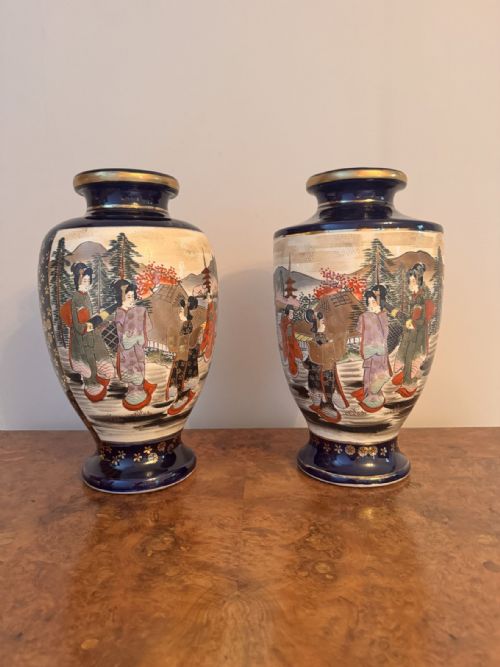
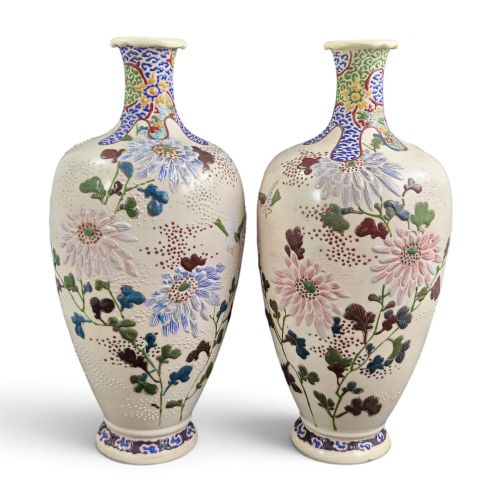
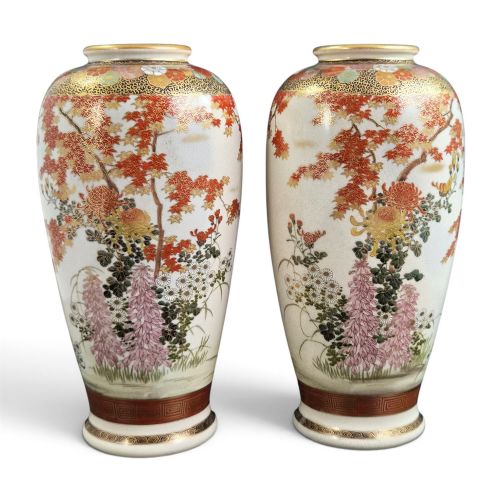
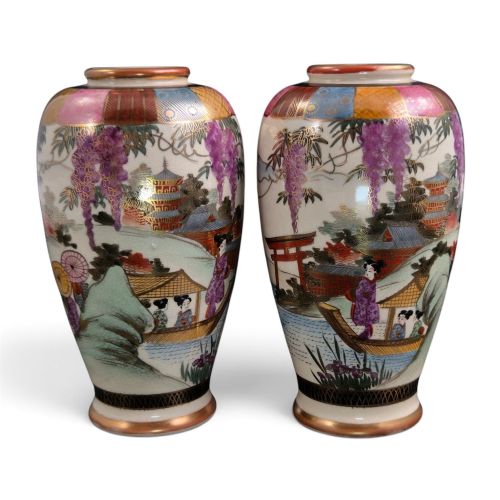
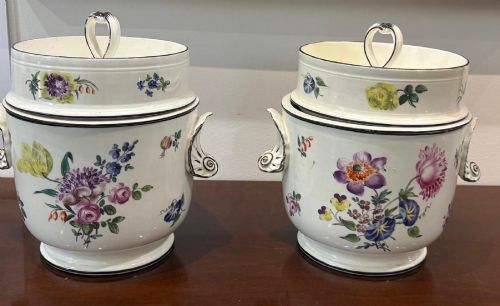
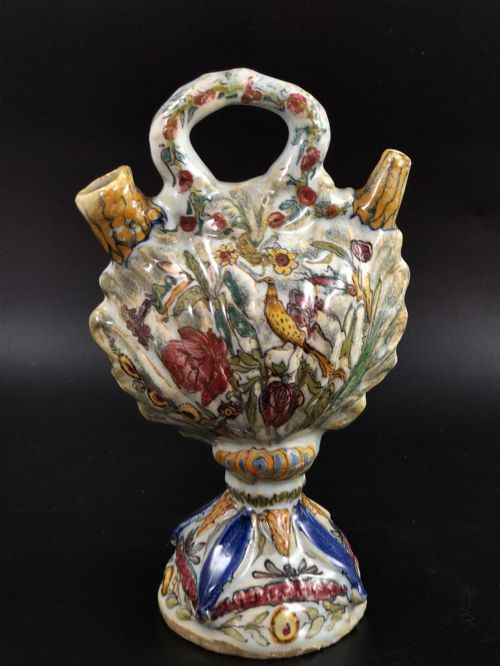
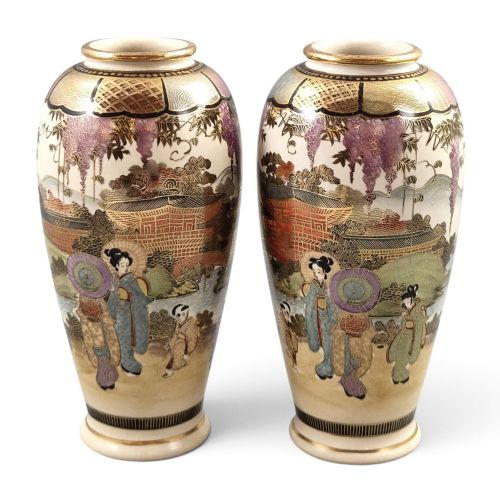
When you search for an earthenware ceramic urn, you encounter a varied group of vessels spanning decorative vases, lidded jars, and wine coolers. The selection draws heavily on nineteenth-century European faience, majolica, and creamware alongside Japanese Satsuma wares from the Meiji period.
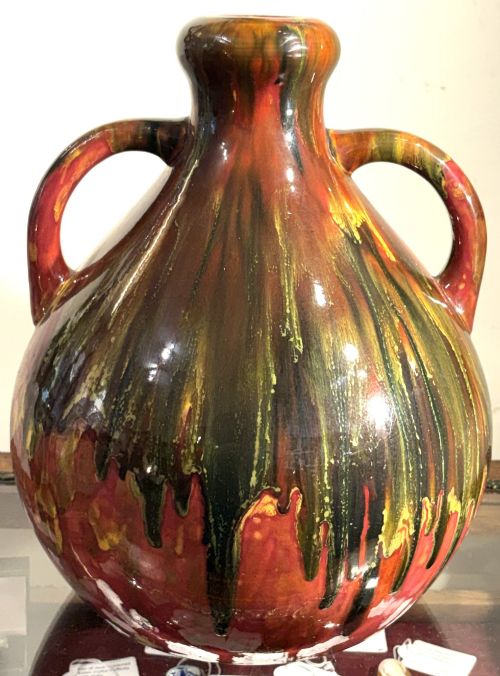
Most examples found here take the form of baluster vases, campana-style urns, and handled jars intended primarily for display. These objects cross several stylistic traditions, including Dutch Baroque, French Rococo Revival, and Art Nouveau.
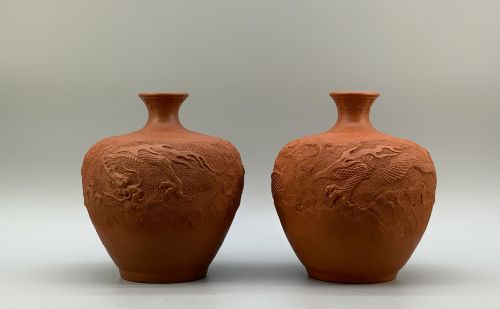
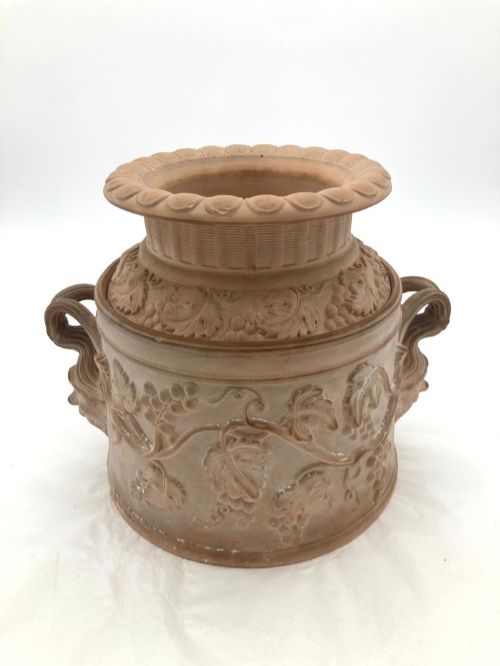
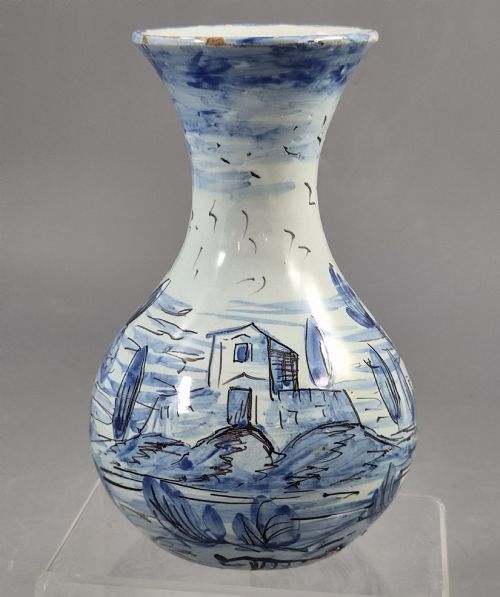
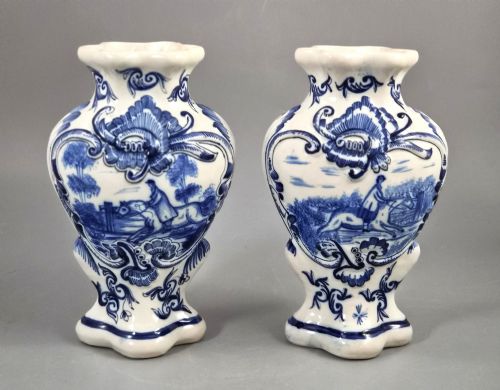
The materials reflect traditional earthenware production, incorporating tin glazes, enamel decoration, and terracotta bodies. Buyers meet both grand, polychrome exhibition pieces and restrained blue-and-white domestic vessels.
How they were made
Makers shaped porous earthenware and terracotta bodies on the wheel or in moulds before applying opaque tin glazes or clear lead glazes. These foundational coats provided a smooth, white surface for subsequent hand-painting in cobalt blue or polychrome enamels.
Many European and Japanese works received rich surface treatments involving gilding, gold leaf, and raised enamel detailing. Artisans then fired the pieces multiple times to fix the metallic accents and vibrant mineral colours permanently into the glaze.
Materials range from raw terracotta and creamware to tin-glazed earthenware enriched with gold leaf.
What varies in quality
The division between standard output and the finest examples rests on the crispness of the modelled relief and the control shown in the hand-painting. Superior pieces display finely delineated figures, balanced compositions, and carefully applied gilding that integrates smoothly with the ceramic body.
Workshop pedigree and the ambition of the original design dictate the standing of individual pieces. Well-documented factories and named artists achieve greater clarity in their glazes and exhibit tighter throwing and moulding standards than anonymous workshop pieces.
Maruni Kobe Japanese·Davenport·Cantagalli·Fourmaintraux Courquin·Burmantoft's Pottery·Doulton Lambeth·Reissner Stellmacher and Kessel·Kinkōzan·Hotoda
The Earthenware Ceramic Urn Glossary
- Majolica
- Tin-glazed earthenware decorated with opaque colourful glazes, often associated with Italian Renaissance revival styles and nineteenth-century European production.
- Faience
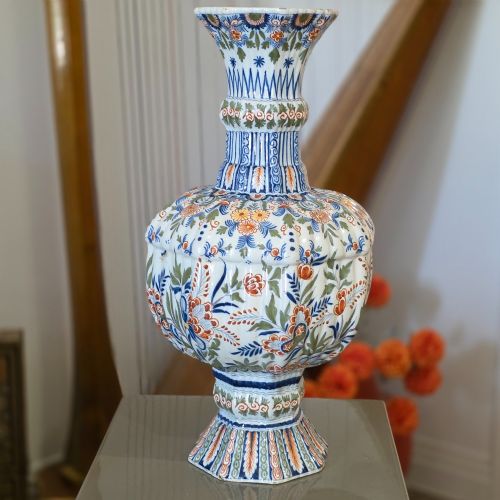
- European tin-glazed pottery, particularly French and Dutch wares, known for painted blue-and-white or polychrome designs over a white enamel ground.
- Satsuma
- Japanese earthenware pottery featuring a crackled ivory glaze decorated with intricate polychrome enamels and gold leaf, largely produced during the Meiji period.
- Creamware
- A refined, pale yellow-cream earthenware developed in England during the eighteenth century, valued for its light weight and smooth utilitarian form.
Earthenware Ceramic Urn: Frequently Asked Questions
How do I clean an antique earthenware urn?
Dust the surface gently with a dry, soft-bristled brush to remove accumulated particles without disturbing delicate enamel or gilt details. Avoid using water or chemical cleaners, particularly on older tin-glazed or earthenware pieces where moisture can penetrate porous clay bodies or cracked glazes.
Keep these vessels away from direct sunlight and areas prone to sudden temperature fluctuations. Stable indoor conditions protect the ceramic structure and prevent further crazing in the historic glaze.
Are these urns waterproof?
Many historic earthenware and majolica vessels feature porous clay bodies and older glaze formulations that can seep moisture over time. Even fully glazed pieces may develop hairline cracks in the glaze that allow water to reach the underlying terracotta or earthenware.
Protect the interior by placing a discreet, separate glass or plastic vessel inside if you plan to display fresh flowers. This practice prevents water damage and preserves the historic ceramic interior from mineral deposits.
How can I tell Japanese Satsuma from European faience?
Examine the base material and the characteristic surface texture to distinguish between these regional traditions. Japanese Satsuma typically presents a finely crackled, ivory-coloured earthenware body decorated with dense polychrome enamels and gold leaf.
European faience relies on an opaque tin glaze, often displaying Delft blue painting or colourful majolica motifs inspired by Italian Renaissance styles. The weight, potting style, and palette instantly separate the two traditions.
Where should I display a large ceramic urn?
Position substantial pieces on sturdy, level surfaces such as dedicated pedestals, heavy sideboards, or low tables where their weight finds secure support. Because many of these objects possess significant mass and delicate handles or covers, choose locations away from busy walkways.
Allow enough surrounding space for the form to breathe visually without risking accidental knocks. Good ambient lighting helps reveal the fine hand-painted details and surface glazes.