



Earth Tone Watercolour Artwork
Earth tone watercolour artwork brings muted ochres, umbers and soft greens onto paper, capturing British and continental landscapes through delicate washes.
Earth Tone Watercolour Artwork
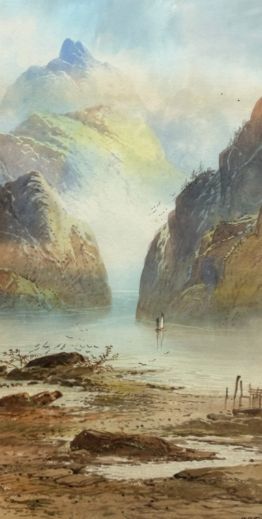
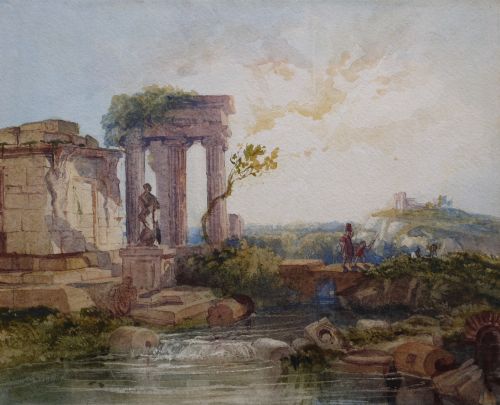
Earth tone watercolour artwork encompasses original landscape paintings, coastal scenes, and figurative studies executed on paper using water-soluble pigments. These works primarily span the Victorian, Edwardian, and mid-twentieth-century periods, capturing everything from Yorkshire harbours and Scottish lochs to Italian village scenes.
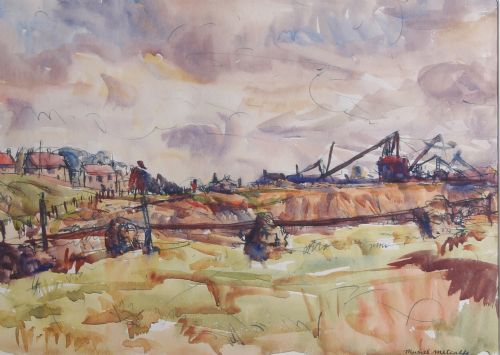
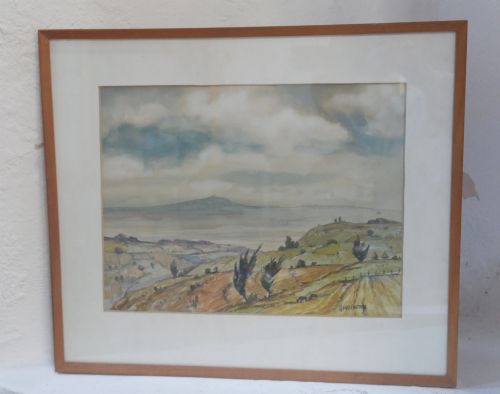
The pieces on this page are predominantly original works framed behind glass, often signed by the artist. Buyers encounter depictions of rural life, agricultural labour, and architectural landmarks rendered in subdued natural palettes rather than vivid primaries.
Materials and Technique
Artists applied watercolour paint and pigment suspended in water directly onto prepared paper surfaces. This medium allowed for varying degrees of transparency, building up the characteristic soft earth tones through successive washes.
Framing with glass and wood protected these delicate works on paper from atmospheric moisture and handling. The interaction between the pigment and the paper grain remains fundamental to the visual texture of each piece.
Listings feature paper, glass, wood, and watercolour pigment across Victorian and mid-twentieth-century styles.
What Varies in Quality
Quality in these watercolours rests upon the confident handling of light and shadow within the natural palette. Superior works demonstrate a skilled control of pigment transparency that gives depth to skies, hills, and water.
Compositional strength and the artist's ability to capture fine detail in figures and architecture distinguish the more accomplished paintings from standard topographical records.
William Henry Earp·Richard Principal Leitch·Alfred George Morgan·James Orrock·Henry Charles Fox
The Earth Tone Watercolour Artwork Glossary
- Watercolour pigment
- Finely ground colour matter mixed with a binder for use in painting on paper. It forms the primary coloured layer of the artwork.
- Wash
- A thin, transparent layer of diluted watercolour paint spread across the paper. This technique creates smooth skies or broad atmospheric backgrounds.
- Seascape
- A painting depicting the sea, coastal views, or maritime activity. Many examples feature rocky shores and fishing boats.
- Provenance
- The documented history or origin of an artwork. Knowing the background of a piece helps confirm attribution to a specific artist.
Earth Tone Watercolour Artwork: Frequently Asked Questions
How should I frame earth tone watercolour artwork?
These works on paper require framing behind glass to protect the pigment from dust and moisture. Acid-free mounts prevent the paper from degrading over time.
Keeping the framed piece away from direct sunlight preserves the muted earth tones and prevents fading of the delicate washes.
What periods do these watercolours come from?
The listings span from the nineteenth century through the Edwardian era and into the mid-twentieth century. Victorian and Edwardian works make up a significant portion of the available selection.
Mid-century pieces by artists like Muriel Metcalfe and James Tower also appear, reflecting changing landscape styles.
How do I identify the subject matter in these paintings?
Many titles and signatures on the back or front of the paper record specific locations such as Yorkshire, North Wales, or Italian villages. Rural scenes often depict agricultural work, farmhouses, or coastal harbours.
Landscapes dominate the selection, offering views of British countryside and continental European scenes.
Are these paintings original works?
The selection consists entirely of original watercolour paintings executed by hand on paper rather than mass-produced prints. Each piece displays unique brushwork and individual pigment mixing.
Many examples feature the original signature of the artist alongside period frames.