



Early Wooden Storage
Early wooden storage unites heavy-timber coffers, walnut chests of drawers and sturdy pine boxes built to hold domestic possessions across centuries.
Early Wooden Storage
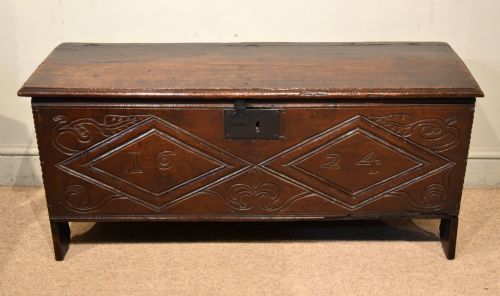
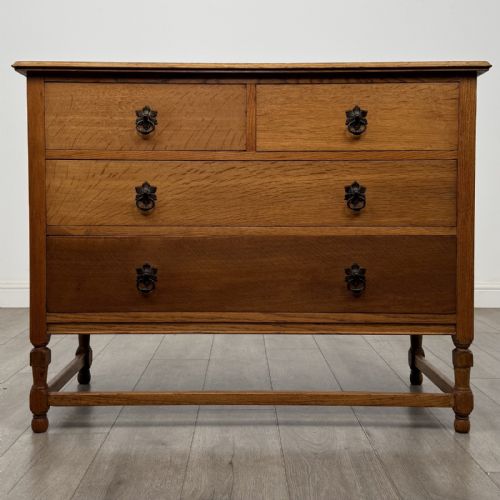
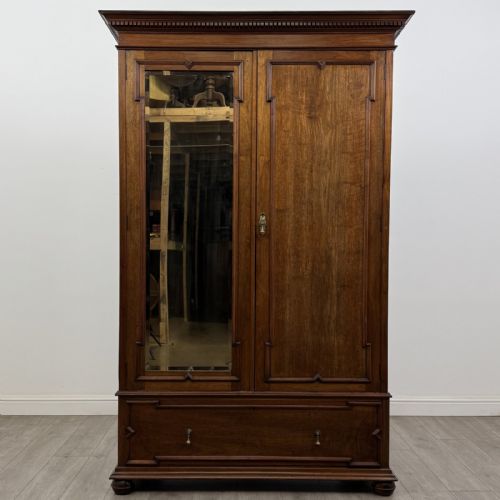
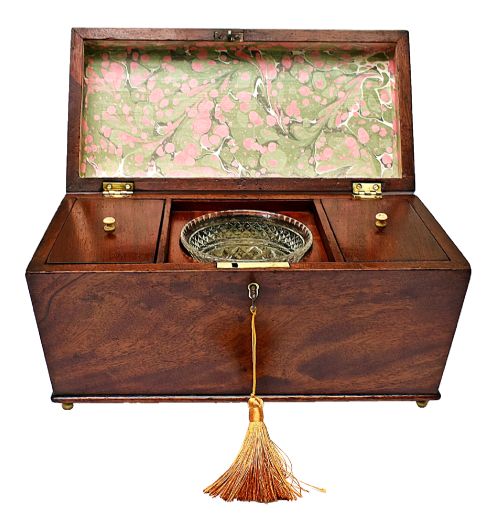
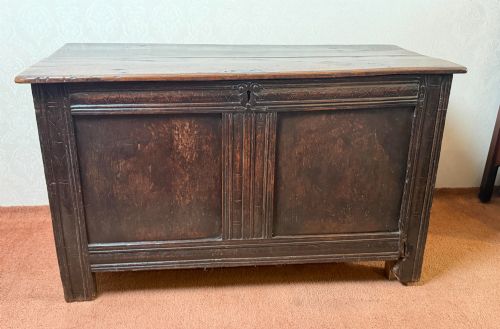
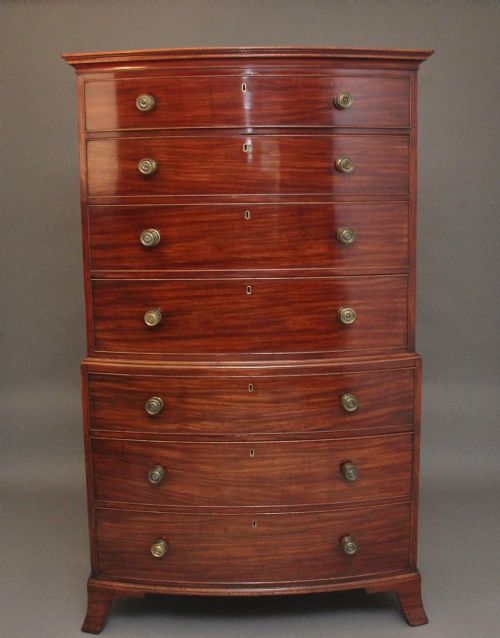
Early wooden storage encompasses utilitarian boxes, large coffers and robust chests of drawers built to secure household belongings. When exploring early wooden storage, pieces range from sixteenth-century plank coffers to nineteenth-century mahogany tallboys and pine bins.
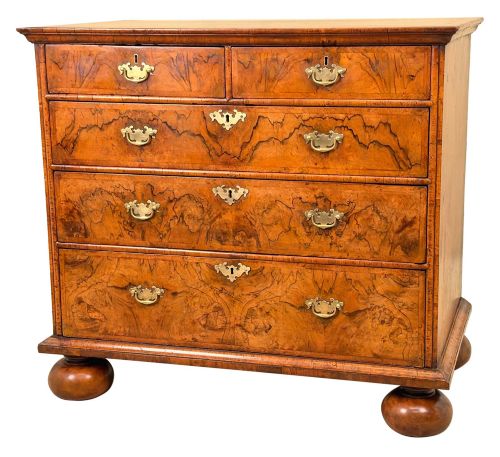
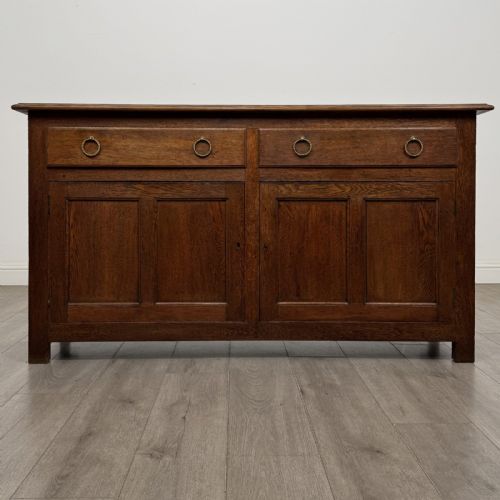
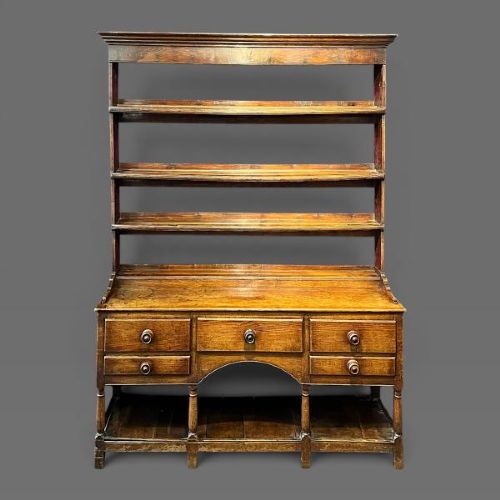
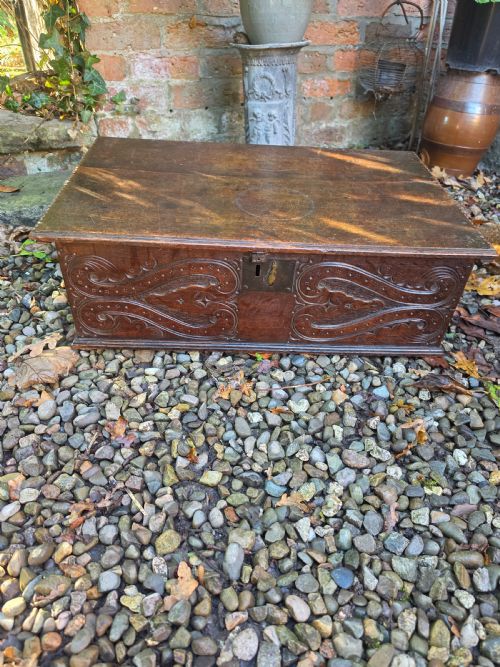
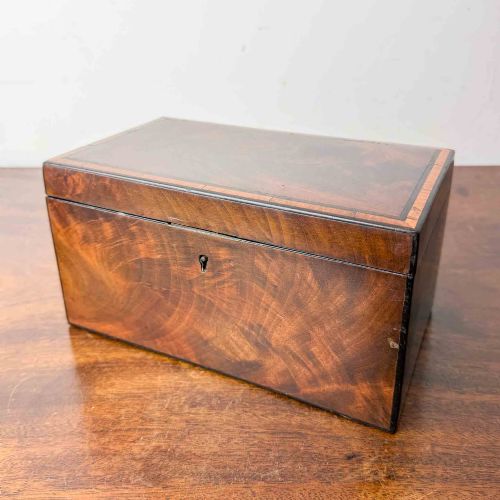
The selections here lean heavily toward seventeenth- and eighteenth-century oak coffers alongside walnut and mahogany chests of drawers. Buyers encounter everything from small Bible boxes and tea caddies to monumental Welsh dressers and industrial shoe trolleys.
How they were made
Joiners relied primarily on solid oak, walnut and mahogany, shaping boards with hand planes and assembling panels using mortise and tenon joints secured by wooden pegs. Iron strapwork, brass handles and locks provided structural reinforcement and security.
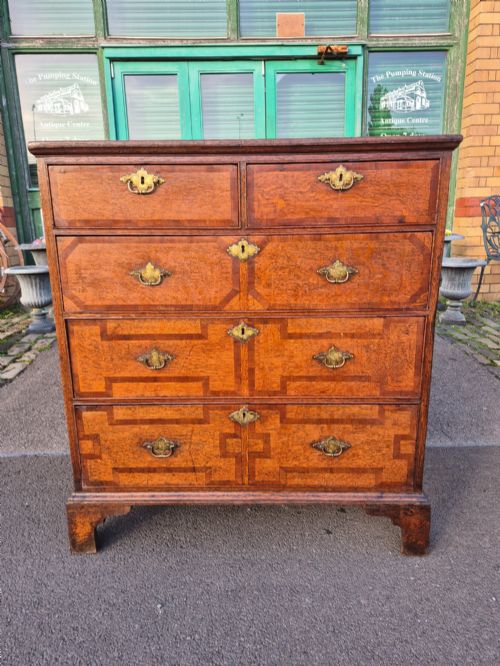
Surfaces often display carved geometric mouldings, herring-bone banding or figured veneers applied with animal glues. Pine and hardwood served secondary functions, while specialised items incorporated turned legs, glass panels or mother-of-pearl inlay.
Early Wooden Storage Retail Price Guide 2026
Typical asking prices for early wooden storage among the pieces listed under this phrase on Sellingantiques today, from the lower quarter to the upper quarter. They describe what is for sale here now, not the wider market.
An industrial shoe trolley from the early twentieth century proves that early wooden storage also kept factory floors in order.
What varies in quality
Quality rests in the integrity of the timber selection, the crispness of hand-cut joints and the survival of original surface finishes. Pieces retaining untouched patinas and period ironwork command greater respect than those stripped down or heavily rebuilt.
Proportion and restraint separate standard utility items from masterwork examples, such as walnut chests with balanced herringbone banding or early coffers featuring deep, purposeful relief carving.
The Early Wooden Storage Glossary
- Coffer
- A heavy wooden chest traditionally used for storing valuables, linens or documents. These sturdy boxes often feature hinged lids and plank construction.
- Tallboy
- A tall chest of drawers formed by stacking one chest upon another. This vertical configuration maximised storage space in smaller chamber rooms.
- Teapoy
- A small pedestal table or box designed to hold tea canisters. They frequently contain internal compartments and mixing bowls.
- Cassone
- A large Italian chest intended for holding bridal trousseaus. These decorated storage pieces often exhibit elaborate carving or painted panels.
- Plank
- A long, flat piece of timber sawn from a tree trunk. Early furniture construction relied heavily on thick planks joined together without complex internal framing.
Early Wooden Storage: Frequently Asked Questions
What is an oak coffer?
An oak coffer is a heavy, rectangular chest constructed from thick timber boards joined at the corners. They served as primary furniture for storing clothes, blankets and valuables in medieval and early modern households.
Over time, these chests evolved from simple plank containers into panelled structures decorated with carved mouldings and iron hinges.
How do I date a wooden chest?
Dating a wooden chest involves examining the tool marks, construction methods and wood species used by the maker. Hand-riven boards, pegged joints and forged iron hardware typically point towards seventeenth-century or earlier origins.
Later pieces incorporate machine-sawn timber, dovetail joints and standardised brass fittings that reflect industrial production methods.
Where were blanket chests placed?
Blanket chests stood primarily in bedrooms and halls where heavy linens and woollens required protection from moths and dampness. Their flat tops also allowed them to function as makeshift seating benches.
In larger estates, these pieces sat against walls in corridors or served as secure travel trunks for transporting personal possessions.
What is figured walnut?
Figured walnut refers to timber harvested from walnut trees that displays unusual grain patterns, swirls or natural grain distortions. Cabinetmakers sliced these sections into thin veneers to create decorative patterned fronts on high-status chests of drawers.
This material gained widespread popularity during the late seventeenth and early eighteenth centuries, particularly under the influence of George I and Queen Anne styles.