



Early Victorian Rosewood Furniture
Early victorian rosewood furniture brings rich grain and solid timber into daily rooms, offering enduring utility across tables, bookcases and chairs.
Early Victorian Rosewood Furniture
Early victorian rosewood furniture comprises domestic pieces produced primarily during the mid nineteenth century, spanning key stylistic phases from george iv and william iv through to early victorian and gothic revival designs. Buyers exploring this phrase encounter a varied selection of utilitarian and formal household items.
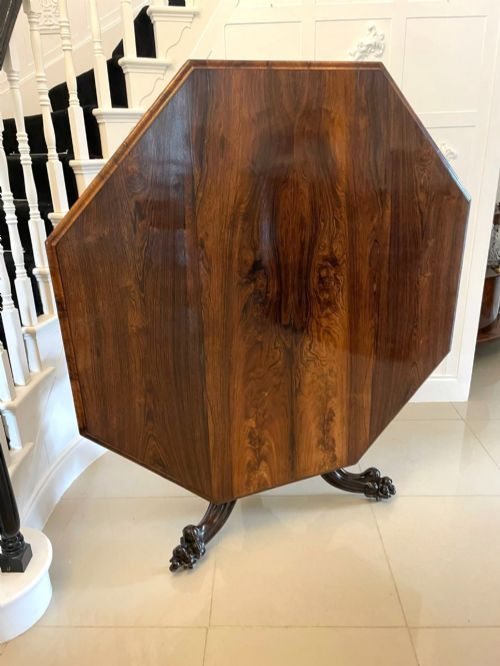
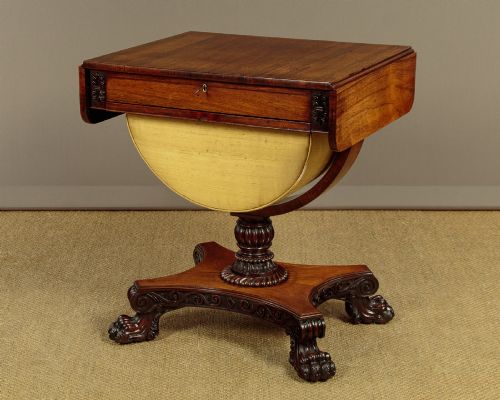
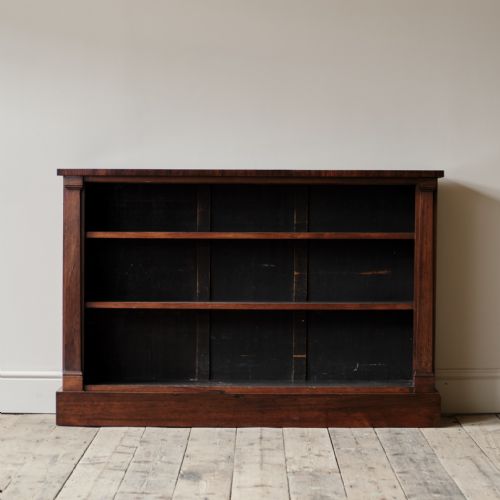
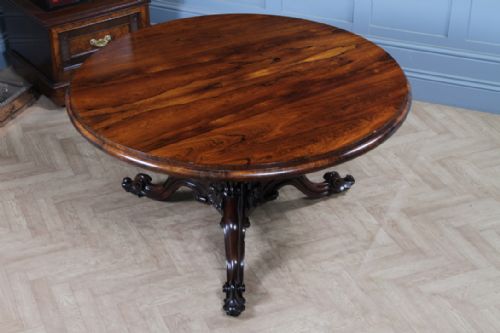
The objects represented on this page include side tables, open bookcases, round centre dining tables, chiffoniers, dining chairs, childs chairs, decanter tables, work boxes, whats and small cabinets. These forms reflect the functional requirements of domestic spaces during the 1840 era and adjacent periods.
Originating predominantly from the nineteenth century, these pieces demonstrate the transition of cabinet making traditions. The selection balances larger dining furniture with smaller occasional items such as canterburys, jardiniere stands and shelving units.
What varies in quality
The standard of execution depends upon the precision of the carving, the selection of the rosewood grain and the integrity of the structural frame. Finer examples display crisp turning and cohesive stylistic execution across related sets of chairs or modular shelving.
Proportion and utility also distinguish different tiers of output, ranging from simpler utilitarian pieces to elaborate items featuring specialised forms like revolving book storage or tiered display sections.
Early Victorian Rosewood Furniture Retail Price Guide 2026
Typical asking prices for early victorian rosewood furniture among the pieces listed under this phrase on Sellingantiques today, from the lower quarter to the upper quarter. They describe what is for sale here now, not the wider market.
One tiny childs chair survives complete with buttoned leather and a carved frame.
Holland & Sons·Thomas King
The Early Victorian Rosewood Furniture Glossary
- Rosewood
- A heavy, dense tropical timber prized for its dark colour and striking grain figure. It forms the primary surface of these nineteenth century pieces.
- Chiffonier
- A low sideboard cabinet enclosed by doors, often featuring shelving or a mirror superstructure above. It served for storing glassware and serving food.
- Canterbury
- A low stand fitted with partitions for holding sheet music, books or portfolios. It typically includes carrying handles and small castor feet.
- Jardiniere stand
- A tall decorative table or pedestal designed to hold plants or floral arrangements. These stands frequently incorporate turned wooden stems.
- Tilt top
- A table mechanism allowing the circular top to pivot into a vertical position when not in use. This feature saved floor space in smaller nineteenth century rooms.
Early Victorian Rosewood Furniture: Frequently Asked Questions
What is a rosewood chiffonier?
A rosewood chiffonier is a low enclosed cabinet designed for nineteenth century dining rooms and parlours. It provides concealed storage space beneath a surface top.
Such pieces often incorporate interior shelving and low panelled doors constructed from solid rosewood timber.
How do I identify early victorian furniture?
Early victorian pieces bridge late regency and mid nineteenth century aesthetics, using dense rosewood and traditional joinery. Carved and turned elements appear frequently across chairs and tables.
Stylistic crossover remains common, with pieces occasionally displaying gothic revival details or remnants of earlier george iv proportions.
How were canterburys used?
Canterburys functioned as movable stands for holding sheet music, books and writing materials near seating areas. Their partitioned sections kept unbound folios upright.
Cabinet makers equipped them with low wheels or castors for easy repositioning across carpeted floors.