


Early Victorian Pedestals
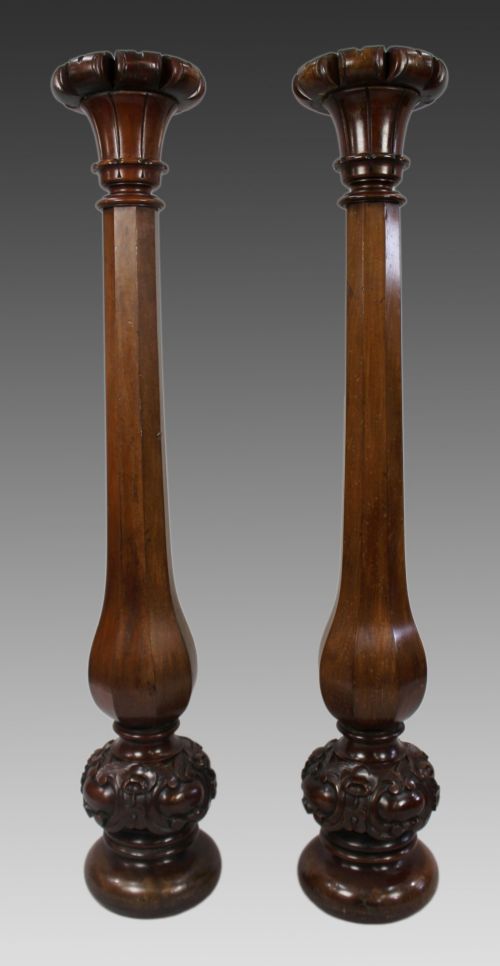
Early victorian pedestals are structural supports and columnar furniture bases that bring nineteenth-century architectural dignity to domestic interiors.
Early Victorian Pedestals
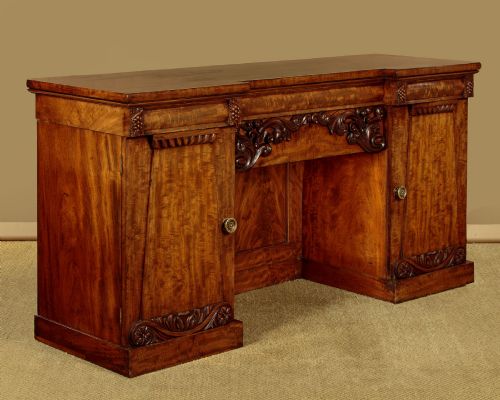
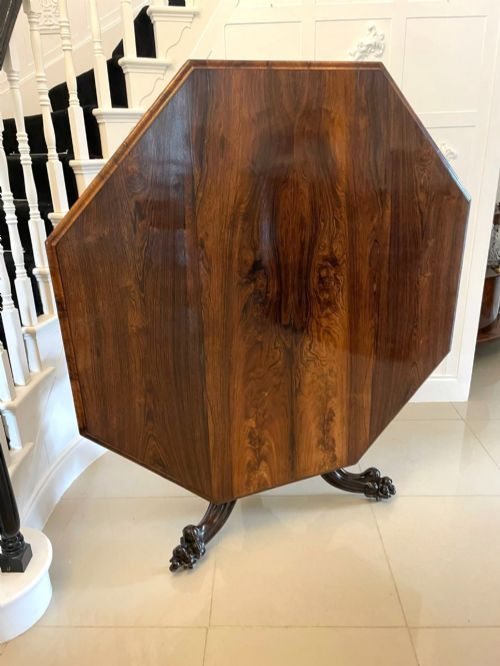
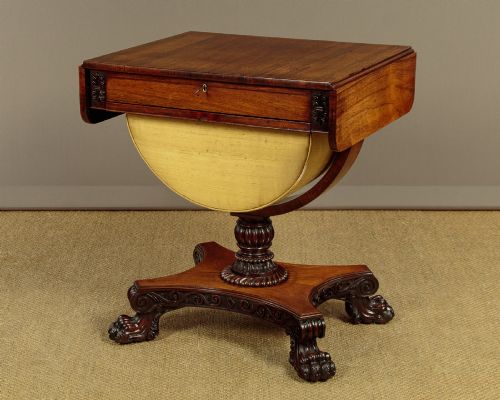
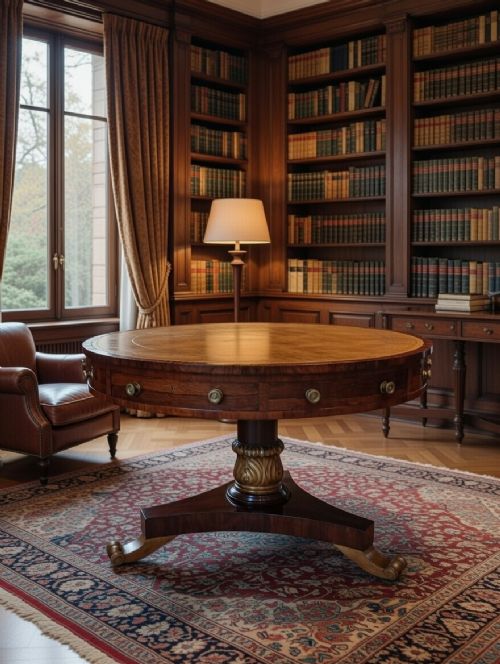
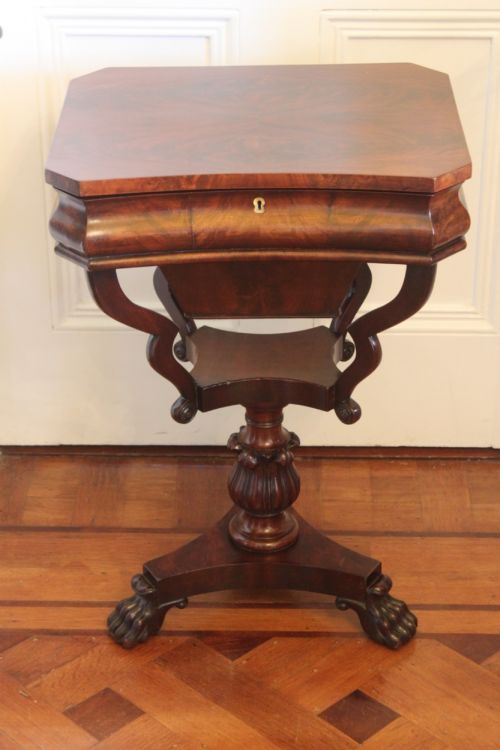
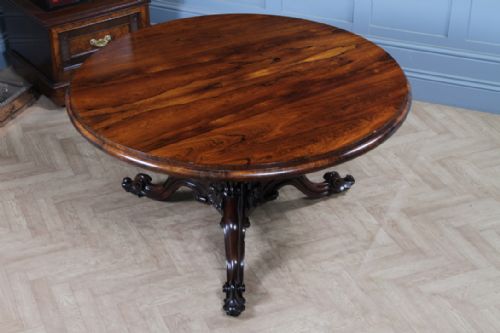
When buyers search for early victorian pedestals, they encounter heavy timber supports and pillar-based furniture forms originating from the nineteenth century. The selection on this page predominantly includes mahogany and rosewood tables, sideboards, and cabinets built around central or flanking column structures.
Makers of this period adapted classical architectural vocabulary for domestic use, producing substantial sideboards, gaming tables, and desks supported by solid timber pillars. These pieces reflect the robust joinery and formal proportions favoured by cabinetmakers working during the early victorian decades.
Materials and construction
Cabinetmakers constructed these supports primarily from solid mahogany, rosewood, and flame mahogany veneers applied to stable secondary timbers. Selected grain patterns provided visual depth, particularly on circular tabletops, cabinet doors, and cylindrical pillar shafts.
Joinery relied on traditional mortise and tenon framing, augmented by turned and carved wooden elements fixed to heavy plinth bases. Brass fittings and leather inserts occasionally supplemented the timber construction on desks and games tables.
Several items include metamorphic reading actions and swivel tops, proving nineteenth-century Victorians loved furniture that transformed.
Distinctions in craftsmanship
Quality separates pieces through the selection of timber veneers and the crispness of carved wooden details. Finer examples display symmetrical flame mahogany or burr walnut figuring without heavy patching or mismatched grain lines.
Structural integrity and the retention of original turning on the central columns define the upper tier of survivals. Well-executed joints and stable plinth bases ensure the heavy upright forms remain balanced and plumb.
Gillows
The Early Victorian Pedestals Glossary
- Flame mahogany
- A veneer cut from timber fork where branches meet the main trunk, producing a distinctive flickering flame pattern. This decorative wood was frequently utilised on prominent surfaces of early victorian furniture.
- Rosewood
- A dense, dark tropical hardwood valued for its rich colour and heavy weight. It appears commonly on dining tables and card tables from this period.
- Pembroke table
- A small rectangular table with hinged drop flaps on opposing sides. These versatile items often feature single or double drawer units supported by central pillars or four legs.
- Kneehole desk
- A compact writing desk featuring a central recess for the user's legs, flanked by pedestals containing drawers. They provide organised workspace while maintaining a formal architectural facade.
- Torchere
- A tall stand or pedestal designed to support a candle, lamp, or decorative urn. These vertical furnishings elevate lighting sources above floor level.
Early Victorian Pedestals: Frequently Asked Questions
What woods were used for early victorian pedestals?
Makers relied heavily on mahogany, flame mahogany, and rosewood for structural elements and decorative surfaces. Burr walnut also appears on select fine pieces from the era.
Timbers were chosen for both durability and visual grain pattern, with veneers carefully matched across tabletops and cabinet doors.
How do I identify early victorian furniture?
Look for robust proportions, classical architectural motifs, and dark dense timbers such as mahogany and rosewood. Construction methods combine heavy turned pillars with traditional joinery.
Stylistic overlaps with late regency and william iv periods are common, showing restrained ornamentation before mid-century elaboration.
Where were pedestals placed in a home?
These supports and pillar-based forms stood in principal reception rooms, libraries, and dining spaces. They anchored large centre tables, sideboards, and lampstands.
Their substantial weight helped stabilise heavy tilt-top dining tables and large writing desks during daily domestic use.
Are these pieces made of solid wood?
Construction typically combines solid timber frames with high-quality veneers applied to stable secondary woods. Flame mahogany and burr walnut were routinely sliced into thin leaves to display dramatic grain figures.
Structural pillars and feet were generally turned from solid sections of mahogany or rosewood to bear considerable weight.