
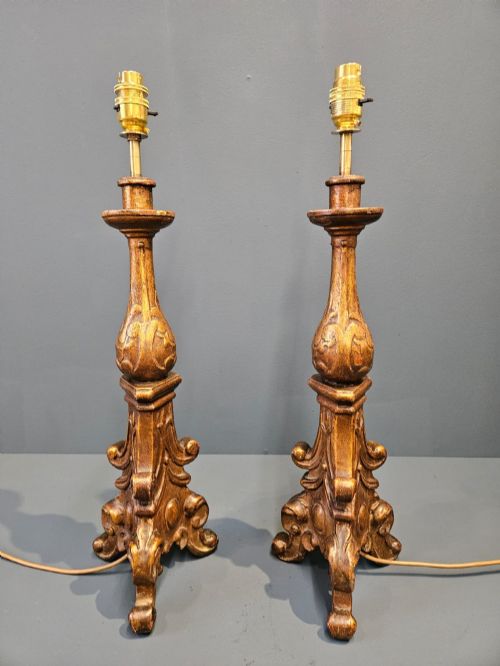


Classical Wooden Columns
Classical wooden columns bring sculptural presence and architectural authority to an interior, functioning as pedestals, lamps and structural salvage.
Classical Wooden Columns
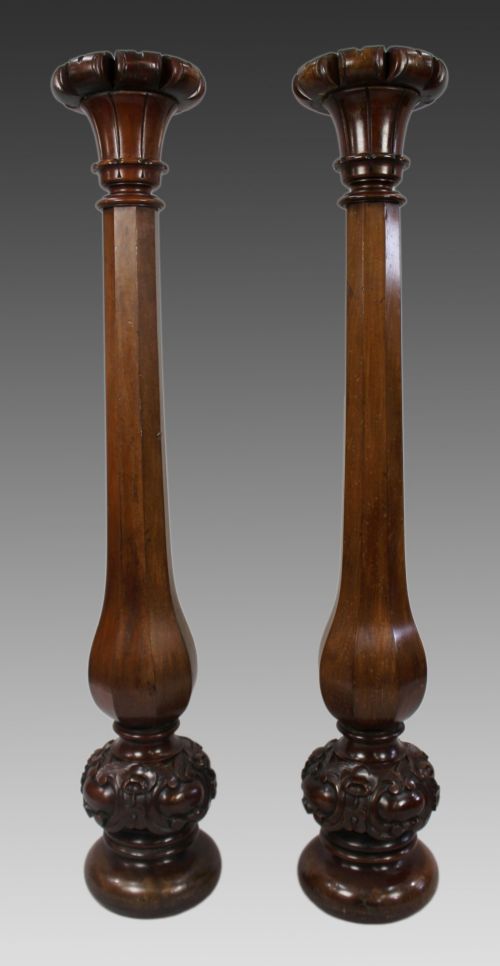
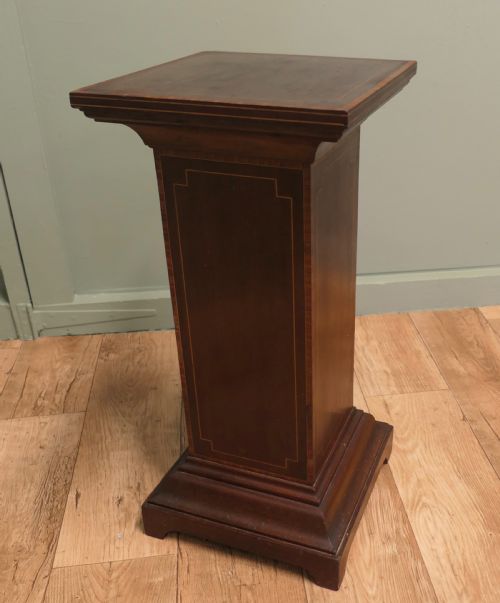
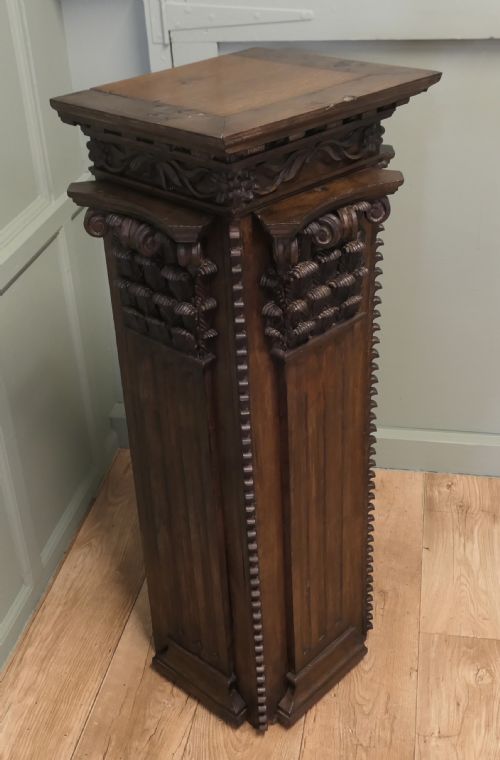
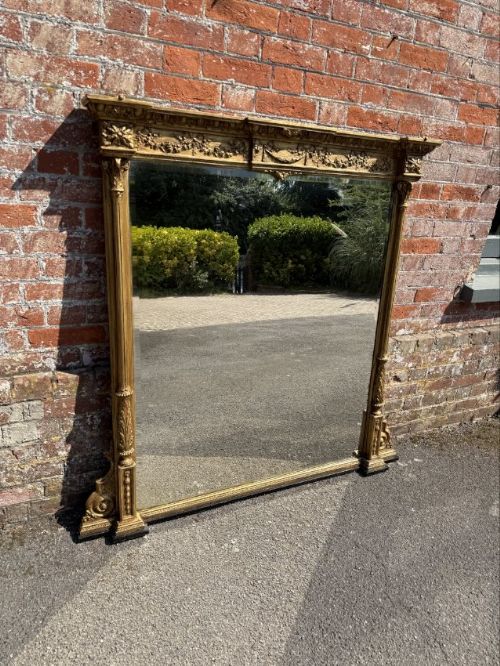
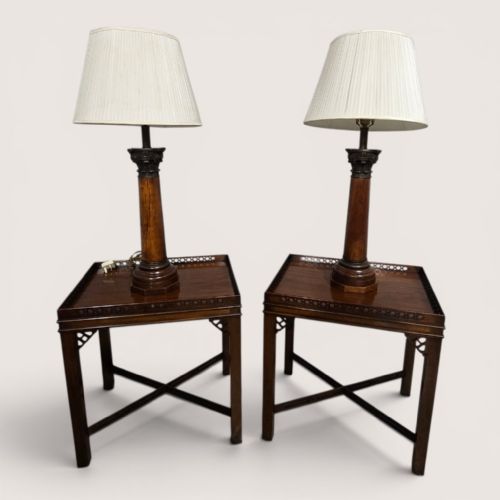
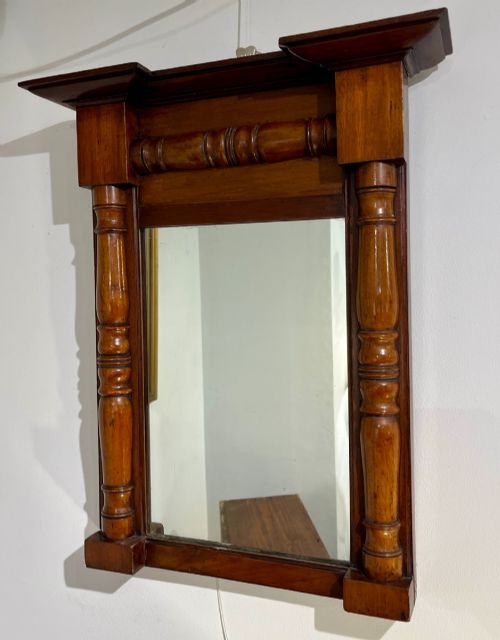
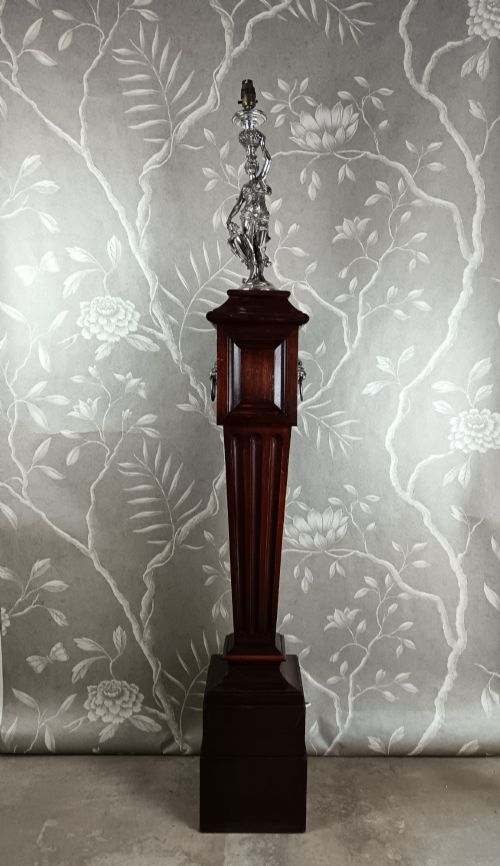
When you search for classical wooden columns, you encounter a selection spanning the eighteenth, nineteenth and early twentieth centuries. These pieces manifest primarily as display pedestals, torcheres, architectural salvage, lamps and overmantle mirrors drawing on classical orders.
The objects on this page lean heavily toward nineteenth-century Victorian and French works, alongside Georgian and early twentieth-century revivals. Many items function to elevate sculpture, lighting or decorative objects within a room.
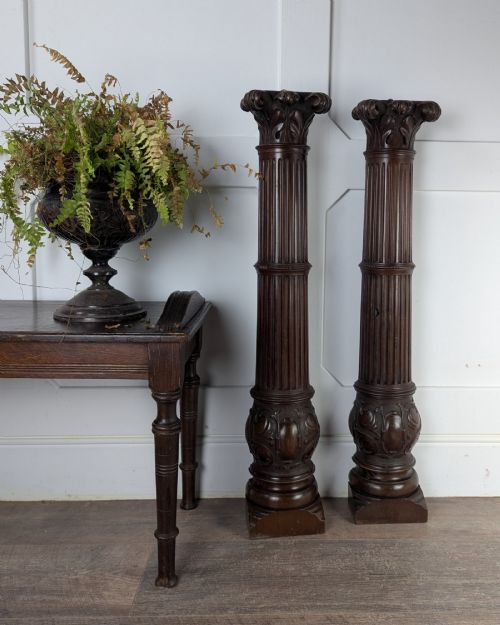
Forms range from half columns and spiral pillars to freestanding display columns and painted architectural elements. Walnut, mahogany, oak and birch provide the primary wooden foundations for these works.
Materials and Technique
Makers utilised dense timbers such as mahogany, oak, walnut and birch, often turning them on large lathes to achieve the cylindrical form of the shaft. Carved wood details, including acanthus leaves and fluting, were executed by hand on capitals and bases.
Surfaces frequently received decorative treatments including gesso, gold leaf, paint, grain painting or a clear polish to highlight the natural grain of the wood. Brass and bronze elements occasionally appear as mounts, capitals or torchere fittings.
One unexpected survival is a timber column featuring a built-in desk clock embedded right in the wood.
Quality Variations
The distinction between ordinary and exceptional pieces rests upon the crispness of the hand carving on capitals and the quality of the timber selection. Finely figured mahogany, birch or walnut displays a depth of grain that plain secondary woods simply lack.
Surface finish dictates much of the character, distinguishing untouched original gilding, paint or polish from later interventions. Proportional balance across the base, shaft and capital separates masterful architectural pieces from simpler turned posts.
The Classical Wooden Columns Glossary
- Capital
- The uppermost member of a column, typically decorated with carved foliage or scrolls in styles such as Corinthian or Ionic.
- Torchere
- A tall stand or pedestal designed to support a lamp, candle or small sculpture, often highly carved and gilded.
- Pedestal
- A freestanding upright support used to display art, vessels or clocks, taking cylindrical or square forms.
- Gesso
- A plaster-like mixture applied to wood surfaces as a smooth base for subsequent gilding or painting.
- Reeded
- Decorated with parallel convex mouldings running vertically along the shaft of a column.
Classical Wooden Columns: Frequently Asked Questions
How were classical wooden columns used?
These pieces served historically as structural supports or decorative display platforms for sculpture, urns and lamps in grand interiors.
Today, collectors use freestanding columns and pedestals to elevate art objects, while architectural elements are integrated into room schemes for historic character.
How do I identify the period of a column?
Dating relies on timber choice, turning techniques and surface treatments such as period gesso, gilt and grain painting.
Eighteenth-century examples often display walnut or early painted finishes, whereas Victorian and Edwardian pieces frequently utilise mahogany, oak or birch with revival detailing.
Can these columns support heavy weight?
Solid hardwood columns and architectural salvage pieces were engineered to bear substantial loads in their original structural contexts.
Display pedestals vary in internal construction, so checking the top surface area and core stability is sensible before placing heavy bronze or stone sculpture.