

Early Twentieth Century Art
Early twentieth century art captures a period of shifting visual languages, bridging traditional academic modes and emerging modernist movements across paintings, sculptures and decorative objects.
Early Twentieth Century Art
Early twentieth century art encompasses works produced during the Edwardian era, the First World War and the interwar decades up to the mid-century. A buyer exploring this category encounters oil paintings, watercolours, bronzes, wood carvings and posters spanning British Impressionism, Post-Impressionism, Art Nouveau and Art Deco styles.
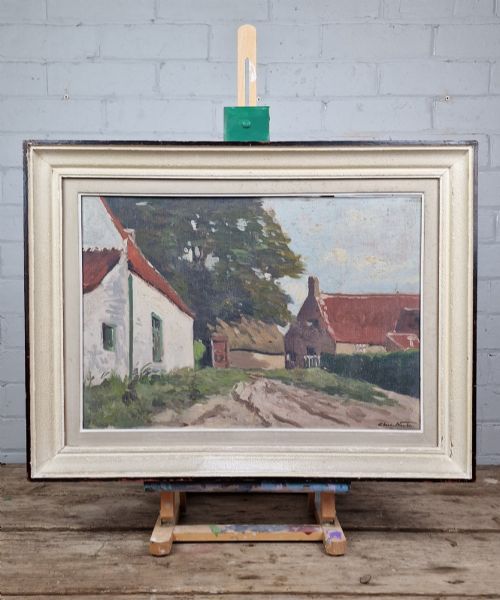
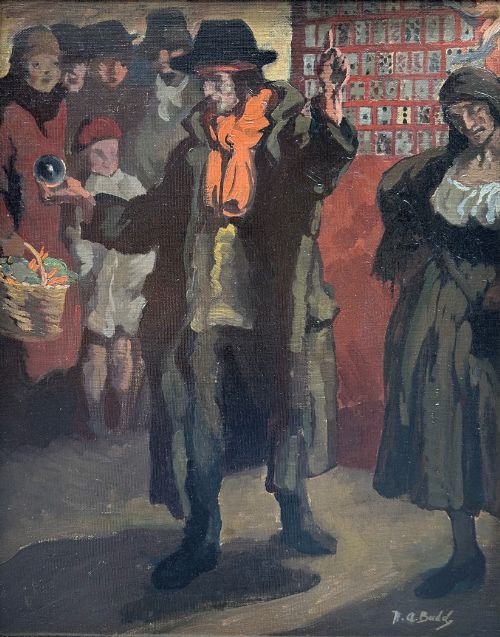
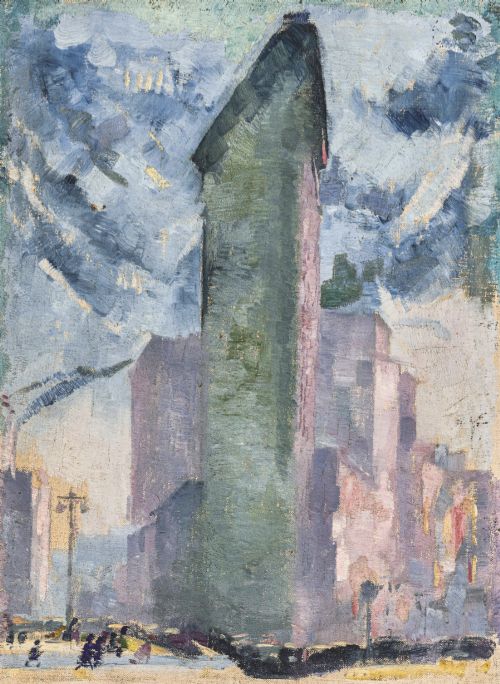
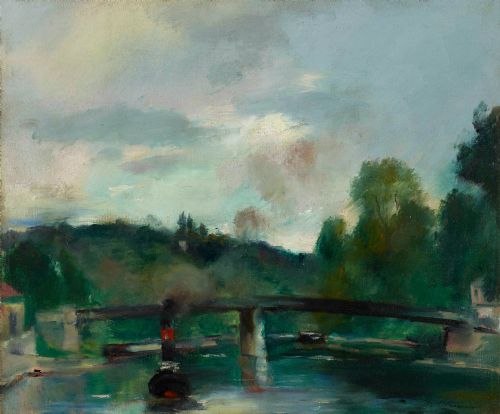
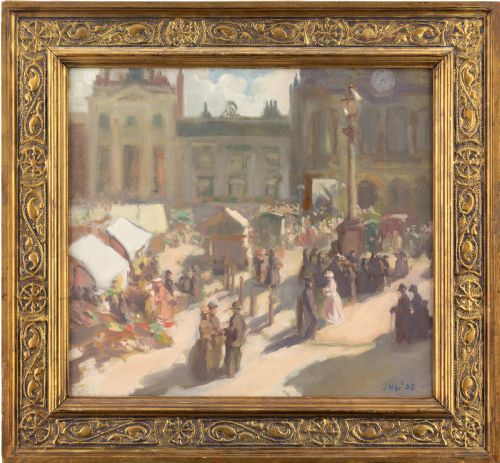
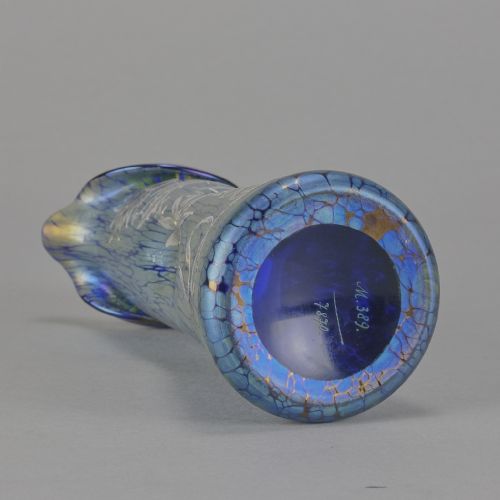
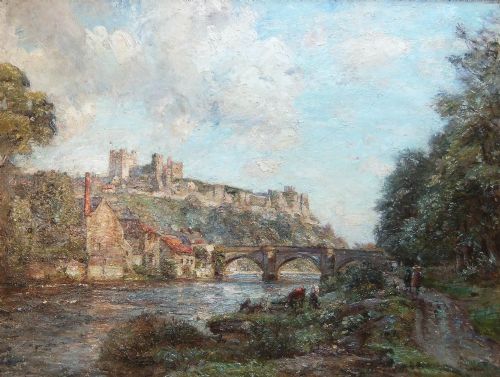
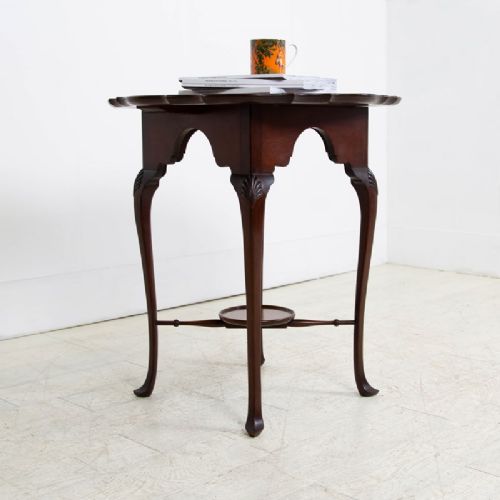
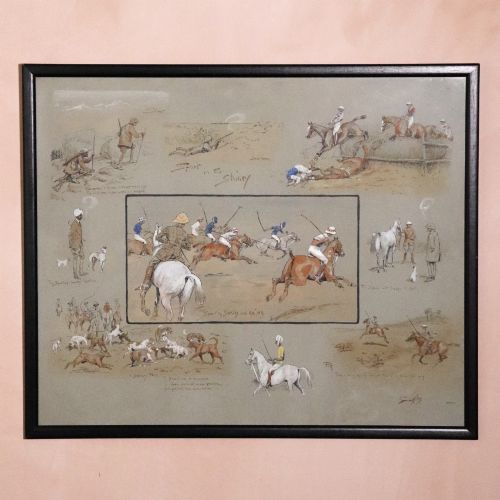
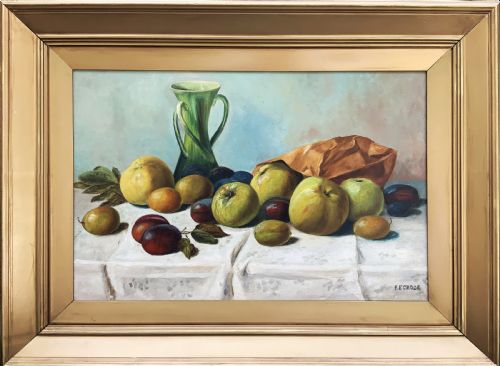
The selections on this page lean heavily towards oil paintings on canvas or board, alongside framed prints, illustrated book pages and sculptural works in bronze, wood and ivory. Regional landscapes, portraits and genre scenes dominate the pictorial works, while decorative items include art glass, clocks and carved furniture.
Materials and Construction
Pigments applied in oil or watercolour on canvas, paper and wood panels form the foundation of the pictorial works in this inventory. Traditional framing methods, stretching frames and board mountings support these painted surfaces.
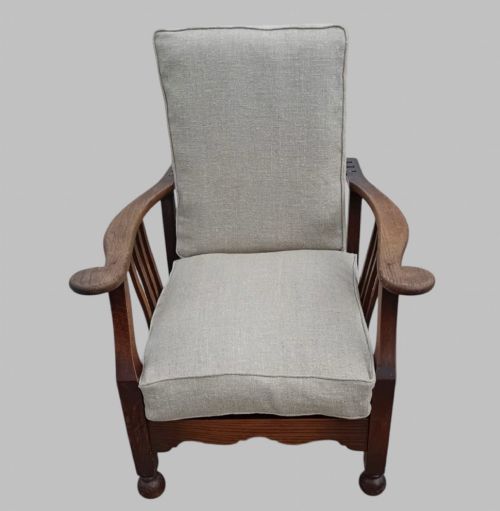
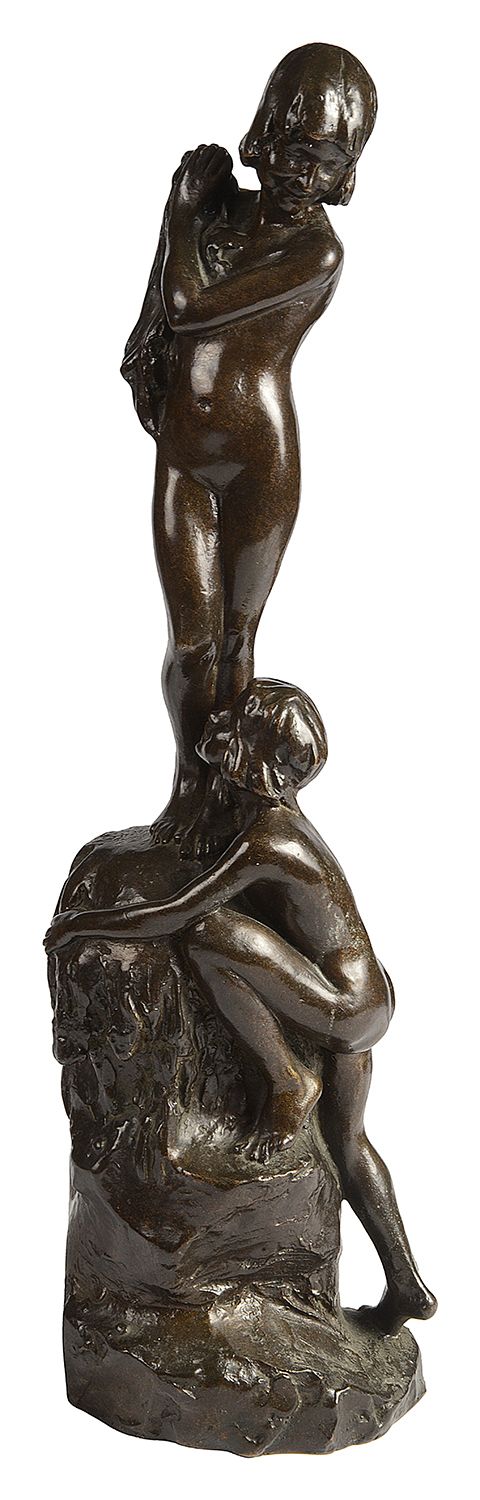
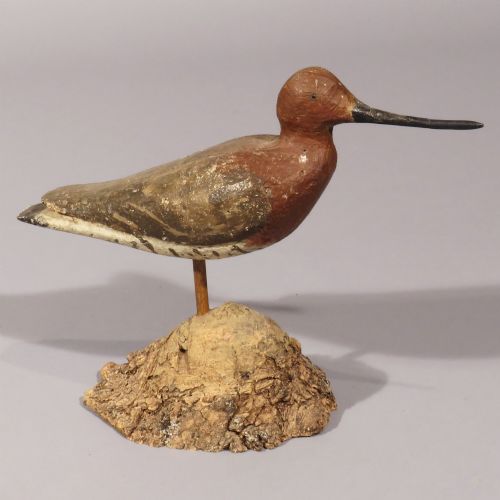
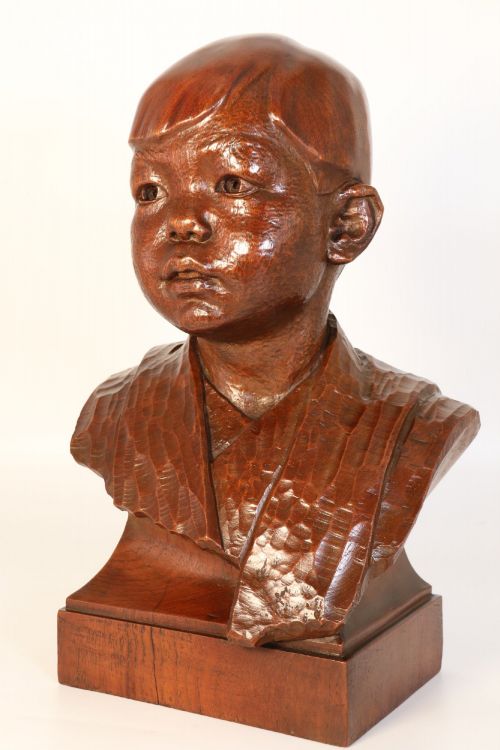
Sculptural and decorative pieces utilise cast bronze, carved walnut and oak, hand-blown glass with metallic treatments, and embroidered textiles. Brass and iron work similarly reflect the period's manufacturing methods, combining hand-finishing with industrial components.
Early Twentieth Century Art Retail Price Guide 2026
Typical asking prices for early twentieth century art among the pieces listed under this phrase on Sellingantiques today, from the lower quarter to the upper quarter. They describe what is for sale here now, not the wider market.
Listings include oil paintings on canvas and wood panel, watercolours, bronzes, carved wooden busts, textiles and clocks.
Factors of Distinction
Quality in these pieces rests upon the surety of the artist's hand, the harmony of composition and the integrity of the materials utilised. A strong oil painting or bronze sculpture demonstrates confident execution and distinct character rather than mere technical mimicry of a style.
Condition and originality play a significant part in distinguishing superior examples. Untouched surfaces on wood and canvas, original patination on bronzes, and authentic period framing elevate an object's standing within the category.
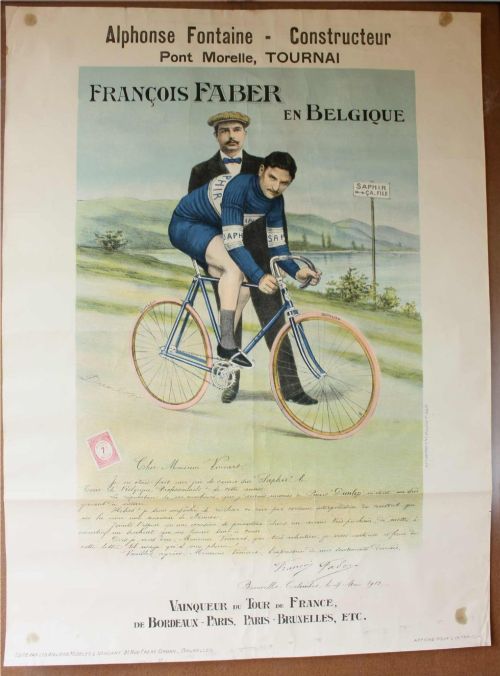
Thomas Ellison·E A Clapp·Francois Faber·Charles Houben·Herbert Ashwin Budd·Alfred Wolmark·Henri Ottmann·John Hodgson Lobley·Loetz Witwe·Herbert Royle·Shapland and Petter·George Henry Paulin·Warwick Goble·Antoine Calbet·Sir David Murray·Friedrich von Kaulbach·Camerer Cuss And Co·Jules Rambo·Gotthilf Jaeger·J D Fergusson·William Grant Murray·Franz Keller·Florence Hess·Paul Schier·Andrew Young
The Early Twentieth Century Art Glossary
- Post-Impressionism
- A predominantly French art movement that developed roughly between 1886 and 1905, extending Impressionism while rejecting its limitations. Artists prioritised symbolic content, formal order and expressive brushwork.
- Art Nouveau
- An international style of art, architecture and applied art popular around the turn of the twentieth century. It is characterised by asymmetrical organic lines, inspired by natural forms such as plants and flowers.
- Impressionism
- A nineteenth-century art movement characterised by relatively small, thin, yet visible brush strokes and an open composition. Emphasis rests on accurate depiction of light and its changing qualities.
- Edwardian
- Pertaining to the reign of King Edward VII, spanning from 1901 to 1910, often extended informally to encompass the period up to the outbreak of the First World War. Visual culture from this era often balanced ornate traditionalism with early signs of modernism.
Early Twentieth Century Art: Frequently Asked Questions
What defines early twentieth century art?
This category spans works created between 1900 and the 1950s, capturing the transition from late Victorian and Edwardian traditions into early modernist movements.
The inventory reflects this through regional oil paintings, watercolours, bronzes and decorative objects representing styles like Post-Impressionism, Art Nouveau and Art Deco.
How do I identify a period painting?
Examination of the canvas, board, stretcher frames and framing materials often provides primary clues to a work's age. Pigment analysis, artist signatures and stylistic traits matching documented output further confirm the period.
Comparing brushwork and subject matter against known examples by the artist or school aids in accurate dating.
Where were these art pieces made?
The pieces originate from workshops, studios and foundries across Britain, France, Belgium, Austria, Japan and beyond. Artists and makers travelled widely, absorbing continental techniques that influenced domestic production.
This geographic spread accounts for the varied stylistic approaches found within the same decade.
How should I care for oil paintings and bronzes?
Oil paintings on canvas or board require stable indoor humidity away from direct sunlight and heat sources to prevent cracking or warping. Gentle dusting with a soft, dry brush maintains the surface.
Bronze sculptures benefit from occasional dusting and the avoidance of chemical polishes that strip original patination.