



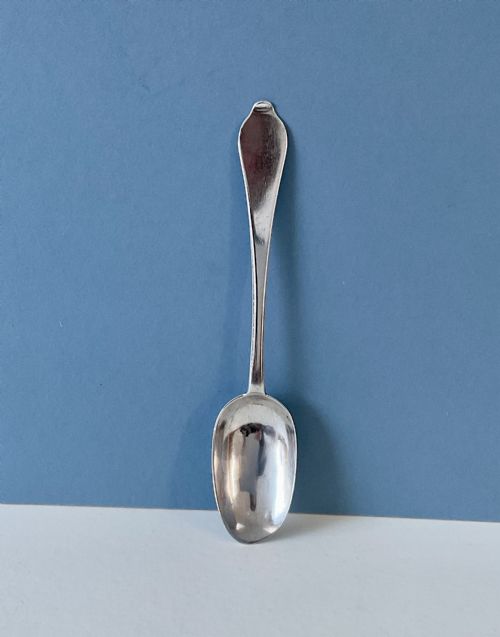

Early Silver Spoon
An early silver spoon brings tactile history to the table, connecting you directly to centuries of dining and domestic ritual.
Early Silver Spoon
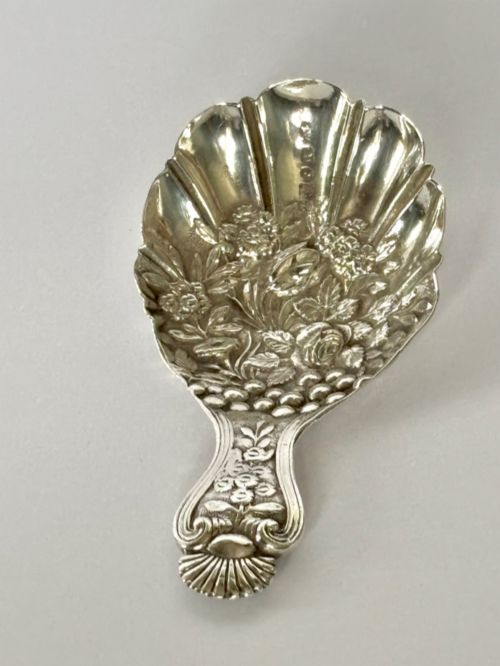
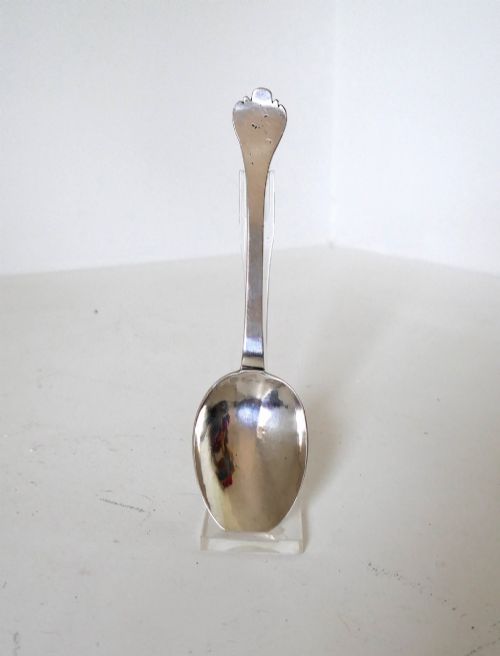
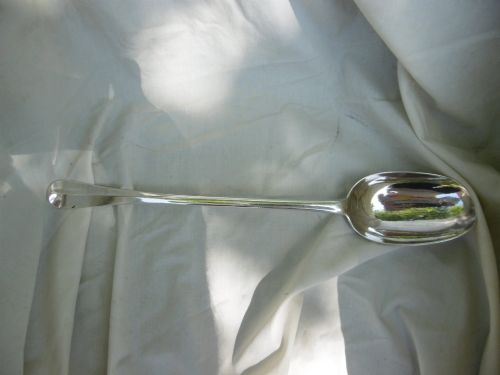
An early silver spoon spans several distinct eras, encompassing forms like slip tops, seal tops, trefids, dognose tablespoons, and caddy spoons. You will encounter pieces ranging from seventeenth-century Commonwealth and Restoration types through Queen Anne, Georgian, and Victorian iterations.
Materials and construction
Silversmiths shaped these pieces predominantly from sterling silver, Britannia silver, and silver gilt, occasionally combining metal with wood or enamel. Hammering, casting, and hand-engraving defined the fabrication process.
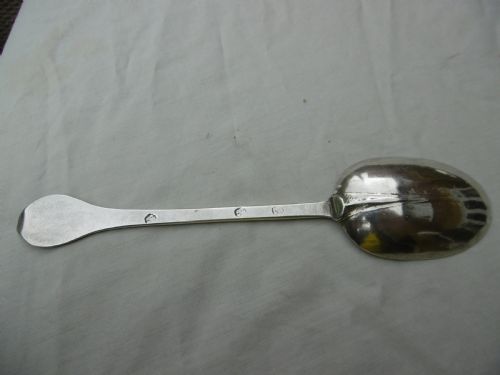
Early methods relied heavily on master smiths working raw bullion into bowls and stems by hand. Maker marks, leopard heads, and date letters were punched directly into the metal to certify purity and origin.
Early Silver Spoon Retail Price Guide 2026
Typical asking prices for early silver spoon among the pieces listed under this phrase on Sellingantiques today, from the lower quarter to the upper quarter. They describe what is for sale here now, not the wider market.
Listings feature silver objects spanning the seventeenth century through the Edwardian period, incorporating materials like enamel, wood, and silver gilt alongside sterling.
Assessing quality and retention
The distinction between average and exceptional pieces rests in the clarity of hallmarks, the crispness of chased or engraved details like lace patterns and crests, and the preservation of the original bowl shape. Heavy wear from centuries of use or aggressive polishing can thin the silver bowl and soften terminal figures.
Original provenance and maker attribution elevate certain examples significantly. Pieces retaining clear maker stamps from notable provincial or metropolitan goldsmiths demonstrate superior archival value.
Joseph Willmore·Andrew Archer·Jerimiah Johnson·Jeremiah Lee·James Tait·Benjamin Prosser·David Andersen·Stephen Coleman·Lawrence Coles·Daniel Cary·J Ladyman·Peter Webb·Archibald Knox
The Early Silver Spoon Glossary
- Seal top
- A spoon featuring a flat, pineapple, or bust-shaped terminal resembling a signet seal, common in the sixteenth and seventeenth centuries.
- Trefid
- A late seventeenth-century spoon style with a lobed, three-cleft terminal and a flattened stem with a rattail down the back of the bowl.
- Dognose
- A transitional tablespoon style popular around the turn of the eighteenth century, featuring a notched, upturned terminal.
- Britannia silver
- A higher standard of silver purity introduced by statute in England, containing slightly more pure silver than standard sterling.
- Mote spoon
- A slender eighteenth-century spoon equipped with a pierced bowl and a pointed stem tip used for straining tea leaves.
Early Silver Spoon: Frequently Asked Questions
How do I clean an early silver spoon?
Wash gently in warm water with mild soap and dry immediately with a soft cloth to preserve the patina. Avoid harsh dips or abrasive polishes that can wear away ancient hallmarks.
Store pieces in tarnish-resistant cloth away from direct moisture and rubber materials. Proper handling protects both the metal surface and the engraved details accrued over centuries.
Are these spoons safe to use for dining?
Many seventeenth and eighteenth-century spoons remain structurally sound for occasional table use. However, delicate forms like mote spoons or heavily worn silver gilt pieces are better suited for display.
Inspect the bowl thickness and stem rigidity before use. Thinning from historical cleaning means some fragile items warrant preservation rather than daily handling.
What does a rattail mean?
A rattail is a tapering ridge of metal extending from the back of the spoon stem down the reverse of the bowl. It provided structural reinforcement during an era when handles were joined separately to bowls.
This feature appears frequently on seventeenth and early eighteenth-century spoons like trefids and dognoses. Its presence helps date the piece to specific transitional manufacturing periods.
How can I read the hallmarks?
Hallmarks typically include a maker mark, a purity standard mark, a town mark indicating the assay office, and a date letter. Magnification and a reference guide help decode these punches.
Partial or rubbed marks are common on surviving pieces due to centuries of use. Comparing punch shapes against known regional registers often clarifies ambiguous stamps.