


Early English Desk
An early english desk brings centuries of tactile writing history into a room, fashioned from solid timber and shaped by changing tastes in drawers, drops and writing surfaces.

Early English Desk
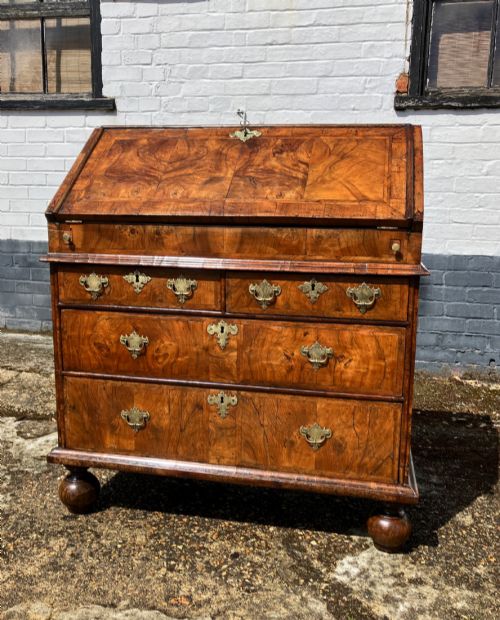
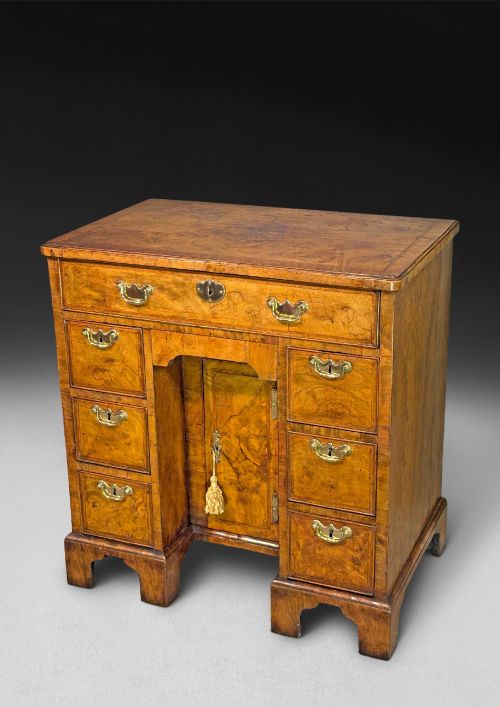
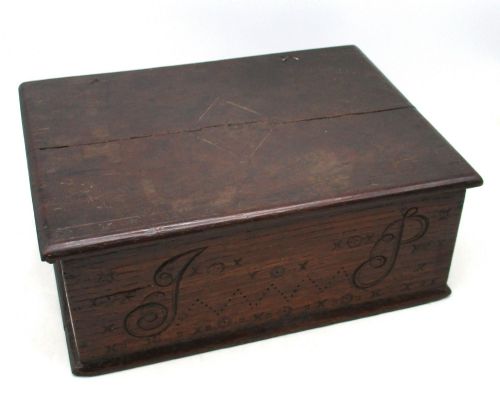
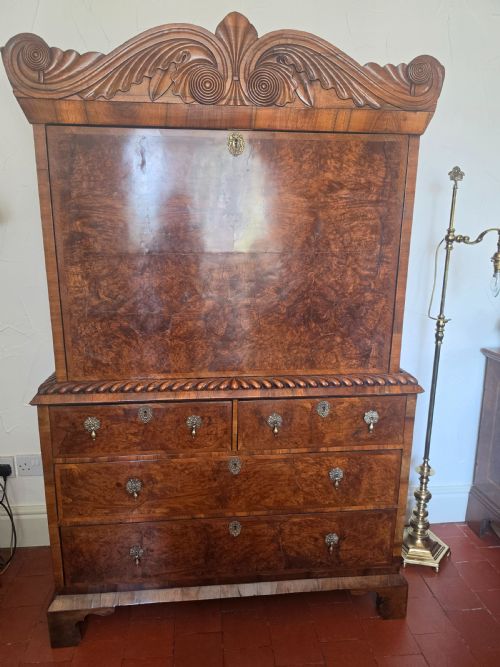
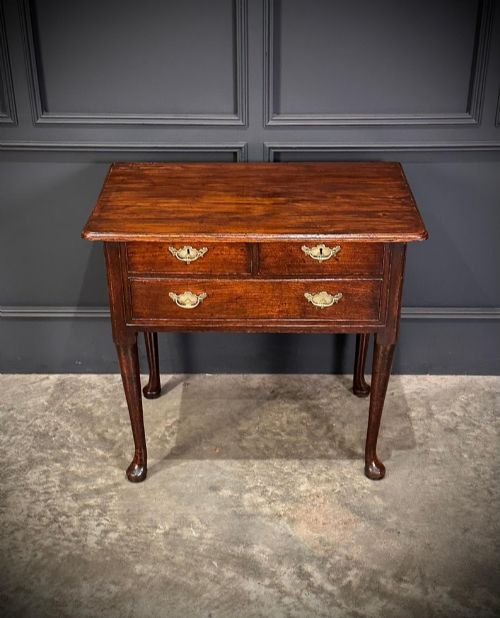
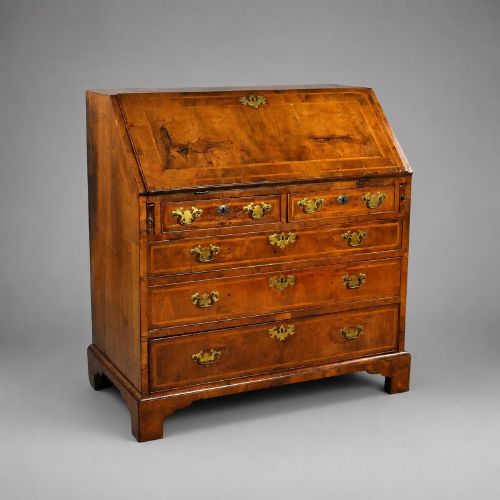
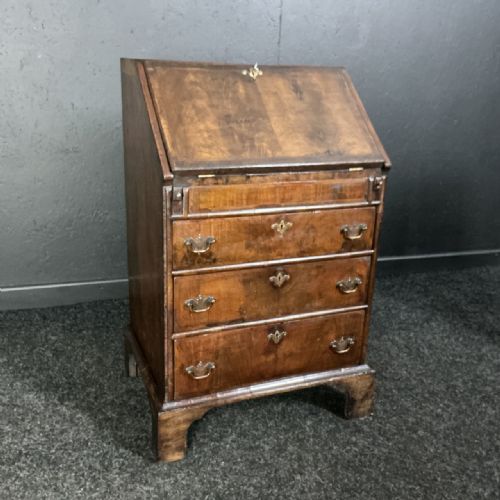
An early english desk encompasses forms designed for correspondence and storage, stretching from utilitarian boxes and lowboys to complex kneehole bureaux and tall escritoires. When searching this phrase, a buyer encounters pieces originating across the seventeenth, eighteenth, and nineteenth centuries, reflecting domestic workspace evolution.
The domestic workspace of past centuries relied heavily on compact writing chests, slope-front desks, and kneehole configurations placed in parlours and studies. Walnut and oak dominate these early formats, often featuring fitted internal drawers and pigeonholes designed for parchment and quills.
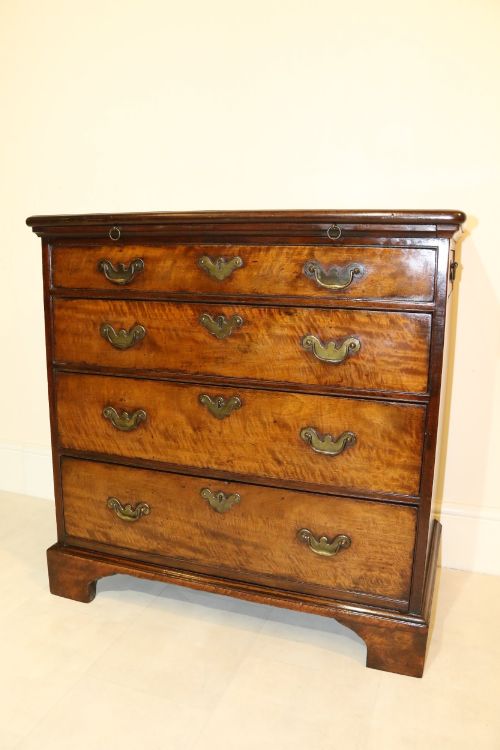
Beyond dedicated desks, related writing furniture such as lowboys and bachelor's chests appear frequently alongside boxes meant for documents and deeds. These pieces served multiple domestic functions, doubling as dressing surfaces or secure containers before dedicated study rooms became common.
How they were made
Cabinet makers utilised dense native hardwoods like oak, walnut, mahogany, and elm, often selecting figured veneer or burr walnut for principal visual surfaces. Construction relied on traditional joinery, dovetail drawers, and pegged framing to ensure structural integrity across centuries of use.
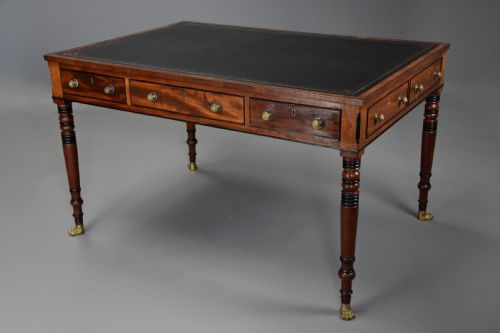
Metal components such as brass handles, escutcheons, and complex steel locks provide both functional security and decorative contrast against dark timber. Leather inserts occasionally furnish the writing surfaces of later nineteenth-century variations, matching the period preference for bound desktop panels.
Early English Desk Retail Price Guide 2026
Typical asking prices for early english desk among the pieces listed under this phrase on Sellingantiques today, from the lower quarter to the upper quarter. They describe what is for sale here now, not the wider market.
Several boxes retain intricate secret compartments designed to hide family secrets from inquisitive housemaids.
What varies in quality
The grade of an early english desk rests upon the selection of timber veneers, the retention of original hardware, and the subtlety of internal drawer configuration. Finely figured walnut and burr walnut demand exceptional skill in bookmatching, distinguishing master workshops from regional vernacular production.
Patina and surface preservation separate standard domestic survivals from examples retaining untouched original polish and brasses. Altered interiors, replaced handles, or later feet alter the integrity of the piece, shifting its character away from its seventeenth or eighteenth-century origins.
WAS Benson·Heals of London
The Early English Desk Glossary
- Bureau
- A sloping writing desk with a hinged flap, typically concealing a fitted interior of small drawers and pigeonholes above larger chest drawers.
- Kneehole desk
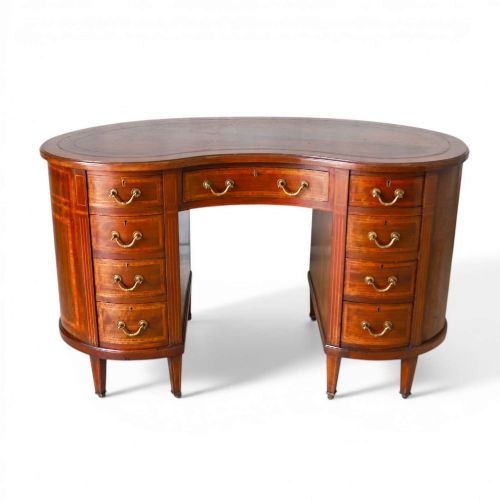
- A flat-topped desk featuring a central recessed space for the legs, flanked by pedestals of smaller drawers.
- Escritoire
- A tall upright writing cabinet with a fall-front desk section, often combining storage cupboards and book-shelving above.
- Lowboy
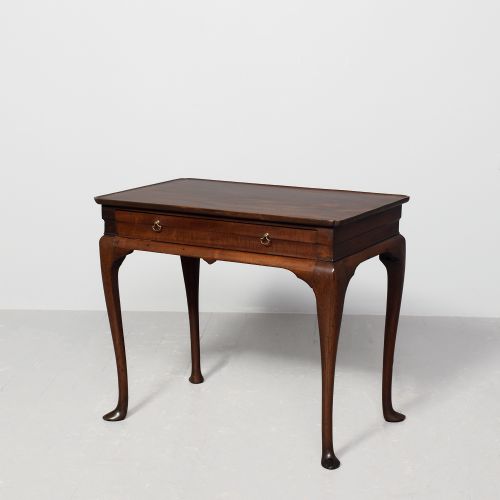
- A small low table with one or more rows of drawers, frequently utilised as a writing or dressing surface during the early eighteenth century.
- Patina
- The surface sheen and softening of colour acquired by timber through decades of handling, polishing, and natural oxidation.
Early English Desk: Frequently Asked Questions
What is a kneehole desk?
A kneehole desk is a compact form featuring a central recess for the sitter, flanked by stacks of smaller drawers.
First appearing prominently during the early Georgian period, these walnut or oak pieces provided organised storage for personal correspondence.
How do I date an oak desk?
Dating an oak piece relies on examining construction methods, timber grain, and hardware styles. Early seventeenth-century examples utilise pegged frames and hand-riven panels, predating the widespread adoption of dovetailing.
Secondary woods, lock mechanisms, and the presence of original brasses also help anchor the piece to specific periods like the reign of William and Mary or Queen Anne.
Where were early writing desks placed?
Early writing furniture stood in multi-use domestic spaces rather than dedicated studies. Rooms served for dining, sleeping, and receiving guests, making portable boxes and compact lowboys practical choices.
As centuries progressed, dedicated rooms for writing emerged, encouraging larger kneehole desks and bureau bookcases.