



Early English Country Furniture
Early english country furniture carries the honest grain of local ash, elm, and oak shaped by hands that worked for daily use.
Early English Country Furniture
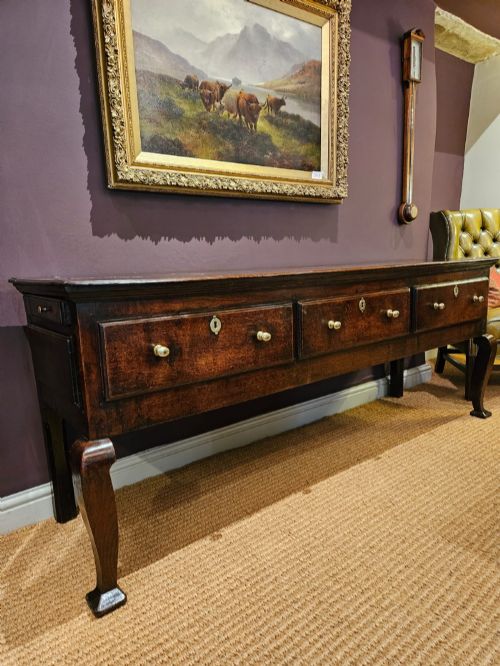
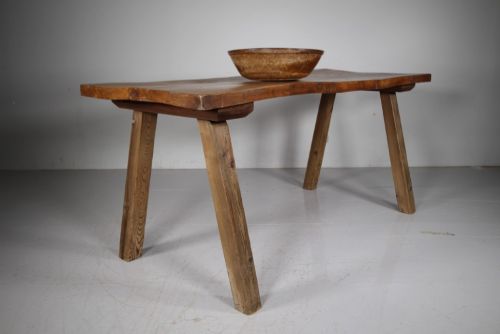
Early english country furniture comprises sturdy utilitarian pieces made outside metropolitan workshops from local timbers like oak, elm, and ash. These items served domestic needs in rural homes, cottages, and farmhouses across several centuries.
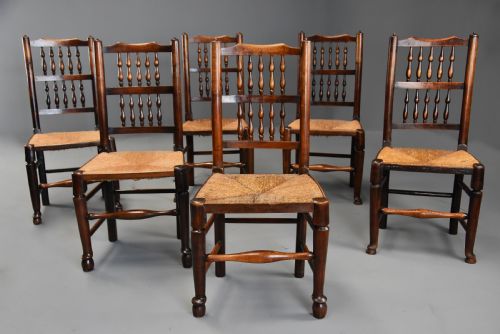
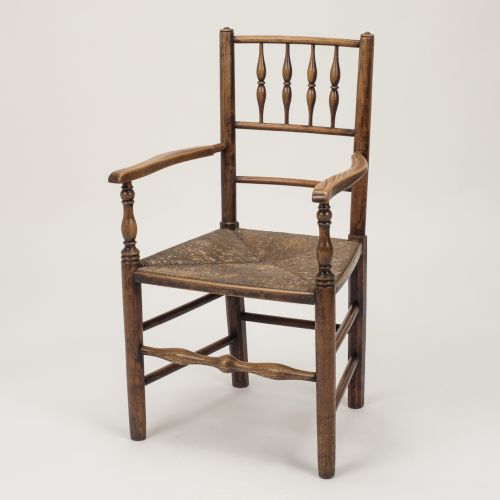
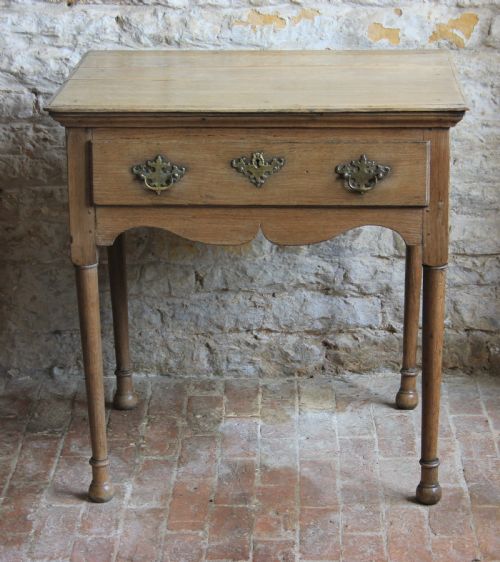
You will most frequently encounter seating and storage forms such as joint stools, lowboys, chests of drawers, and spindle-back chairs. The aesthetic prioritises practical construction over courtly ornament, reflecting regional traditions and available materials.
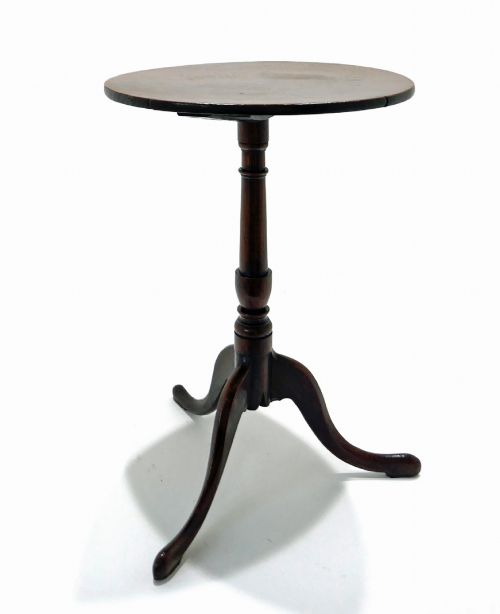
The surviving examples range from seventeenth-century joined pieces to nineteenth-century vernacular seating and dining tables. Each object demonstrates the straightforward construction methods used by provincial tradesmen before industrial standardisation.
Materials and construction methods
Makers relied heavily on native hardwoods, combining oak for structural framing with elm for seats and ash for turned spindles. Fruitwood and pine also appear in specific elements, while rush provides seating material for armchairs.
Joinery techniques like mortise and tenon joints secured heavy frameworks without complex metal fasteners. Turning lathes shaped uprights and legs, while iron and brass hardware appeared mainly where hinges or handles were strictly necessary.
Early English Country Furniture Retail Price Guide 2026
Typical asking prices for early english country furniture among the pieces listed under this phrase on Sellingantiques today, from the lower quarter to the upper quarter. They describe what is for sale here now, not the wider market.
Listings feature periods spanning from the seventeenth to the nineteenth century, including oak, elm, ash, and fruitwood.
Assessing quality in provincial pieces
Quality rests in the integrity of the original timber and the restraint of subsequent repairs or surface stripping. Pieces retaining an unpolished, tactile surface with natural wear show greater fidelity to their working origins.
Proportion and the intelligent selection of timber distinguish superior regional work from heavier, purely utilitarian output. The balance between sturdy construction and refined turning separates workshop output from basic domestic carpentry.
The Early English Country Furniture Glossary
- Joint stool
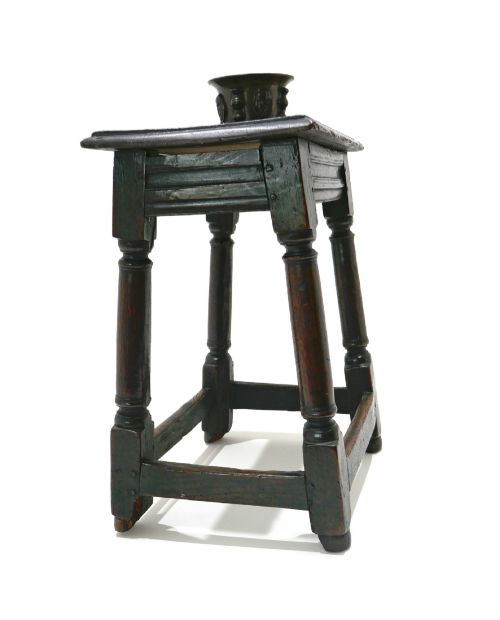
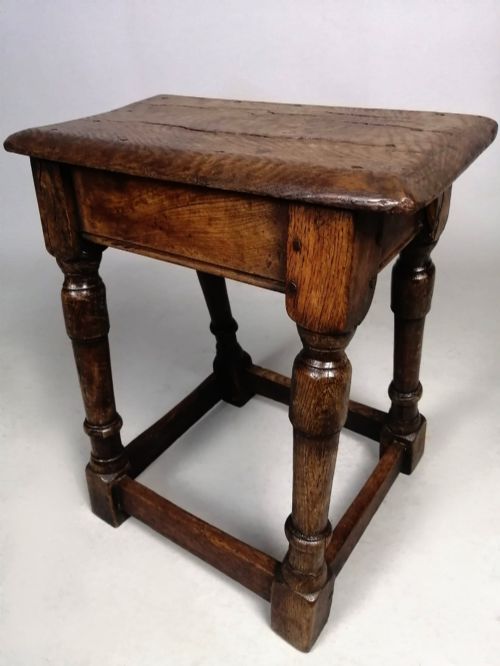
- A sturdy wooden stool constructed with mortise and tenon joints rather than turned legs inserted into a seat. These items served multiple household purposes in early rooms.
- Lowboy
- A small table with drawers, typically raised on four legs, used in domestic interiors for storage or as a dressing table. They frequently appear in pale oak.
- Spindle back
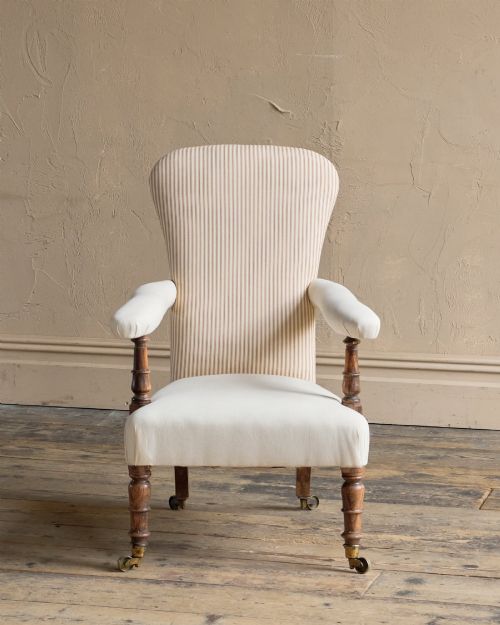
- A chair back constructed with vertical turned wooden rods supporting the top rail. This lighter framing method became common in nineteenth-century country seating.
- Settle
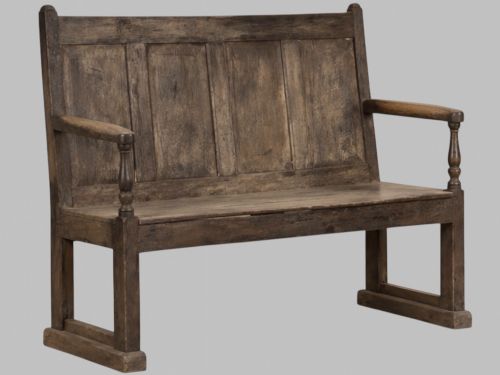
- A high-backed wooden bench with solid sides designed to block drafts in domestic halls. Storage boxes were frequently integrated beneath the seat.
- Vernacular
- Architecture and furniture design rooted in local traditions and practical needs rather than academic architectural styles. These objects utilise regional materials and methods.
Early English Country Furniture: Frequently Asked Questions
What defines early english country furniture?
These pieces are defined by their provincial origin, local timber construction, and practical domestic function.
They lack the elaborate veneers and courtly styling of urban metropolitan furniture, favouring honest construction instead.
How should I clean my oak furniture?
Dust surfaces regularly with a dry cloth and avoid modern silicon polishes or harsh chemical cleaners.
Traditional wax can be applied sparingly to nourish dry timber and preserve the historic surface finish.
Where were these pieces originally used?
Rural households, farmhouses, and country cottages utilised these sturdy items for daily dining, seating, and storage.
Their robust construction was intended to withstand heavy domestic use over generations.
How do I date a country piece?
Dating relies on examining the tool marks, joinery methods, timber species, and overall structural form.
Changes in turning styles and hardware across the seventeenth, eighteenth, and nineteenth centuries provide key chronological clues.