




Early English Clock
An early english clock brings centuries of mechanical history into a room, offering the steady tick of brass and timber built to last.
Early English Clock
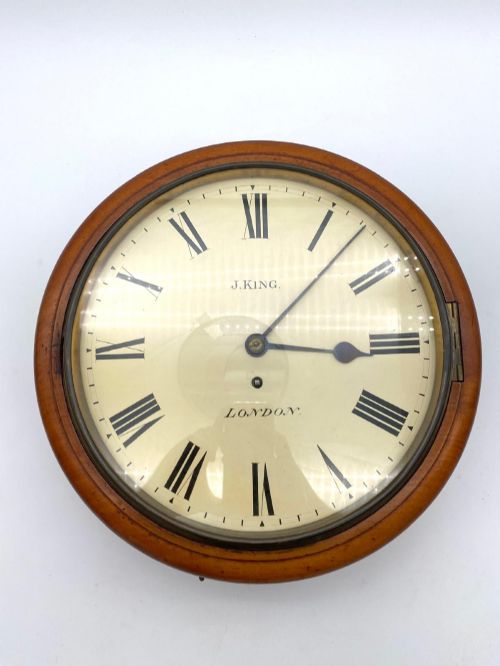
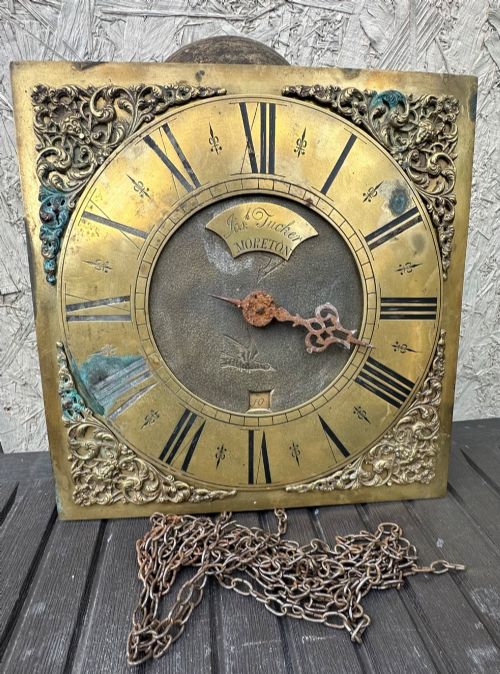
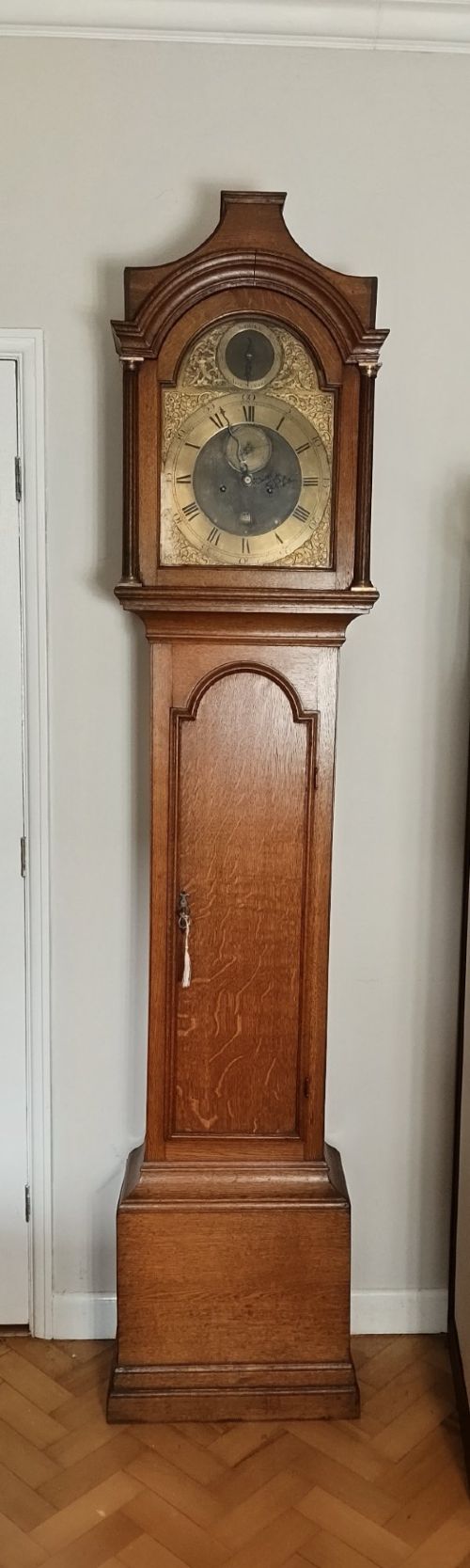
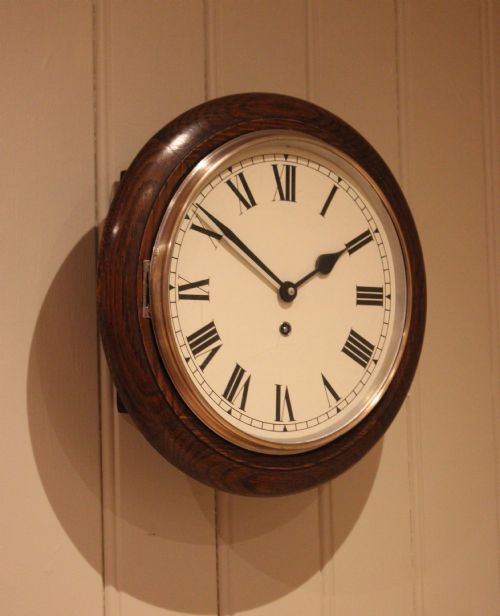
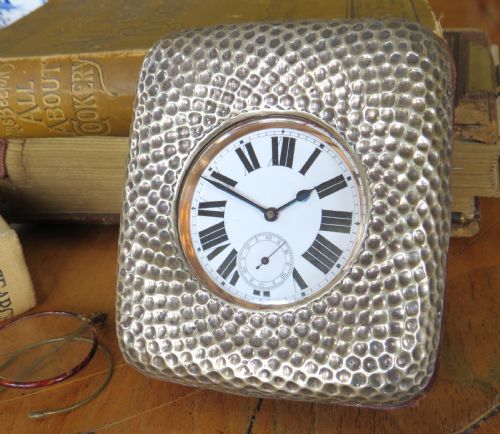
When you search for an early english clock, you encounter a range of timepieces spanning from the seventeenth century through to the early twentieth century. These objects include towering longcase grandfather clocks, wall-mounted dial clocks, and table brackets housed in timber cases.
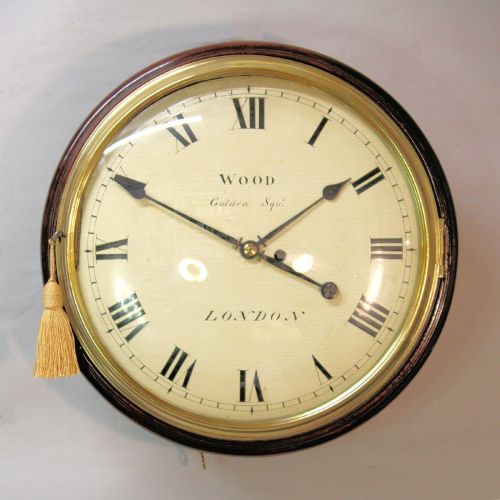
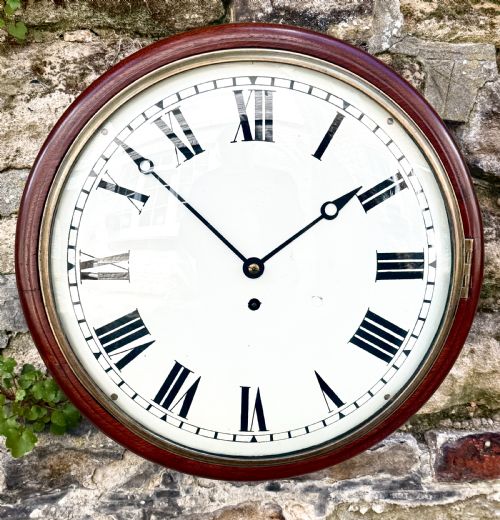
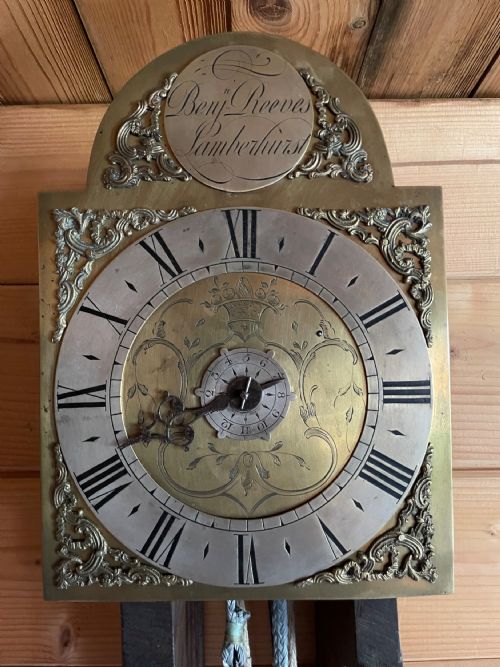
The pieces on this page lean heavily towards traditional formats such as oak longcase clocks from the Georgian era and mahogany fusee wall clocks from the nineteenth century. Makers from regional workshops and London studios both populate these listings, showing distinct local variations in dial design and case construction.
Grandfather clocks and wall dials form the core of what survives today, offering functional horology alongside period cabinet-making. Each specimen reflects the domestic and commercial needs of its era, from simple single-handed timepieces to complex striking movements.
Materials and Construction
Cases utilise solid timbers such as oak, mahogany, and ebonised wood, chosen for stability and grain. Dial faces combine brass, silvered brass, painted wood, and plaster, often fitted with convex glass or wooden bezels.
Internal mechanisms rely on iron and steel for gears, arbors, and escapements, driven by brass weights, springs, or fusee movements that maintain equal tension as power winds down.
Early English Clock Retail Price Guide 2026
Typical asking prices for early english clock among the pieces listed under this phrase on Sellingantiques today, from the lower quarter to the upper quarter. They describe what is for sale here now, not the wider market.
Some early wall clocks included a built-in alarm alongside the standard timekeeping train, ensuring nobody slept past dawn.
Assessing Quality and Merit
Quality rests in the crispness of the original movement and the proportion of the cabinetry. A superior clock retains its matching dial, original hands, and untouched dial signatures without modern replacement plates.
The integration of the movement into the case dictates value, where later marriages between dial and box lower standing. Finer examples display meticulous engraving on brass dials and refined timber patination earned through long service.
Nathaniel Pyne·Benj Reeves Lamberhurst·John Waller of Preston·Richard Rooker·Osborn of Kingsbridge·Perivale of England·Camerer Cuss·J Beckett of London·John Drew·Hampston Prince Cattles of York·John Bishop of Sherborne Dorset
The Early English Clock Glossary
- Fusee
- A conical pulley used in spring-driven clocks to equalise the torque of the mainspring as it unwinds. This mechanism ensures consistent force reaches the escapement for better timekeeping.
- Grandfather clock
- A tall, freestanding pendulum clock enclosed in a wooden case with a waist and a hood. Also known as a longcase clock, it typically houses an eight-day or thirty-hour movement.
- Dial clock
- A wall-mounted timepiece featuring a prominent face enclosed in wood or metal with a glazed bezel. These items were common in public spaces, offices, and large halls.
- Strike and silent
- A mechanism that allows the striking train of a clock to be silenced manually at night. It prevents the bell from sounding the hours while maintaining the timekeeping function.
- Cartel clock
- An ornamental wall clock enclosed in a frame made of carved wood, metal, or giltwood. Originating in France, these pieces often feature elaborate scrollwork and decorative motifs.
Early English Clock: Frequently Asked Questions
What is a fusee movement?
A fusee movement uses a conical drum to regulate the pull of the mainspring. This ensures the clock receives even power as the spring relaxes.
Such systems indicate higher grade English clockmaking, designed to improve accuracy over long periods between winds.
How do I wind a longcase clock?
Winding involves using a crank key to pull up the weights via cords or chains inside the trunk. Care must be taken not to overwind the movement.
Most traditional eight-day clocks require winding once a week at roughly the same hour to maintain rhythm.
Where were wall dial clocks used?
Wall dial clocks served primarily in functional spaces such as railway stations, offices, and large domestic kitchens. Their clear faces allowed quick reading from a distance.
Mahogany and oak cases protected the mechanisms from dust and damp in busy working environments.
How do I tell an 18th century clock from a 19th century one?
Eighteenth century examples often feature brass dial plates, square proportions, and oak cases with single hands or early anchor escapements. Dial designs evolved toward painted convex wooden faces during the nineteenth century.
Case timbers also shifted from local oak toward imported mahogany as trade routes expanded.