

Early Century Bronze Figure
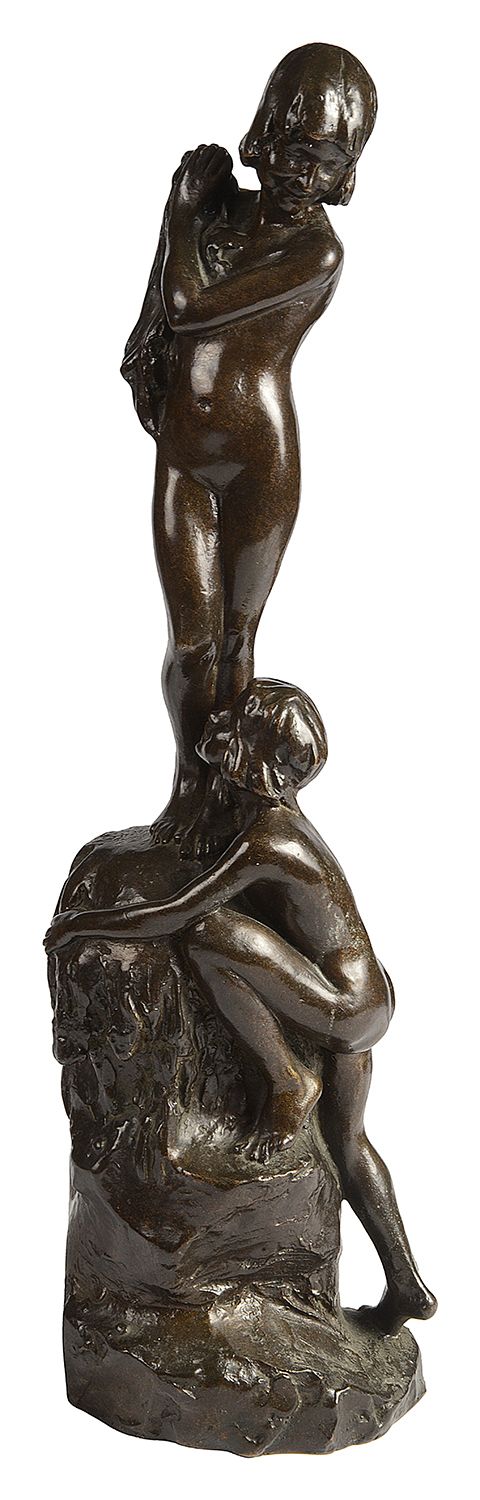
An early century bronze figure captures the dynamic energy and sculptural ambition of the decorative arts from the late nineteenth through the 1930s.
Early Century Bronze Figure
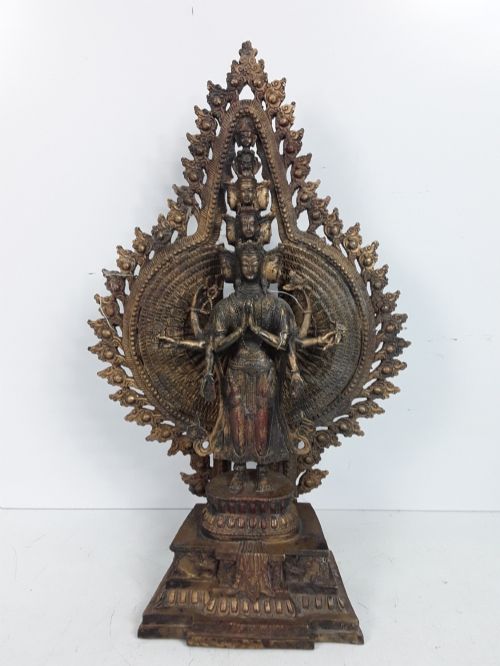
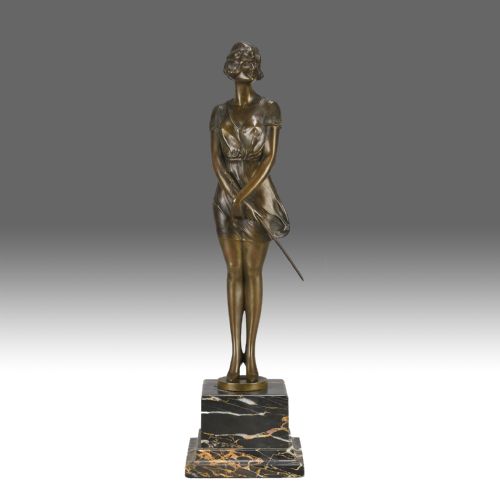
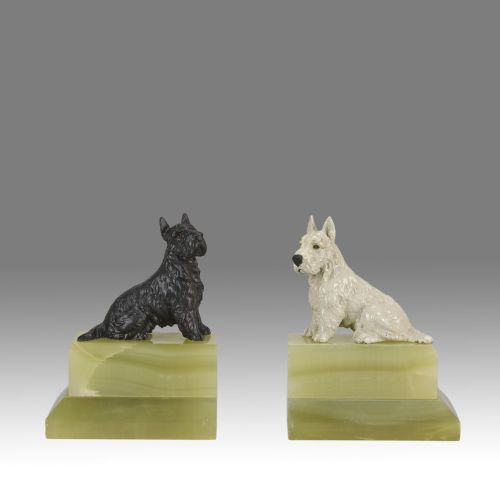
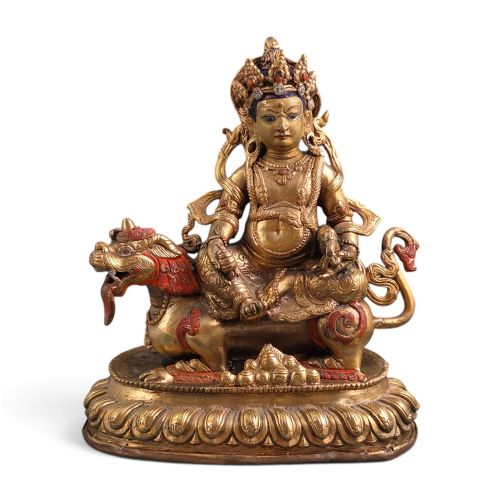
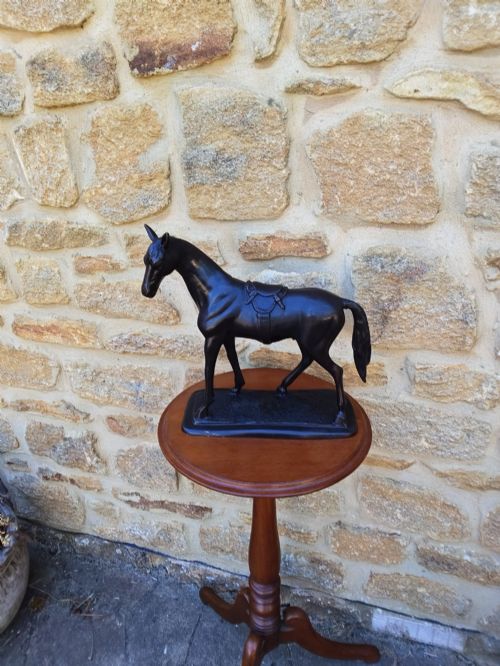
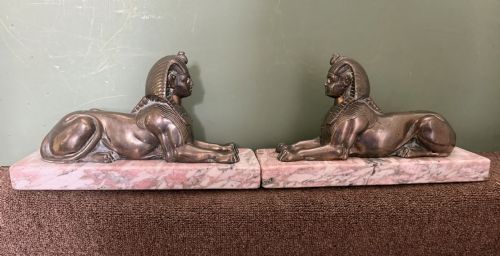
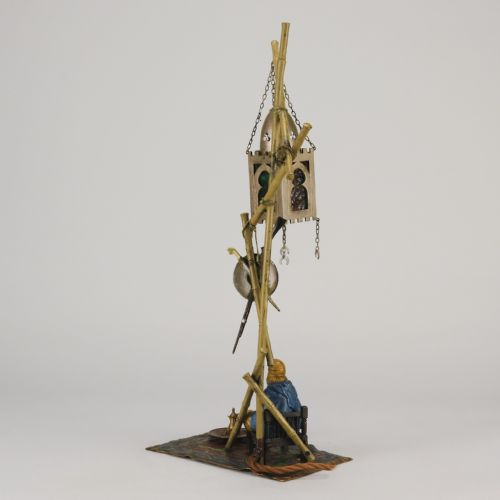
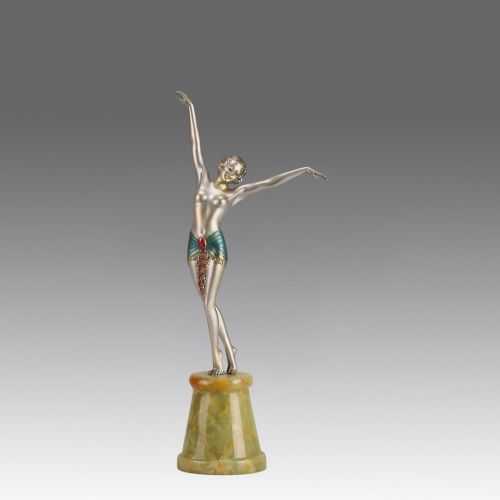
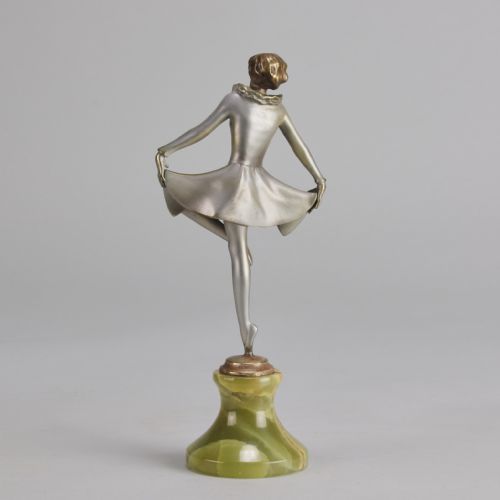
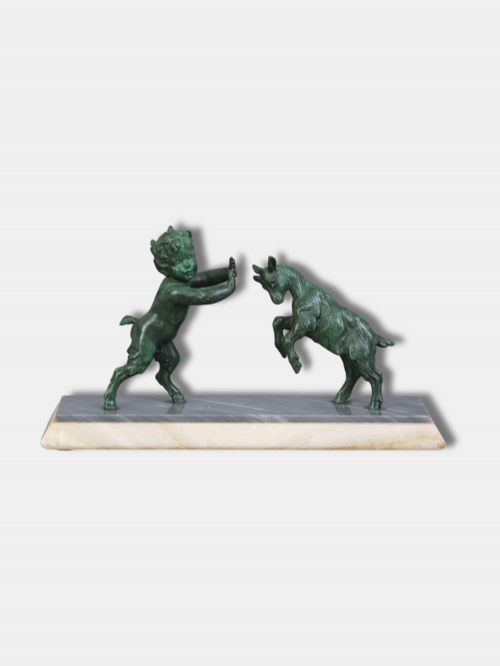
When searching for an early century bronze figure, a buyer encounters a diverse selection of sculptural objects originating primarily from the 1900s to the 1930s, alongside select pieces extending back into the nineteenth century and the Georgian period. These works manifest in various forms including dedicated sculptures, statuettes, table lamps, bookends, and portrait busts.
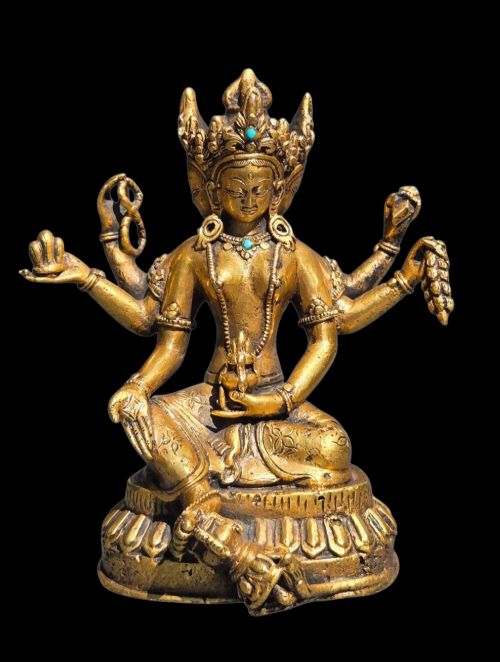
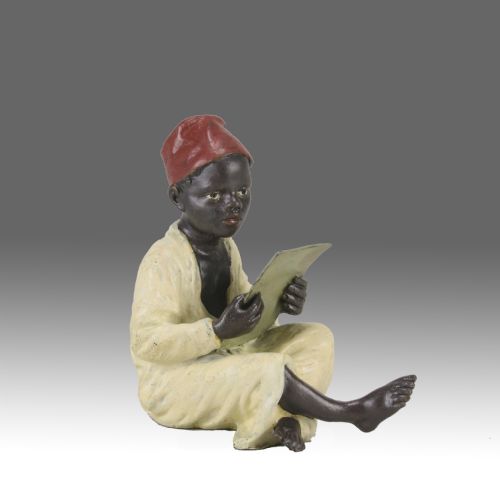
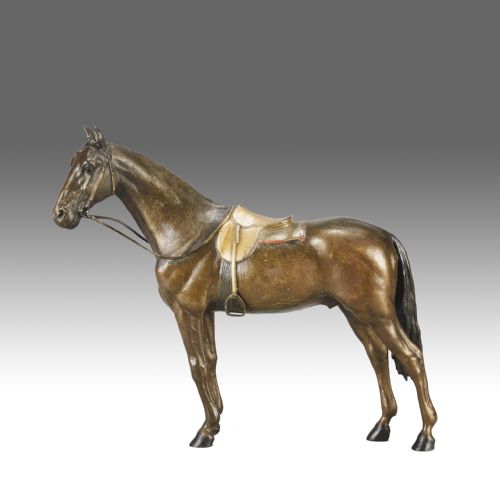
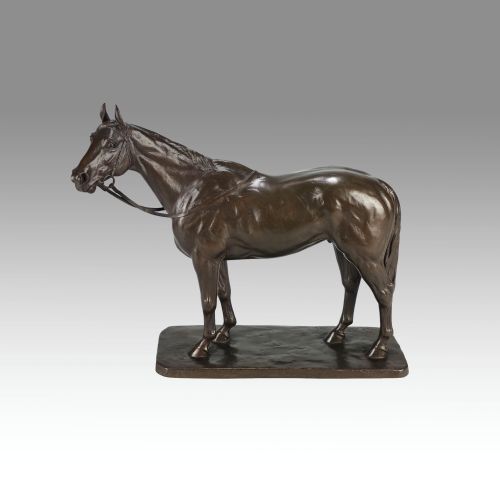
The most common examples on this page reflect distinct stylistic movements such as Art Deco, Art Nouveau, Animalier, and Vienna Bronze, alongside Orientalist and Sino-Tibetan traditions. Subjects range from human figures like dancers, children, and historical models to animals including horses, terriers, and birds.
Materials and technique
The objects recorded in the inventory rely heavily on foundational bronze casting, frequently enhanced through surface treatments such as cold-painting, enamelling, or gilding to create rich polychrome and metallic finishes. Cold-painted bronze pieces required skilled application of paint directly onto the cold metal surface after casting.
Materials documented across the inventory include cold-painted bronze, gilt bronze, marble, onyx, enamel, and carved turquoise inlays.
Distinctions in quality
The preservation of original surface treatments, such as cold paint or fire gilt, dictates the visual integrity of a piece over time. Finer examples maintain an intensity of colour and depth of patination that lesser commercial productions simply lack.
Bruno Zach·Franz Bergman·Pierre le Faguays·Ferdinand Preiss·Josef Lorenzl·Kunio Itô·Demetre Chiparus·Friedrich Goldscheider
The Early Century Bronze Figure Glossary
- Bronze
- An alloy consisting primarily of copper, traditionally mixed with tin, utilised for centuries in durable sculptural casting. It forms a stable patinated surface over time.
- Cold-Painted Bronze
- A technique where oil paint is applied to a cold bronze casting rather than fired in a kiln. This method allowed for vibrant polychrome finishes popular in Austrian workshops.
- Gilt Bronze
- Metalwork treated with a thin layer of gold applied through amalgamation or leaf methods. It produces a brilliant, reflective golden surface resistant to tarnishing.
- Animalier
- A nineteenth and early twentieth century artistic style focused on the realistic portrayal of animals. Sculptors in this tradition studied anatomy closely through life observation.
- Vienna Bronze
- Small, highly detailed bronze sculptures produced in Austrian foundries around the turn of the twentieth century. These figures are renowned for their intricate cold-painted surfaces.
Early Century Bronze Figure: Frequently Asked Questions
How do I care for cold-painted bronze?
Maintain cold-painted bronze figures by dusting them gently with a soft, dry brush to protect the fragile paint layers from abrasion. Avoid using chemical cleaners, water, or polishes that can strip the historic pigment.
Keep these sculptures out of direct sunlight and away from high humidity to prevent the paint from fading or flaking over time.
What defines an Animalier bronze?
An Animalier bronze focuses specifically on the lifelike depiction of animals, capturing creatures in naturalistic poses rather than stylised forms. These pieces reflect a nineteenth and early twentieth century scientific interest in animal anatomy.
Artists working in this genre often observed live subjects in menageries to ensure anatomical accuracy in their finished metal sculptures.
How are Vienna bronzes identified?
Vienna bronzes are typically recognised by their small scale, intricate detailing, and distinct cold-painted polychrome surfaces. Subjects frequently include domestic animals, exotic figures, and humorous human vignettes.
Many of these Austrian pieces carry small stamps, foundry marks, or distinct casting characteristics associated with turn of the century Viennese workshops.
Where should I display my sculpture?
Place your bronze figure on a stable, level surface away from heavy foot traffic where it might be accidentally knocked or dislodged. Ensure the display area maintains a stable indoor climate free from extreme temperature fluctuations.
Lighting should be managed carefully to highlight the patination and texture of the metal without exposing the piece to harsh, direct solar radiation.