


Cast Bronze Male Figure
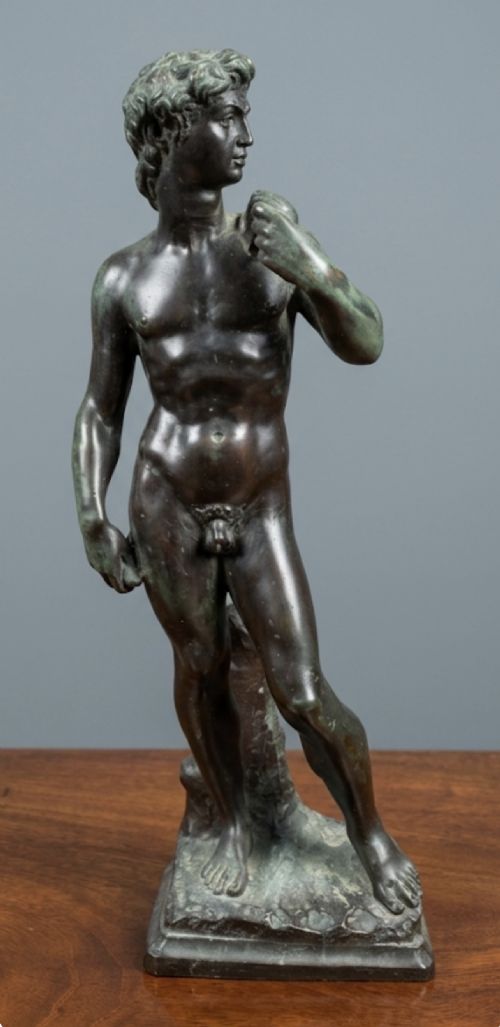
A cast bronze male figure brings classical weight and sculptural presence into a room, spanning grand tour classical revivals and French academic realism.
Cast Bronze Male Figure
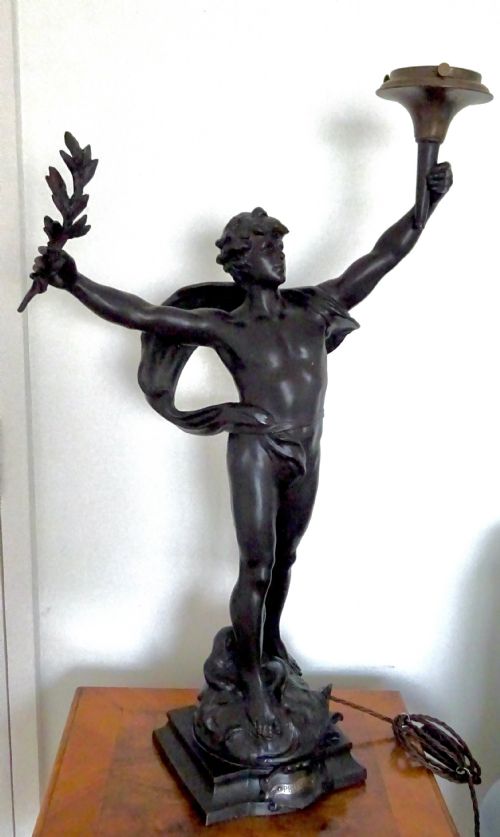
A cast bronze male figure represents human form through solid or patinated metal, capturing subjects from mythological deities like Bacchus and Narcissus to historical rulers such as Henry IV of France. These sculptures span periods from the Victorian era and the 19th century through to Edwardian and early 20th century pieces, including Art Nouveau works.
Buyers encounter diverse interpretations ranging from Grand Tour reductions of ancient antiquities to French Realism and mid-20th century realist studies. Formats include freestanding table sculptures, monumental desk pieces, and functional table lamps incorporating sculptural bases.
The aesthetic heritage draws heavily on French academic traditions, classical antiquity, and exoticism such as Khmer style elements. Such diversity ensures that a cast bronze male figure fits seamlessly into both traditional period interiors and modern minimalist spaces.
Materials and casting methods
Foundries utilised traditional metal casting techniques to achieve enduring form, predominantly using bronze and patinated bronze for the primary figures. Many examples incorporate cold-painted or bronzed finishes on substitute metals, alongside alternative media like terracotta and earthenware.
Bases and structural mounts frequently employ carved marble to provide heavy support and visual contrast to the dark metalwork. Subsidiary materials include spelter, which offered a more economical alternative to solid bronze during the late 19th and early 20th centuries.
History records that even iron-willed monarchs occasionally paused to admire a well-turned bronze calf.
Distinguishing quality and execution
Signatures, foundry stamps, and maker marks elevate a piece by providing verifiable provenance and connecting the object to renowned workshops or named sculptors. The weight, stability, and integrity of the marble bases or secondary mountings further indicate the original investment in materials.
Friedrich Goldscheider·Emile Louis Picault·Barbedienne·Raoul Francois Larche·Rudolf Küchler·Feridah Francis Forbes Taylor·Moreau
The Cast Bronze Male Figure Glossary
- Patinated bronze
- Bronze that has been treated with chemical solutions to produce a specific surface colour and finish. This layer protects the metal and adds depth to the sculptural contours.
- Grand Tour
- A cultural journey undertaken by wealthy young Europeans in the 18th and 19th centuries, returning home with classical sculpture reductions. These souvenir bronzes reproduced famous ancient Greek and Roman antiquities.
- Spelter
- An alloy of zinc and lead cast to imitate bronze, often finished with a dark metallic coating. It is lighter and softer than bronze.
- Slip cast
- A manufacturing method where liquid clay slip is poured into a plaster mould to produce ceramic figures. This technique allowed for efficient reproduction of detailed forms.
- French Academic
- A style of painting and sculpture produced under the influence of the Académie des Beaux-Arts in Paris. Works in this tradition emphasise rigorous technical skill, classical proportion, and historical narrative.
Cast Bronze Male Figure: Frequently Asked Questions
How do I clean a bronze sculpture?
Dust the surface gently with a soft, dry brush to prevent particle buildup. Avoid using water, soap, or chemical polishes, which can strip the original patina.
Apply a very thin coat of microcrystalline wax occasionally if the metal appears dry, buffing it off gently with a clean cloth. This protects the bronze from atmospheric moisture and handling oils.
Where should I display my figure?
Place the sculpture on a sturdy, level surface away from direct sunlight and excessive humidity. Consoles, mantels, and bookcases offer stable platforms that support the weight of bronze and marble.
Ensure the piece is positioned at a height where the anatomical details and patination can be appreciated from a natural viewing angle.
How can I tell bronze from spelter?
Bronze is heavier, colder to the touch, and rings with a clear tone when gently tapped. Spelter is softer, lighter, and often shows a dull grey metal underneath any surface wear.
Magnification often reveals tiny casting bubbles or a granular texture in spelter that differs from the dense grain of traditional cast bronze.
What is a Grand Tour bronze?
Grand Tour bronzes were produced in Italy and France during the 19th century as miniature copies of famous classical statues. Travellers purchased them as educational mementos of their European travels.
These pieces typically exhibit warm brown or green patinas and rest on heavy marble plinths, designed to bring classical antiquity into Victorian studies.