

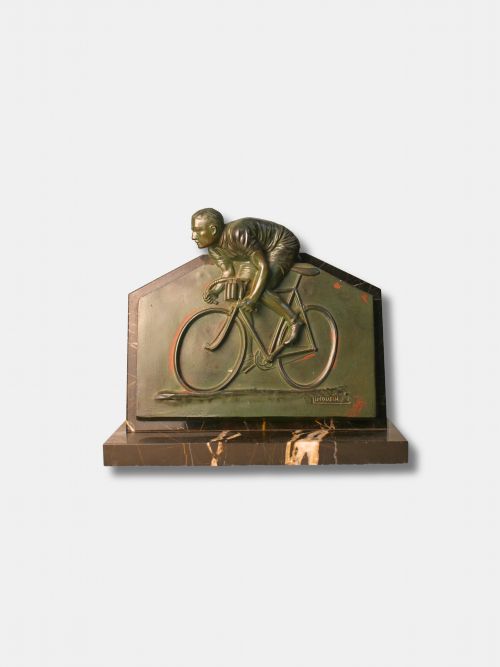


Antique Sports Figurine
An antique sports figurine captures human athleticism and field pursuits in bronze, silver, cast iron and ceramic.
Antique Sports Figurine
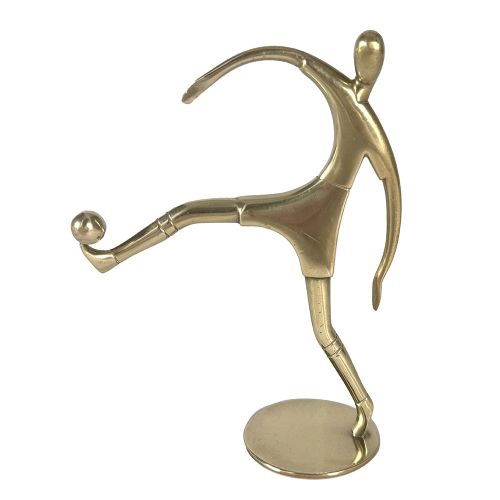
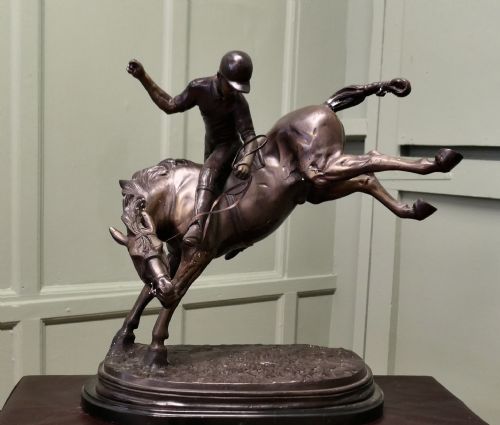
Every antique sports figurine represents a specific physical pursuit, from polo and cycling to rugby, tennis, fencing and skiing. These pieces emerge predominantly in bronze, spelter, cast iron, sterling silver and ceramic forms across the nineteenth and twentieth centuries.
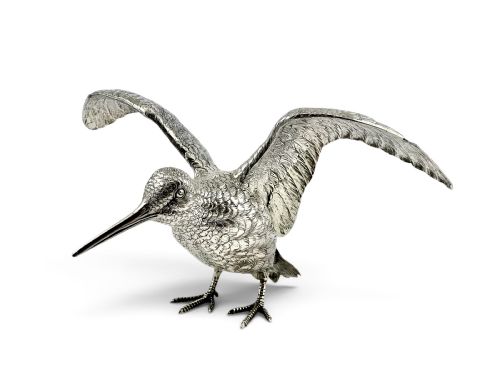
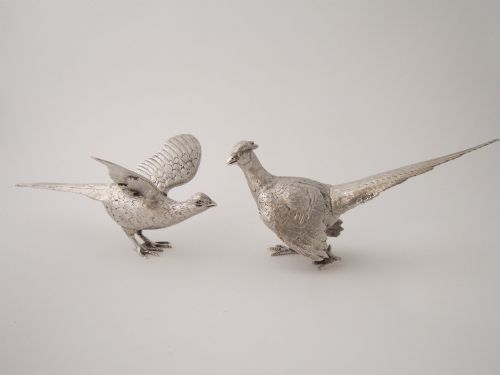
A significant portion of these works depicts field sports, capturing hunting dogs, setters, pointers, hounds, woodcocks and pheasants in dynamic or attentive poses. Collectors also encounter sculptural table ornaments, companion sets, pepper shakers and candlesticks designed around athletic themes.
The aesthetic spans Victorian animalier realism, late nineteenth-century French bronze casting, Art Nouveau character studies and Art Deco athletic figures. Pieces often rest on heavy marble or onyx plinths to provide stability and visual weight.
Materials and casting methods
Foundries utilised traditional lost-wax casting for bronze and gilt bronze sculptures, capturing fine muscle definition, fur texture and athletic equipment. Spelter served as a more accessible metallic alternative, frequently paired with onyx bases and painted surfaces.
Silversmiths hammered, cast and chased sterling silver to form detailed birds, table ornaments and functional pepper shakers bearing traditional hallmarks. Cast iron provided the durability necessary for functional fireside companion sets and utilitarian objects.
Materials span bronze, marble, sterling silver, onyx, cast iron, gilt bronze, metal and spelter across Victorian, Art Nouveau and Art Deco styles.
Evaluating sculptural execution
Quality rests in the precision of the casting and the crispness of the chasing, which determines how cleanly muscles, clothing folds and feathers are defined. Superior examples retain original patination, whether cold-painted pigments on bronze or the deep, warm brown oxidation achieved by skilled founders.
The integration between the figure and its base separates standard production from superior work, particularly where bronze or spelter secures firmly to heavy marble and onyx plinths. Stronger pieces convey motion and anatomical accuracy with conviction, avoiding stiffness in human and animal subjects.
Jules Moigniez·Rudolf Küchler·John Willis Good·Charlotte Monginot·Auguste Nicholas Cain
The Antique Sports Figurine Glossary
- Animalier
- A nineteenth-century sculptural style focused on the realistic depiction of animals, particularly dogs and game birds. Artists in this tradition studied anatomy closely through life observation.
- Spelter
- A zinc-based alloy used as an economical substitute for bronze in decorative figures. It is softer than bronze and generally finished with applied patination or paint.
- Cold-painted bronze
- A technique where natural paint is applied to a bronze surface without heat fixing. This finish requires careful preservation to prevent flaking over time.
- Parian
- A fine white ceramic material resembling marble, used for nineteenth-century figurative sculptures. It fires to a smooth, unglazed finish that highlights sculptural detail.
- Patina
- The surface coloration and sheen developed naturally through age or applied chemically by the founder. It protects the underlying metal and adds depth to sculptural contours.
Antique Sports Figurine: Frequently Asked Questions
What defines an animalier sports figure?
Animalier works focus on realistic depictions of hunting dogs, setters and game birds in natural poses. These sculptures reflect nineteenth-century interest in animal anatomy and field sports.
Foundries cast these subjects in bronze with careful attention to fur texture and muscular tension. They frequently served as desk ornaments or cabinet pieces for sporting enthusiasts.
How do I care for bronze sculptures?
Bronze requires minimal maintenance, needing only a gentle dusting with a soft, dry cloth. Avoid chemical cleaners or polishes that strip the original patina.
Keep pieces away from direct moisture and extreme temperature fluctuations to protect underlying metal and applied finishes. Wax can be applied very sparingly by conservation specialists if protection is required.
Are spelter figures considered bronze?
Spelter is a zinc-based metal alloy rather than copper-based bronze, making it noticeably lighter and softer. Makers utilised spelter as an affordable alternative for decorative figures during the early twentieth century.
Inspect the base or underside to check the weight and metal colour. Spelter often shows a distinct greyish tone where surface finishes have worn away.
Why are some figures mounted on marble?
Heavy marble and onyx plinths provided essential stability for dynamic figures like fencers, tennis players and leaping hounds. These stone bases also offered a clean architectural contrast to cast metal.
During the Art Deco period, contrasting coloured marbles became a defining design element for athletic and animal sculptures. The stone adds significant weight to the overall object.