



Early 20th Century Table Lamp
An early 20th century table lamp brings period character and functional illumination into a room, spanning diverse revival styles and industrial forms.
Early 20th Century Table Lamp
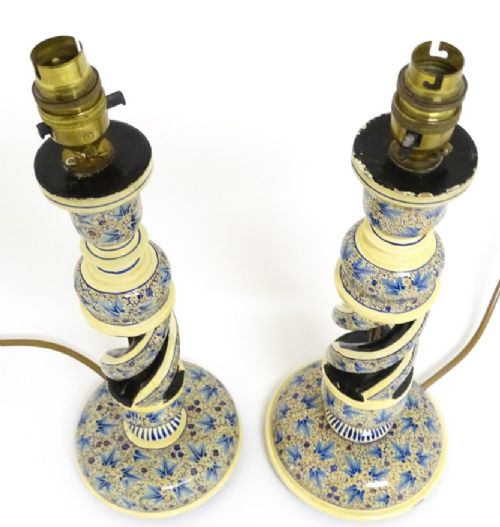
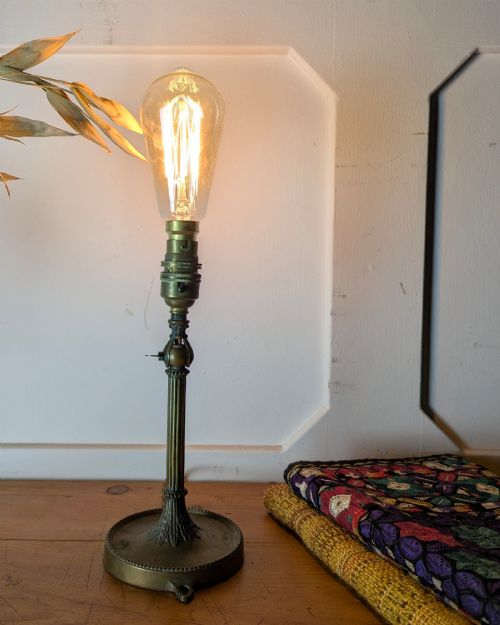
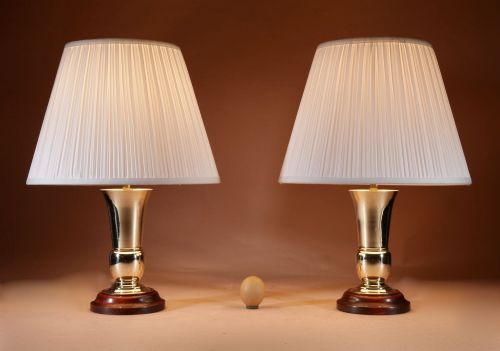
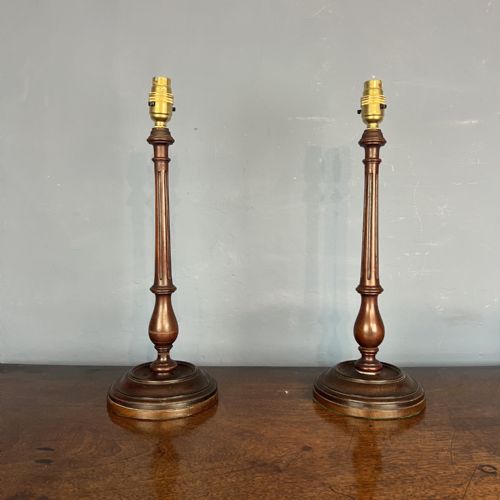
When you search for an early 20th century table lamp, you encounter lighting fixtures that bridge late Victorian utility and the emerging modernist designs of the 1920s and 1930s. The selection ranges from domestic brass candlesticks and classical columns to functional desk lamps and decorative figural pieces.
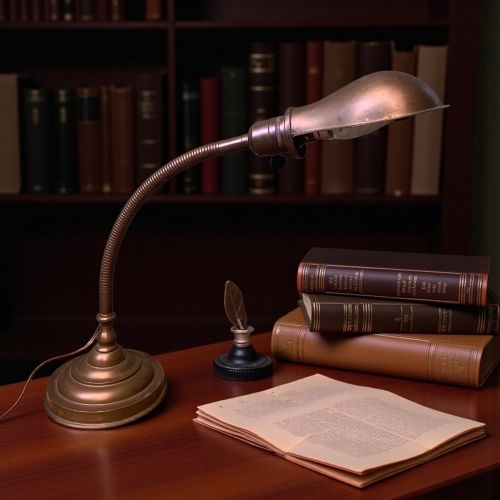
Brass versions dominate the available forms, often featuring adjustable swan necks or Corinthian column architecture suited for desks and reading spaces. Alongside these metal designs appear glass, porcelain, and carved wooden bases reflecting Edwardian tastes and Art Deco movements.
Materials and construction methods
Makers utilised cast and pressed brass, bronze, copper, and silver plate alongside traditional timber frames of oak, walnut, and mahogany. Metal components frequently involve heavy castings, turned columns, and articulated joints designed for adjustable desk lighting.
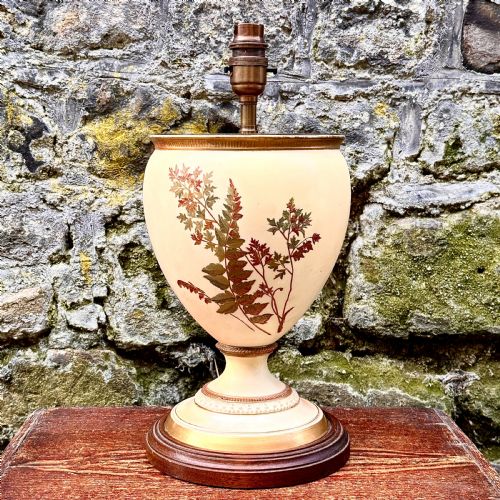
Decorative elements incorporate mouth-blown cut glass, alabaster, frosted crystal, and hand-painted porcelain or tole-peinte finishes. Electrical components, where fitted, sit alongside surviving oil and gas conversions from the transitional period.
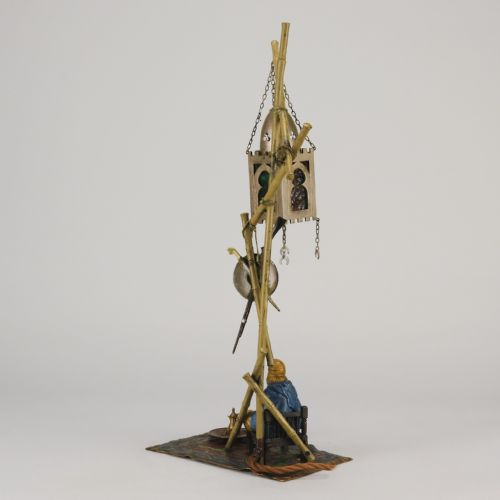
Prickly bronze putti and seated Arabs guard the desk space, standing ready to illuminate midnight correspondence.
Distinctions in manufacture and design
Superior examples display crisp casting detail in metalwork, heavy gauge brass or bronze bases that provide stable weighting, and fine hand-finishing on carved wood or porcelain bodies. Lesser pieces rely on lighter stamped sheet metal and simpler turned shapes.
The sophistication of the articulation mechanisms and the integrity of original surface patination distinguish standard production models from workshop pieces produced by notable designers.
Franz Bergman·WAS Benson·Limpet·Farraday & Son·Royal Worcester
The Early 20th Century Table Lamp Glossary
- Corinthian column
- A classical architectural column form frequently utilised for tall brass table lamps, featuring ornate acanthus leaf capitals. This decorative revival style remained popular throughout the Edwardian era.
- Art Deco
- A design style characterised by geometric symmetry, stylised motifs, and sleek metallic finishes that emerged strongly during the 1920s. Objects from this period favour streamlined silhouettes.
- Tole-peinte
- Painted or enamelled sheet metal, often found on decorative column lamps and cylindrical bases. This technique allowed makers to introduce rich colour and detailed patterns to metal bodies.
- Opaline glass
- A milky, translucent glass type used for shades and lamp bodies to diffuse light softly. It appears in various soft pastel hues across the early decades of the century.
Early 20th Century Table Lamp: Frequently Asked Questions
How do I identify a genuine period lamp?
Examine the weight of the metal base, the method of wiring access, and the consistency of the surface patination. Period pieces typically display heavy brass or bronze casting rather than lightweight modern alloys.
Look closely at construction joints and screws, which reflect early manufacturing tolerances and hand-assembly techniques rather than mass production standards.
Were these lamps originally electric?
Many early 20th century table lamps began as oil or gas fittings and were subsequently converted to electricity as domestic power became widespread. Surviving desk and bankers lamps were frequently manufactured specifically for early electric bulbs.
Conversion methods and internal wiring often show evidence of gradual technological adaptation over the lifespan of the object.
How should I clean brass lamp bases?
Preserve the natural patination by dusting gently with a dry microfibre cloth rather than applying harsh chemical polishes. Aggressive cleaning removes historical age and reduces the visual depth of the metal.
Consult a professional restorer if stubborn tarnish obscures fine chasing or engraved details on decorative column and figural pieces.
Can these lamps take modern bulbs?
Most standard lamp holders accommodate contemporary low-energy or LED bulbs provided the wattage aligns with the original vintage fittings. Ensure that any historical wiring is inspected by a qualified electrician before daily use.
Check the internal clearance of shades, particularly on glass or fabric models, to prevent heat accumulation during prolonged operation.