


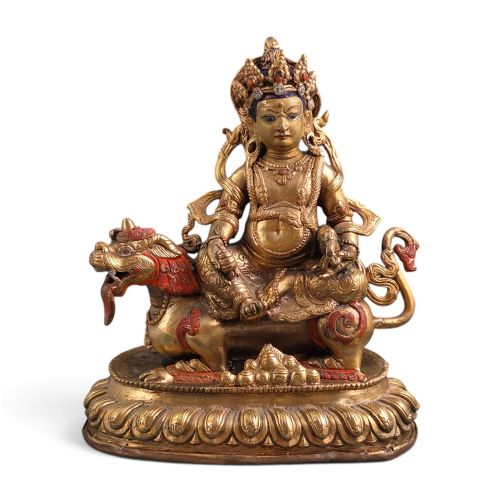
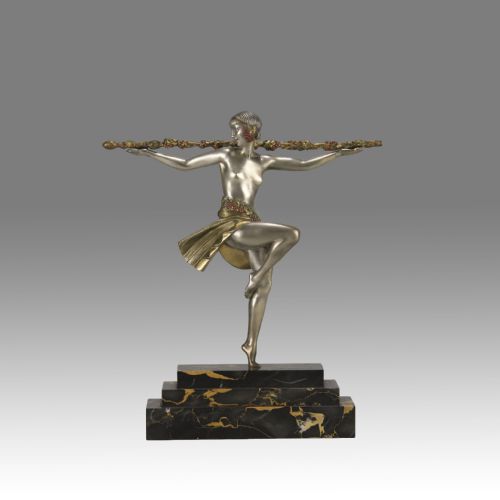
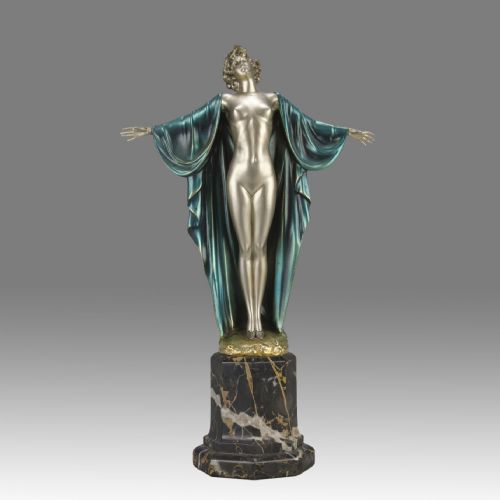
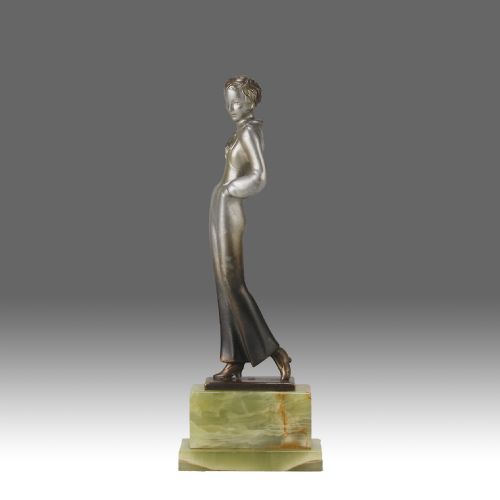
Early 20th Century Statues
These early 20th century statues span diverse global traditions, capturing animal forms, human dancers, and classical subjects in bronze, marble, and porcelain.
Early 20th Century Statues
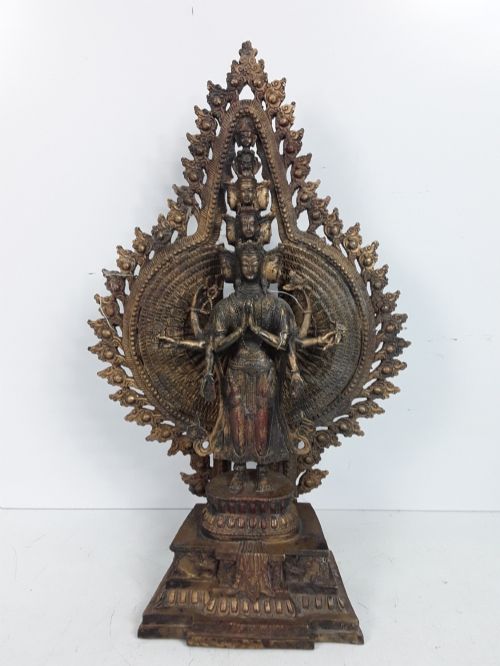
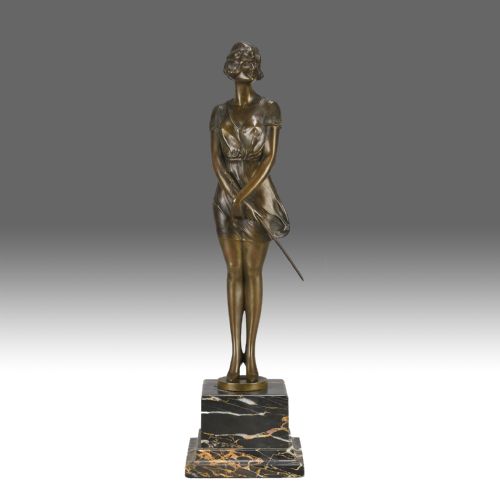
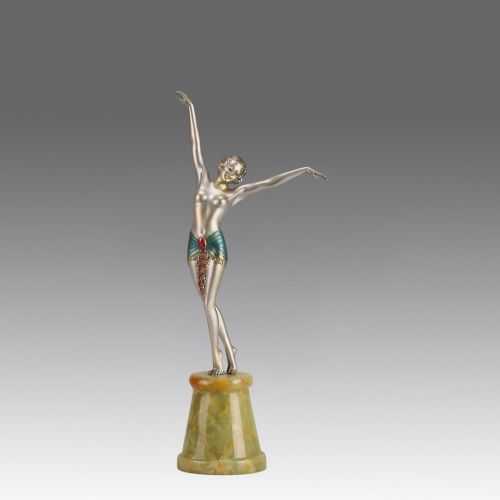
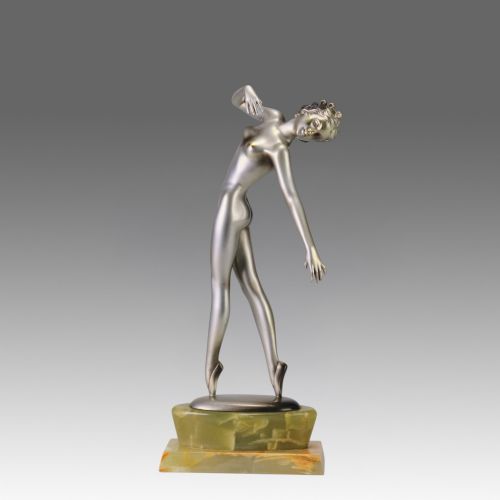
When you search for early 20th century statues, you encounter a varied selection of figural works that bridge traditional academic casting and modern stylistic shifts. The pieces range from grand tour models and animalier studies to distinct orientalist figures and portrait busts.
Art Deco and Art Nouveau movements dominate the aesthetics here, alongside sustained production of traditional bronze and marble figures. You find works originating from European foundries, Austrian workshops, and Asian studios, representing both human and animal subjects.
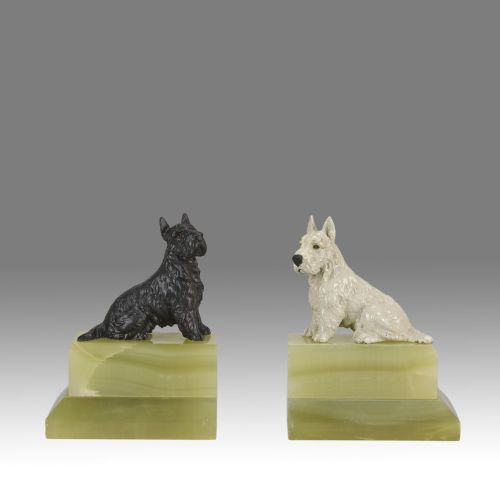
The selection includes cabinet bronzes, bookends, and larger sculptural studies produced during the Edwardian era and the interwar decades. These objects reflect the prevailing tastes of their periods, combining decorative utility with expressive sculptural form.
Materials and casting methods
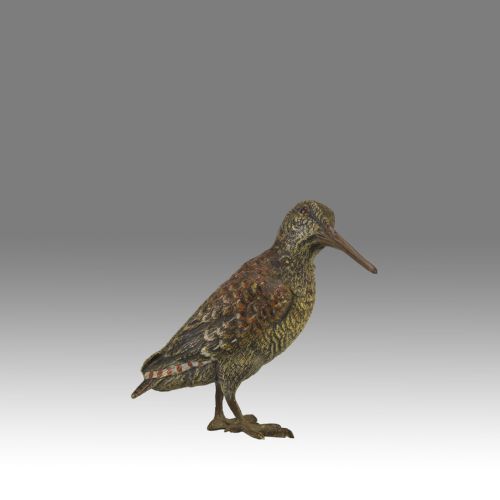
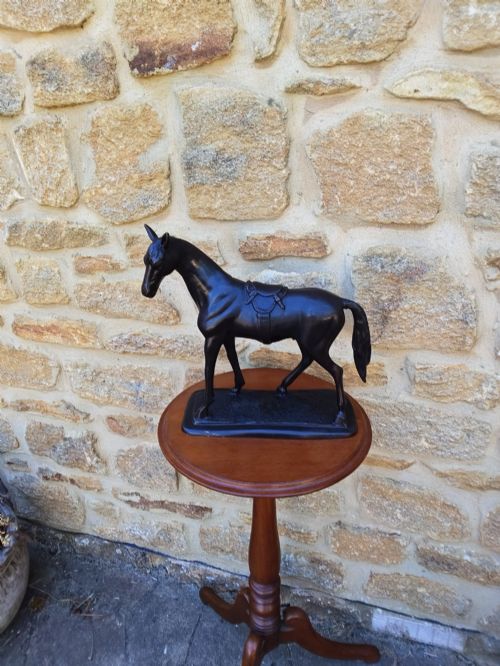
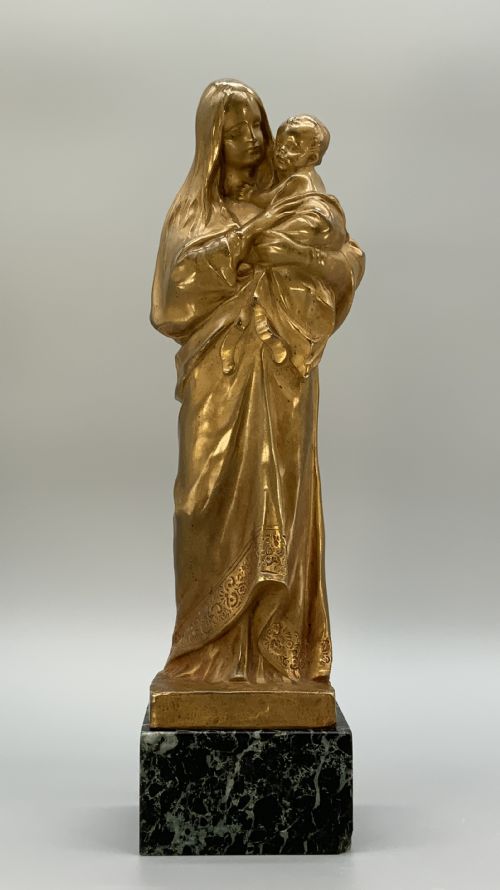
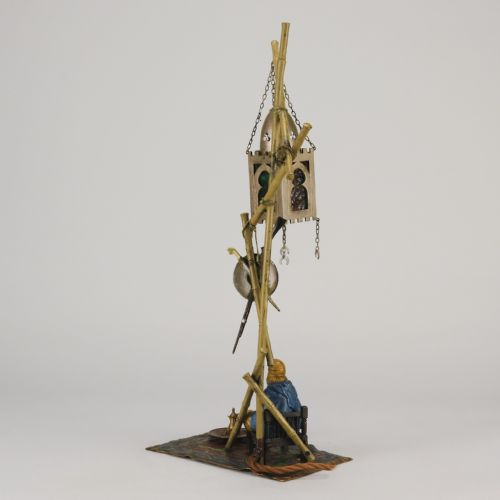
Foundries produced many of these sculptures in bronze, utilising both hot casting techniques and cold-painting methods to apply polychrome details to the metal surface. Gilt bronze and patinated finishes provided varied surface textures across figures and animals alike.
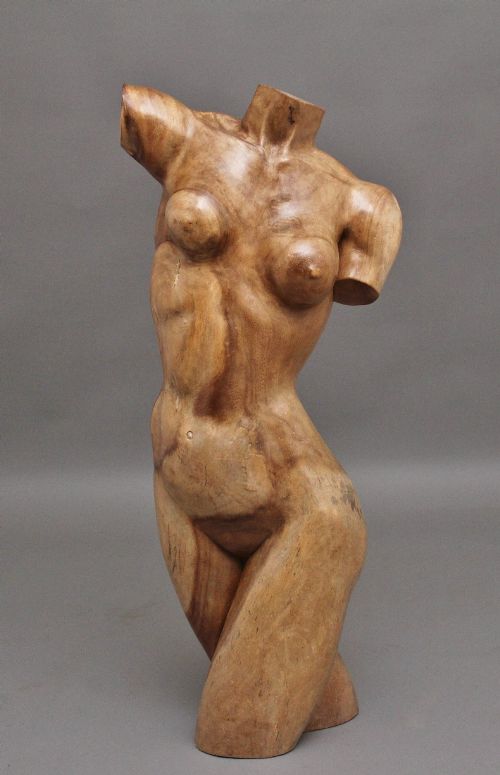
Carved pieces rely on materials such as marble, onyx, and wood, displaying the direct hand of the artisan in the shaping of hair, drapery, and anatomical details. Other works employ porcelain and studio plaster casts to achieve smooth, monochromatic forms.
Works span the Edwardian era, the 1920s, and the 1930s, originating from European and Asian makers.
Distinctions in craftsmanship
The precision of the chaser's work after casting distinguishes finer bronzes, where surface details remain crisp and well-defined without softening from worn moulds. Surface coloration, particularly in cold-painted or gilt examples, shows variation in pigment preservation and application skill.
Carved stone and wood pieces reveal quality through the depth of undercut details and the natural handling of the medium's grain or crystalline structure. Proportions and anatomical accuracy also set individual sculptural studies apart from mass-produced commercial castings.
Bruno Zach·Franz Bergman·Pierre le Faguays·Ferdinand Preiss·Josef Lorenzl·Demetre Chiparus·Kunio Itô·Friedrich Goldscheider
The Early 20th Century Statues Glossary
- Cold-painted bronze
- A method where bronze figures received non-fired oil paint applications after casting. This technique gained particular popularity in Viennese workshops during the early decades of the century.
- Animalier
- A style dedicated to the realistic depiction of animals in motion or repose. Sculptors working in this tradition observed anatomy closely to capture natural behaviours.
- Grand tour
- A term describing souvenir models collected by travellers visiting European cultural sites. These pieces often reproduced classical antiquities in miniature scale.
- Patina
- The surface coloration and chemical film developed naturally over time or applied artificially by the foundry. It protects the metal and defines tonal variations.
- Chasing
- The finishing process where a metalsmith refines the raw casting using tools to sharpen lines and remove surface imperfections.
Early 20th Century Statues: Frequently Asked Questions
How do I clean bronze statues?
Dust surfaces gently with a soft, dry cloth to prevent the accumulation of grit and particulate matter.
Avoid using water, abrasives, or chemical polishes, as these substances can strip the original patina and damage the metal.
What is cold-painted bronze?
Cold-painted bronze refers to metal sculptures finished with oil-based paints that were applied without a high-temperature firing process.
This technique allowed makers to achieve vibrant, multicolored surfaces on small animal and human figures.
How are periods identified?
Periods are determined through a combination of stylistic markers, foundry marks, artist signatures, and material compositions.
Art Deco and Art Nouveau design elements point toward specific decades, while traditional patination offers additional chronological context.
Where should I display them?
Place statues on stable, level surfaces away from direct sunlight, excessive moisture, and fluctuating temperatures.
Cabinet tops, bookshelves, and dedicated display tables provide secure environments that allow clear visibility from multiple angles.