



Early 20th Century Door
An early 20th century door brings solid timber craftsmanship and period presence into a modern interior.
Early 20th Century Door
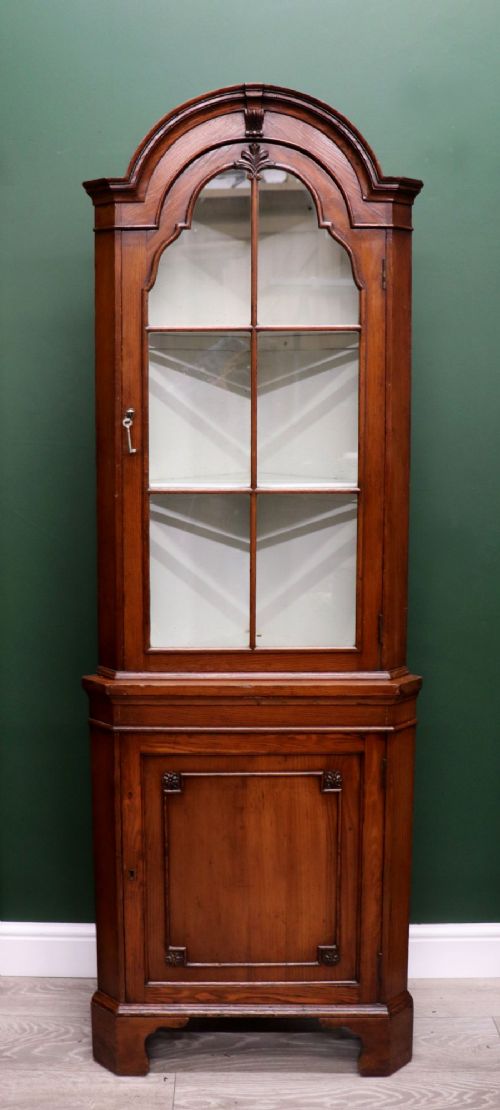
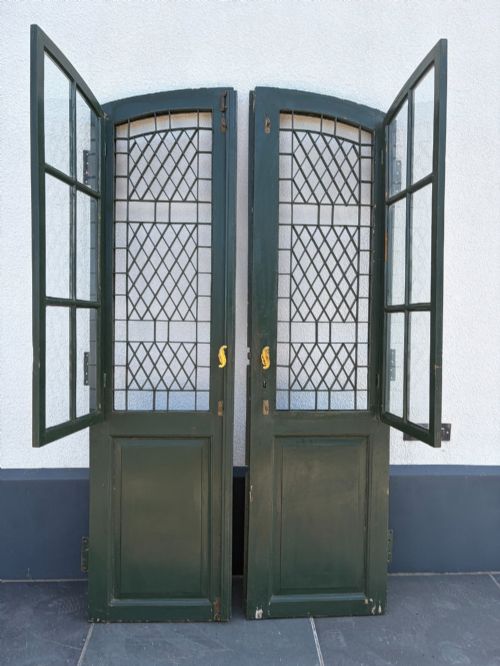
An early 20th century door encompasses architectural salvage and integrated furniture fittings from the Edwardian era through to the 1930s. Buyers encountering this search phrase will find solid wood construction utilised across panels, mirrors, and glazed display furniture.
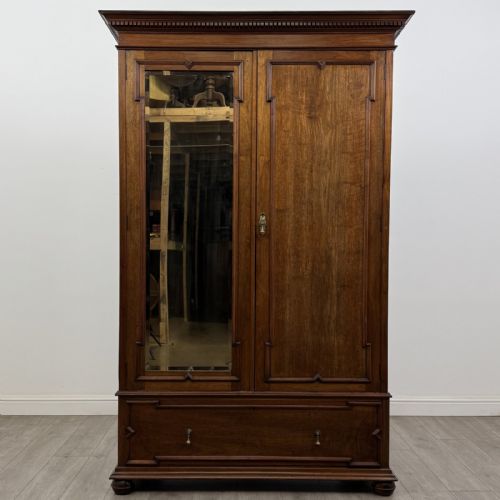
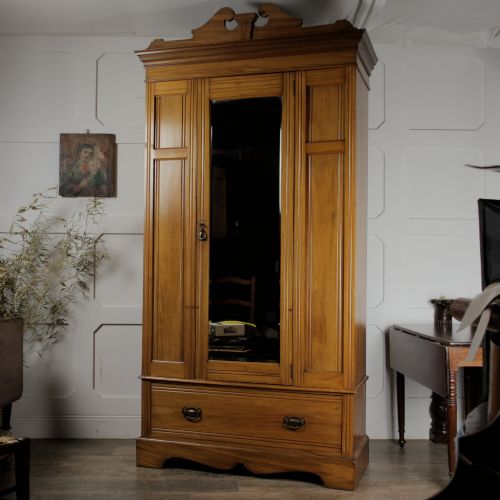
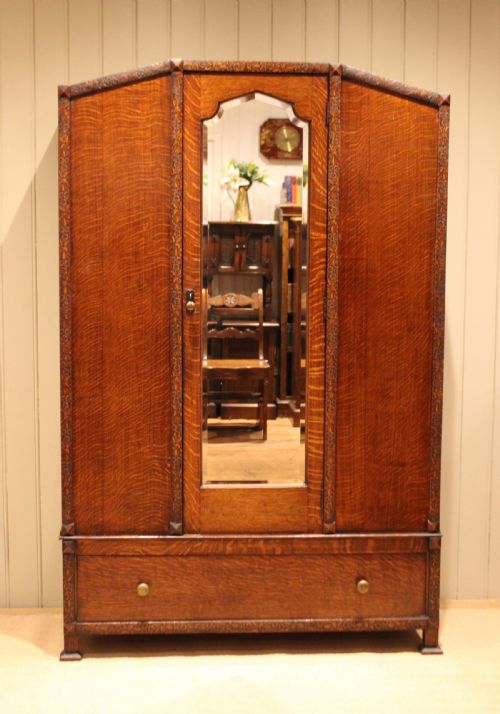
The selection ranges from architectural French doors to fitted mirror doors on wardrobes and tambour fronts on cabinets. Oak, pine, walnut, and mahogany dominate the offerings, often styled in revival periods like Jacobean, Georgian, and Queen Anne.
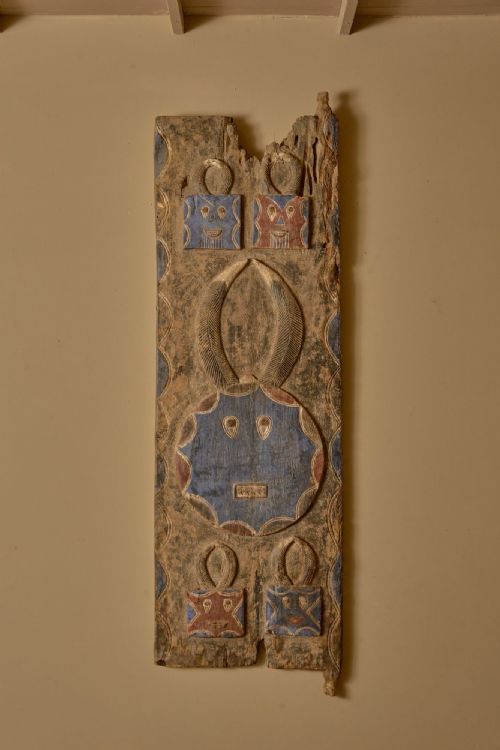
African tribal carving also appears on singular carved panels, demonstrating the breadth of decorative treatment during the period. Most examples originate from domestic and institutional settings, carrying the patina of early twentieth-century use.
Materials and construction methods
Makers utilised heavy hardwoods such as oak, walnut, and mahogany alongside durable softwoods like pine and satinwood. Panel construction and mortise and tenon joints provided structural integrity for doors exposed to daily domestic movement.
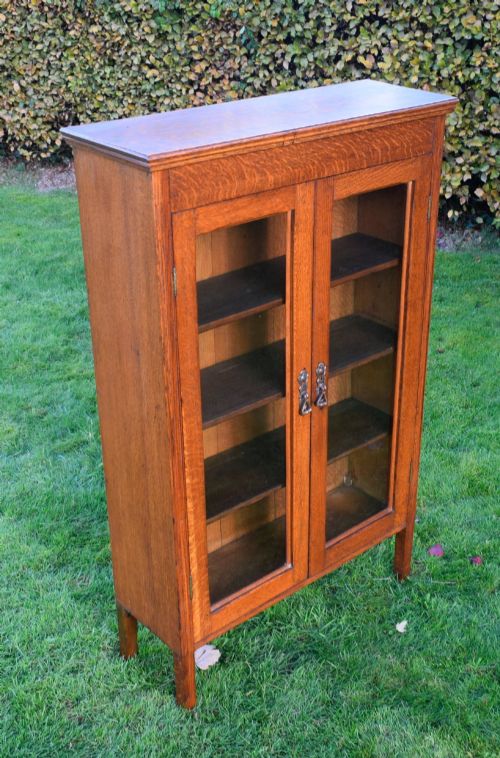
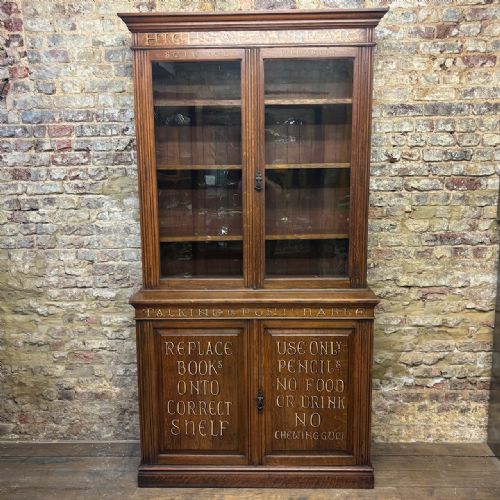
Glass panels were frequently integrated into bookcases and display cabinets, secured with timber glazing bars. Brass and iron hardware, including hinges, handles, and tambour tracks, completed the functional assembly of these pieces.
Early 20th Century Door Retail Price Guide 2026
Typical asking prices for early 20th century door among the pieces listed under this phrase on Sellingantiques today, from the lower quarter to the upper quarter. They describe what is for sale here now, not the wider market.
Current listings feature pieces spanning 1900 to 1930, utilising oak, walnut, mahogany, pine, brass, iron, and glass.
Distinctions in construction and finish
The grade of timber selection dictates the visual weight and longevity of the piece, with burr walnut and figured mahogany sitting at the upper end of the scale. Cabinetmakers applied meticulous marquetry and hand-carved detailing to elevate standard utility items into bespoke furniture.
Hardware choice and glazing clarity also mark the difference between standard production and finer workshops. The integration of complex mechanisms, such as sliding tambour fronts or multi-panel frames, requires precise joinery that survives intact on superior examples.
Edwards & Roberts
The Early 20th Century Door Glossary
- Tambour door
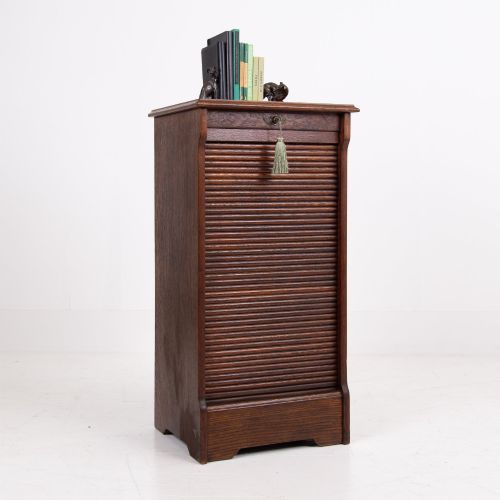
- A flexible door constructed from narrow vertical strips of wood glued to a canvas backing, allowing it to slide smoothly around a curved track. This mechanism appears frequently on office and filing cabinets from the period.
- Breakfront
- A cabinet design where the central section projects forward from the flanking wings. This architectural arrangement creates depth and shadow on large bookcases and sideboards.
- Glazed cabinet
- A storage piece featuring glass panes fitted into the doors to display contents while protecting them from dust. These are common across bookcases and corner cabinets.
- Architectural salvage
- Building elements rescued from demolition or remodelling for reuse in new settings. This category includes paired French doors and heavy timber entryways.
Early 20th Century Door: Frequently Asked Questions
How do I date an early 20th century door?
Dating relies on identifying the underlying timber selection, hardware style, and prevailing revival motifs present in the joinery.
Examining the construction methods and edge profiles will further narrow the decade of production between nineteen hundred and nineteen thirty.
Are these doors suitable for interior architecture?
Many examples function effectively as room dividers or architectural replacements within period properties.
Buyers should verify specific dimensions and rebate depths before attempting structural installation in modern wall openings.
How do I maintain wood and glass doors?
Routine maintenance requires gentle cleaning with a dry or slightly damp cloth to protect polished timber surfaces.
Glass panels benefit from standard non-abrasive solutions, while brass and iron hardware should remain unpolished unless removing active oxidation.
What woods were commonly used?
Makers relied heavily on domestic and imported hardwoods including oak, walnut, mahogany, and satinwood.
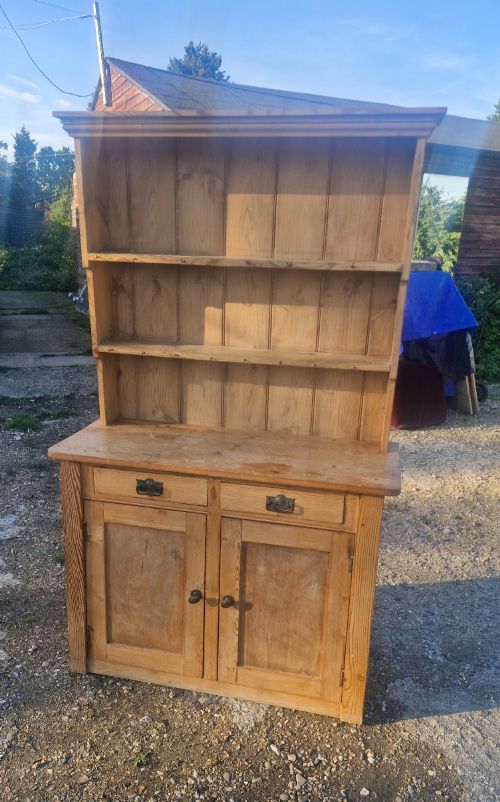
Pine and other softwoods were routinely utilised for painted furniture, kitchen dressers, and concealed structural carcases.