



Carved Wooden Relief Sculpture
When you search for carved wooden relief sculpture, you are looking at panels, plaques and architectural fragments shaped from timber across five centuries.
Carved Wooden Relief Sculpture
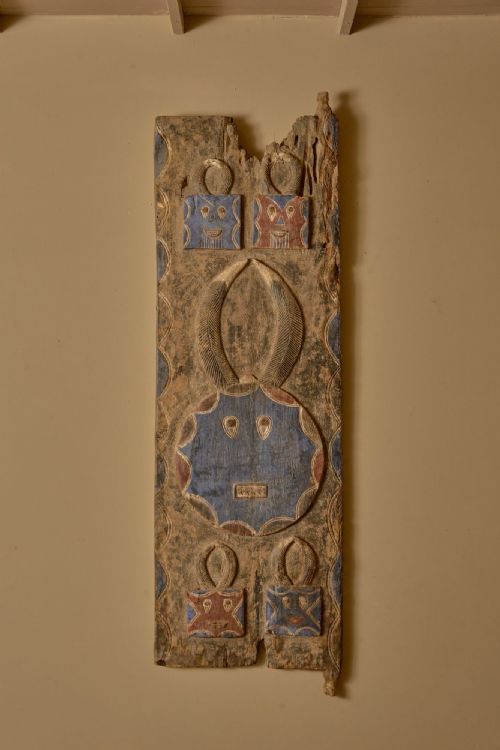
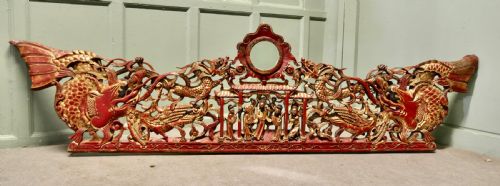
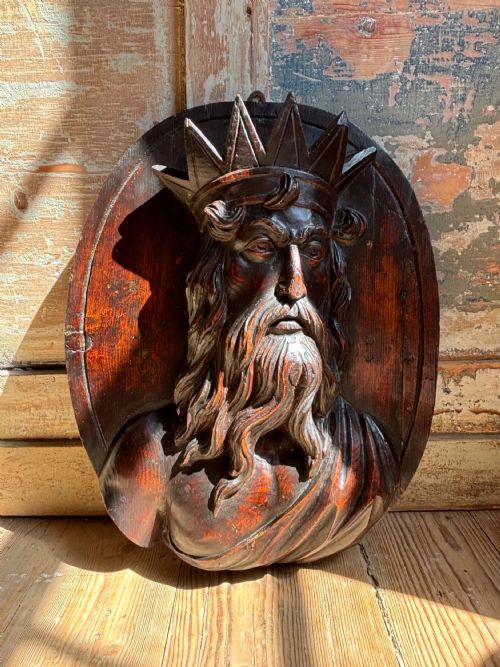
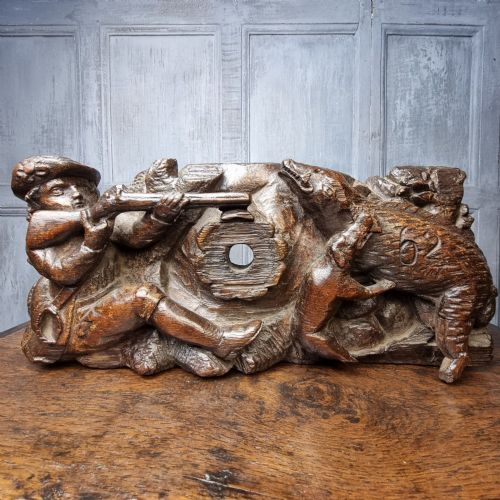
A carved wooden relief sculpture is a panel, plaque or fragment shaped to project from a flat background, ranging from small domestic decorations to large architectural salvage. These works emerge from diverse traditions, including European ecclesiastical salvage, Black Forest game trophies and African figurative panels.
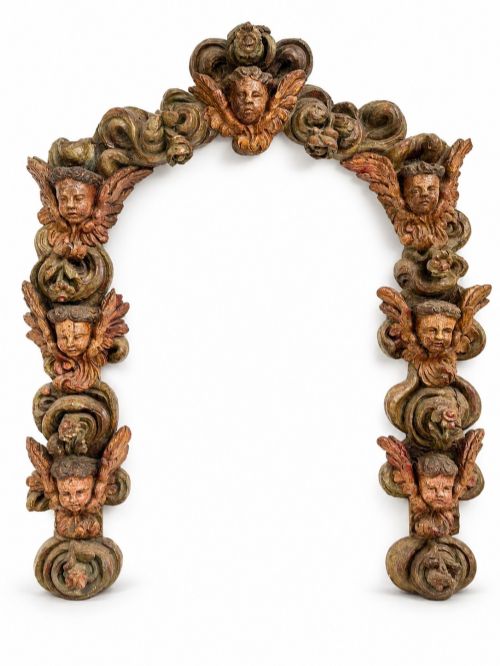
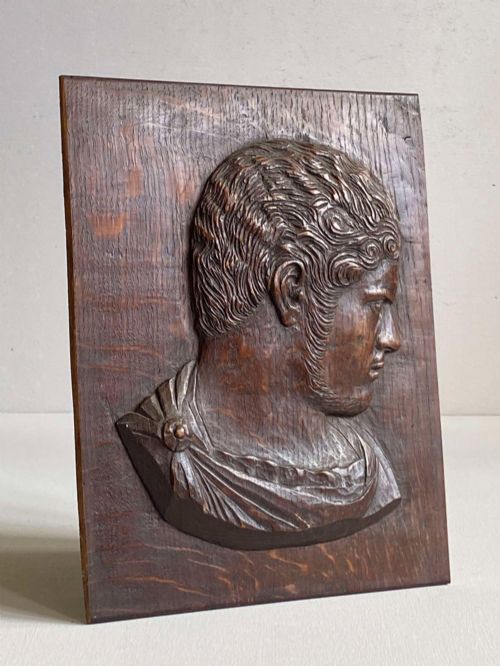
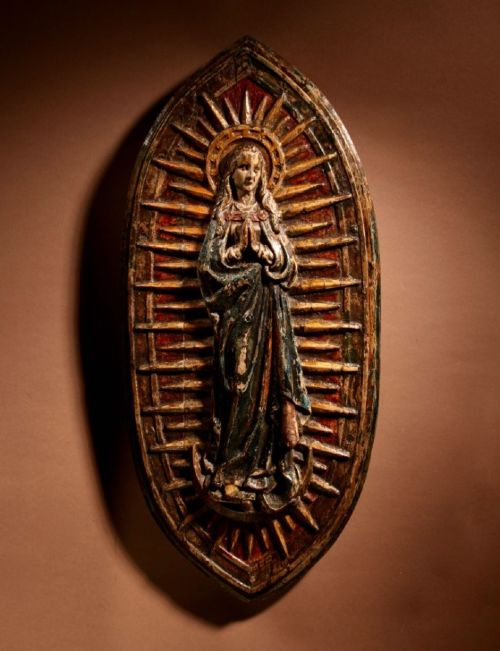
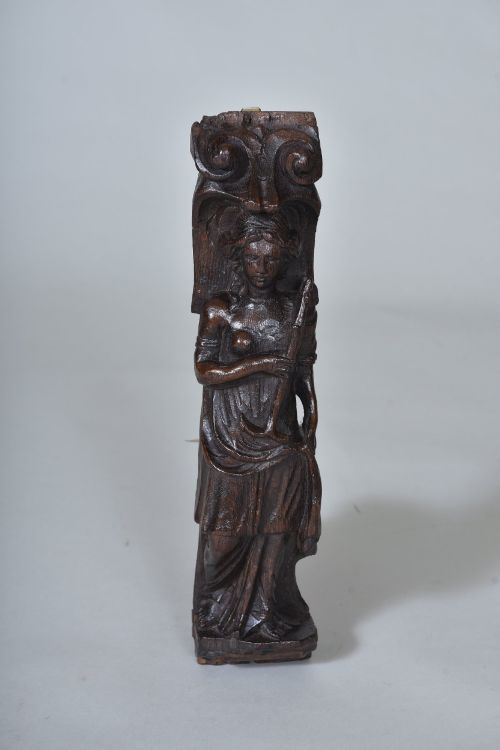
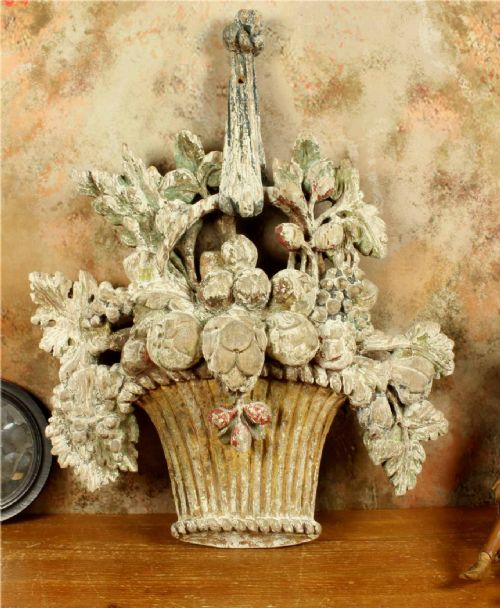
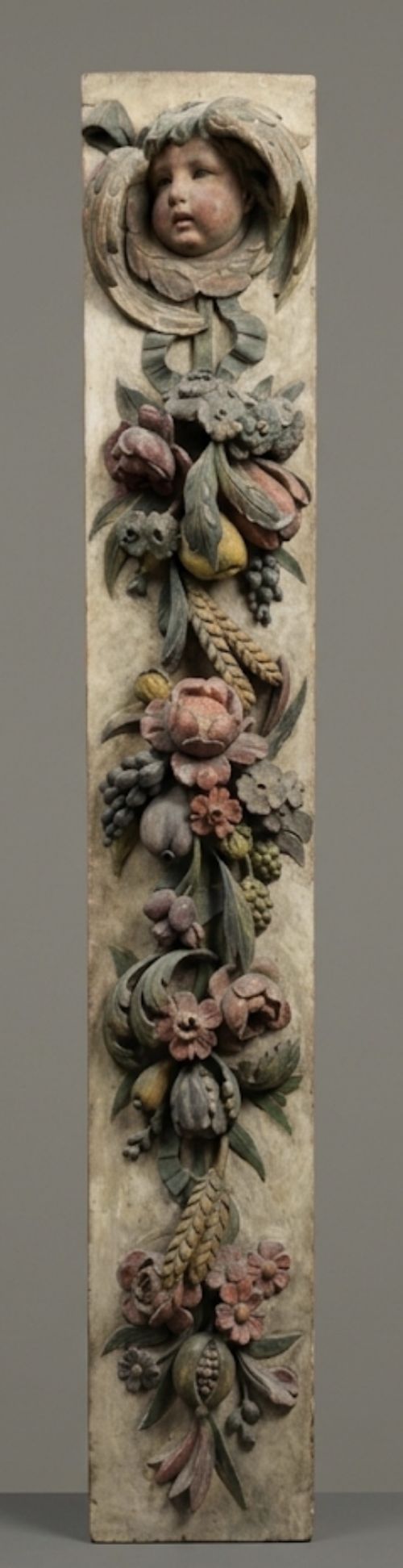
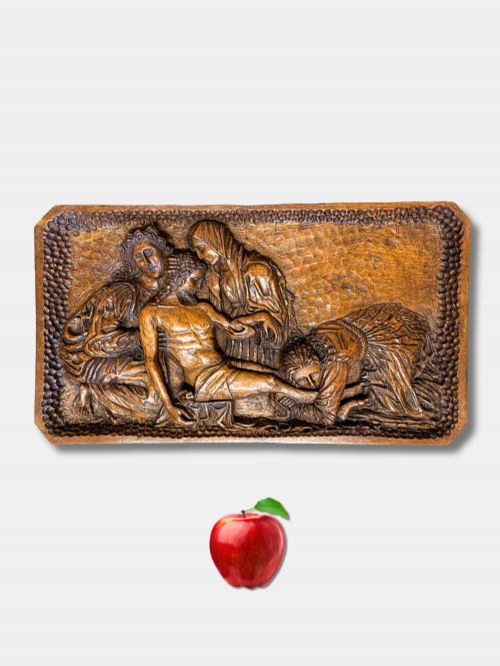
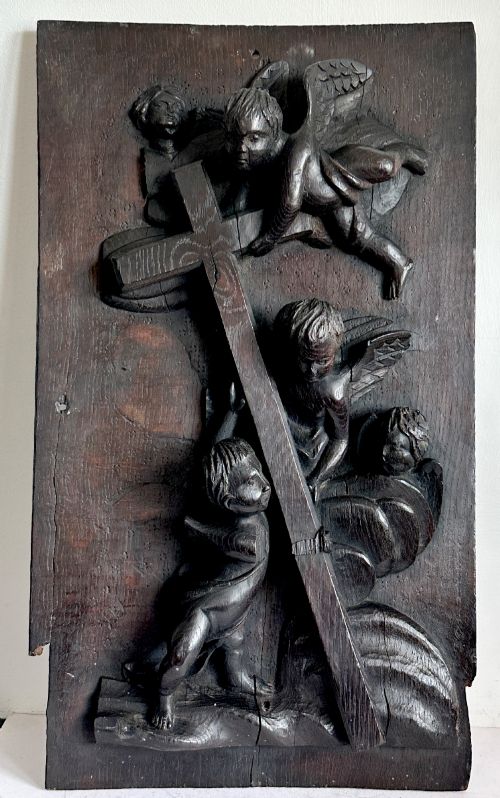
You are most likely to meet seventeenth-century oak panels and nineteenth-century decorative plaques on this page. These forms frequently depict religious narratives, classical figures, heraldic crests or floral garlands intended for interior walls and overdoors.
How they were made
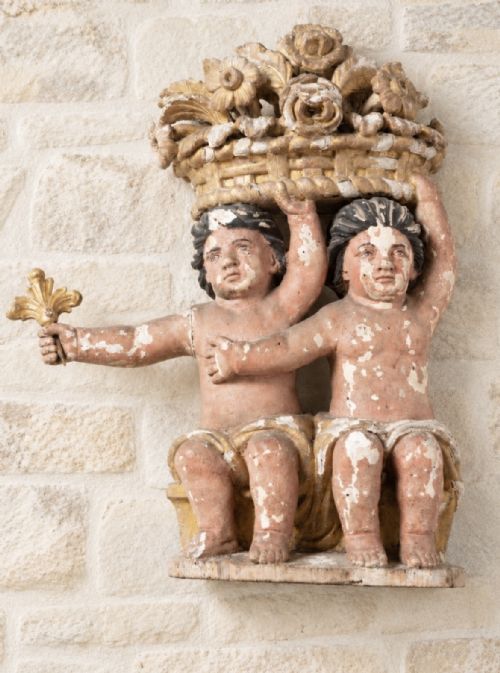
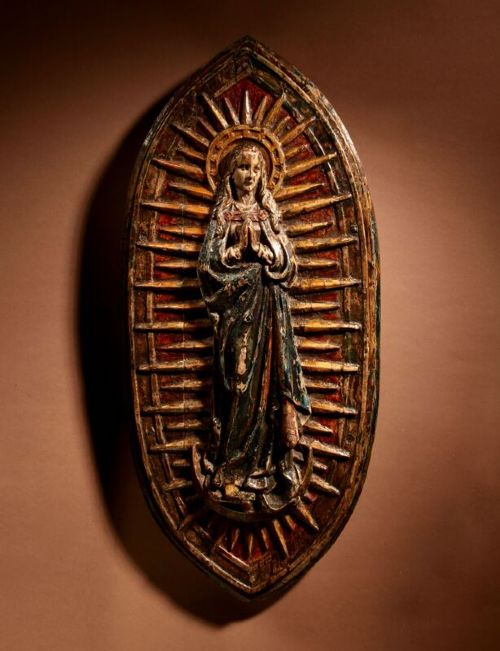
Carvers shaped these works primarily from dense hardwoods like oak, walnut and chestnut using gouges and chisels to achieve varying depths of projection. Many earlier surfaces received layers of gesso, polychrome paint or gold leaf to enrich the visual impact.
Later nineteenth-century and Black Forest pieces utilise deep undercutting to create highly tactile animal and botanical forms. Artisans worked directly along the grain, leaving tool marks that reveal the hand-chiseled nature of the construction.
Carved Wooden Relief Sculpture Retail Price Guide 2026
Typical asking prices for carved wooden relief sculpture among the pieces listed under this phrase on Sellingantiques today, from the lower quarter to the upper quarter. They describe what is for sale here now, not the wider market.
The styles represented include Baroque, Gothic, Renaissance, Black Forest and Grand Tour interpretations spanning the sixteenth to the twentieth centuries.
What varies in quality
The distinction between ordinary and exceptional works rests on the depth of the carving and the anatomical precision of the figures. Master carvers achieved fluid drapery and expressive faces that stand clear of the background timber without stiffness.
Compositional balance and the preservation of original surface finishes dictate desirability. Pieces retaining early polychrome paint or gilding command attention because chemical alterations and later overpainting obscure the original hand.
Edward Pearce
The Carved Wooden Relief Sculpture Glossary
- Relief
- Sculpture in which figures project from a flat background. High relief involves figures emerging strongly from the plane, while low relief stays closer to the surface.
- Gesso
- A plaster mixture applied to wood as a smooth base for painting or gilding. This compound allows fine detail work across ecclesiastical panels.
- Polychrome
- Decorated in a variety of colours. Painted wooden sculptures frequently display remnants of these original pigments beneath layers of age.
- Corbel
- A structural piece of stone or timber projecting from a wall to carry a weight. In wood, these often take figurative forms like medieval heads.
- Overdoor
- A decorated panel placed above a doorway. These architectural elements frequently display carved garlands, putti or heraldic shields.
Carved Wooden Relief Sculpture: Frequently Asked Questions
How were carved wooden panels used originally?
These sculptures functioned primarily as architectural elements within churches, noble homes and civic buildings. They adorned altarpieces, overdoors, wall panels and furniture assemblies to display religious devotion or status.
Over time, many of these elements were removed from their original structures and preserved independently as wall art or decorative plaques.
How do I hang a heavy wooden relief?
Secure mounting requires attaching batten systems or heavy-duty mirror plates directly into the structural studs of a wall. Because many older panels utilise dense oak or chestnut, weight distribution is a primary concern during installation.
Ensure the hanging hardware engages with the wooden frame or solid backing rather than fragile decorative carvings or applied mouldings.
How do I tell seventeenth-century oak from later copies?
Early oak displays characteristic medullary rays, often called silver grain, visible across the surface from quarter-sawing. Tool marks left by hand chisels rather than mechanical saws provide clear evidence of age.
Surface patination develops deep wax accumulation and oxidation in recessed areas over centuries of exposure to domestic environments.
How should I care for antique wood carvings?
Maintain stable relative humidity and keep carvings away from direct heat sources to prevent the timber from splitting or warping. Dust gently with a dry, soft brush rather than using wet cloths or liquid polishes.
Applied finishes like polychrome paint and gesso are particularly sensitive to moisture and benefit from minimal handling.