





Early 20th Century Dog
An early 20th century dog brings character to a room through diverse sculptural forms and paintings capturing canine spirit.
Early 20th Century Dog
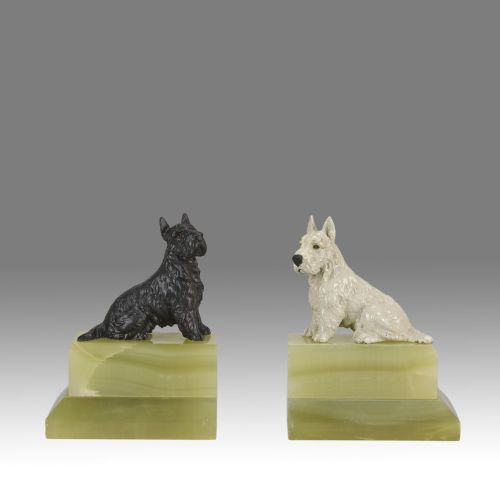
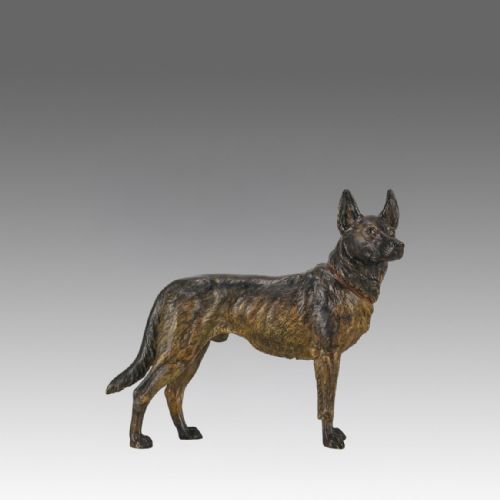
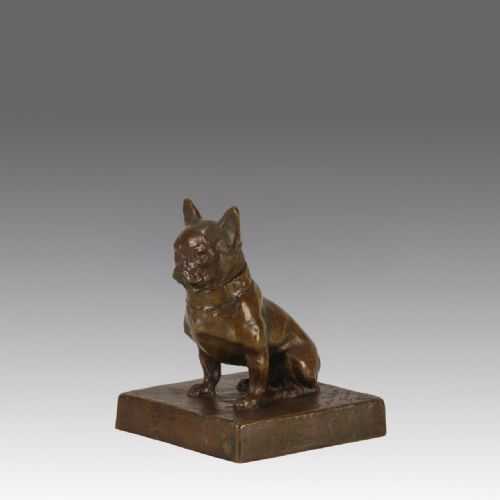
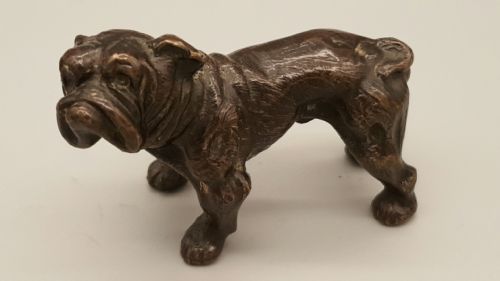
When you search for an early 20th century dog, you encounter a wide variety of depictions spanning sculptures, paintings, and functional objects. These pieces capture specific breeds like terriers, pugs, and Alsatians across the Edwardian and Art Deco periods.
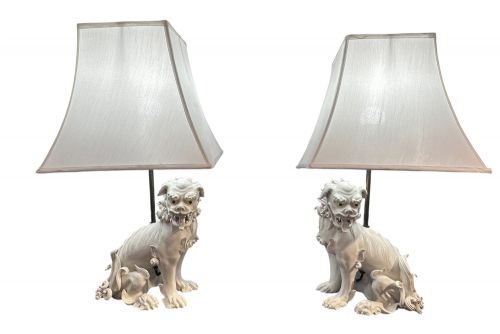
The selections on this page range from cold-painted bronze figures and oil portraits to taxidermy and porcelain lamps. Animalier bronzes and oil paintings form a significant portion of the available items.
Objects originate from diverse makers and regional traditions, including Austrian cold-painted bronzes, French animalier sculptures, and Chinese porcelain interpretations. This breadth allows collectors to find works ranging from bookends to large oil canvases.
Materials and techniques
Bronzes are cast utilising traditional foundry methods, frequently enhanced with cold-painted polychrome details as seen in Austrian works. Gilding and gold leaf also appear on metal studies and temple figures.
Oil paintings utilise canvas or wood panels, capturing distinct canine coats and expressions with fine brushwork. Porcelain and glass pieces demonstrate high-temperature firing and moulding techniques typical of the period.
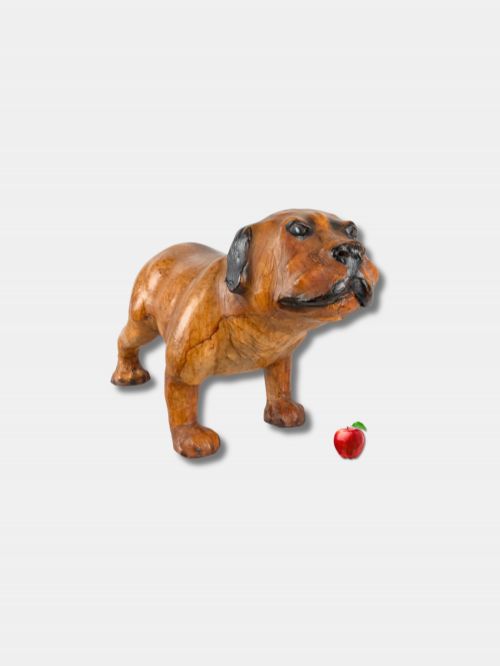
Organic materials receive careful preservation or shaping, observed in taxidermy specimens and leather footstools constructed over internal frames.
Listings feature canine depictions across bronze, porcelain, wood, and oil paintings from various international workshops.
Qualities that separate the range
For oil paintings, the depth of character captured in the dog's expression and the handling of light across the coat determine the artistic merit. Signed works by established painters or sculptors carry distinct provenance.
Condition plays a part, particularly the retention of original cold-painted surfaces without touch-ups, or the crisp preservation of porcelain glazes and glass plates.
Franz Bergman·Dora Heber·Omersa For Liberty·Hutchings of Aberystwyth·Louis Riche·René Lalique·Edith Parsons·Foucher·LM Webb·E Tyrell·David W Haddon·Mabel Lucie Attwell·Fedor Van Kregten
The Early 20th Century Dog Glossary
- Animalier
- A nineteenth and early twentieth century artistic movement focused on the realistic depiction of animals. Sculptors in this tradition studied anatomy closely.
- Cold-painted bronze
- Metal sculptures painted with oil or enamel paints after casting rather than fired in a kiln. This technique allows for intricate colouration on small figures.
- Blanc de Chine
- A Chinese white porcelain produced at Dehua, known for its milk-white glaze. It frequently appears in figures of temple lions and dogs.
- Dog of Fo
- Also known as a Foo dog, these are traditional Chinese guardian lions styled after dogs. They appear in pairs in porcelain, bronze, and stone.
- Spelter
- An alloy of zinc and copper used as a substitute for bronze in decorative figures. It takes patination well but is lighter and softer than true bronze.
Early 20th Century Dog: Frequently Asked Questions
What is an animalier sculpture?
Animalier sculpture refers to nineteenth and early twentieth century artworks focused specifically on the lifelike portrayal of animals in motion or repose. Artists sought to capture muscular structure and individual temperament rather than idealised forms.
These pieces were produced extensively across Europe, particularly in France and Austria, using bronze and other metals.
How were dog bookends used?
Dog bookends served a practical domestic purpose on libraries, desks, and mantelpieces to keep volumes upright while introducing decorative canine motifs to the interior. Heavy metals like bronze provided the necessary weight to support rows of books.
They often featured popular breeds of the era, reflecting the owners' personal preferences or pet ownership.
Are porcelain foo dogs the same as dogs?
Foo dogs are actually stylised guardian lions rooted in Chinese tradition, though their common English name links them to canine forms. They were placed at thresholds and temples to provide spiritual protection.
In decorative arts, they appear as glazed porcelain figures, lamp bases, and bronze pairs dating from the late nineteenth into the twentieth century.