



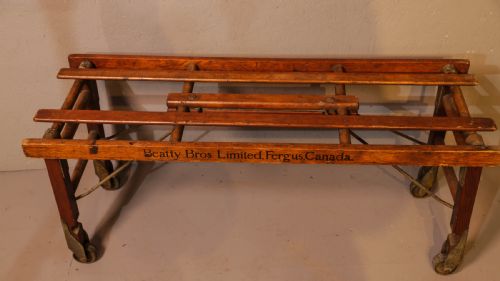


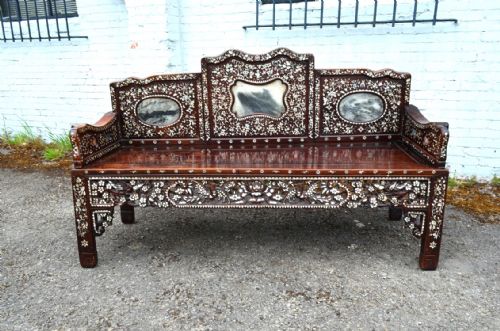


Early 20th Century Bench
An early 20th century bench brings robust utility and vernacular charm into modern interiors through time-tested timber and iron forms.
Forms and Origins
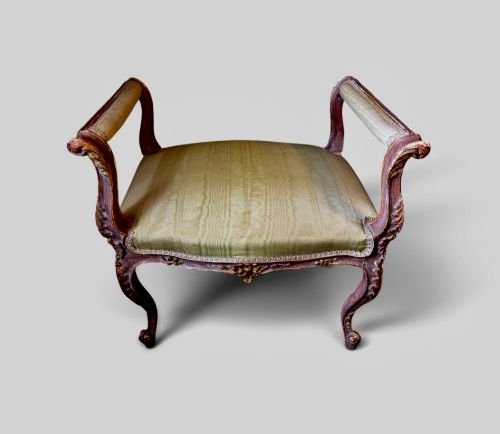
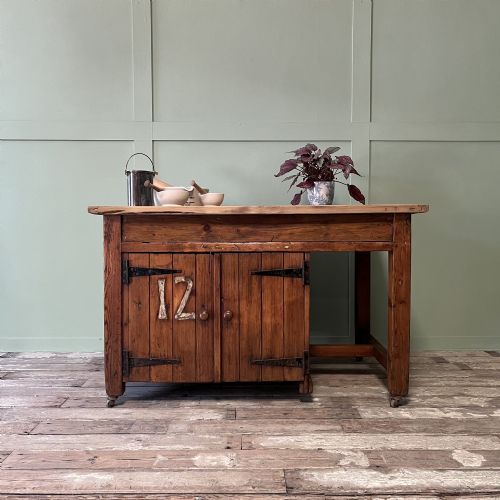
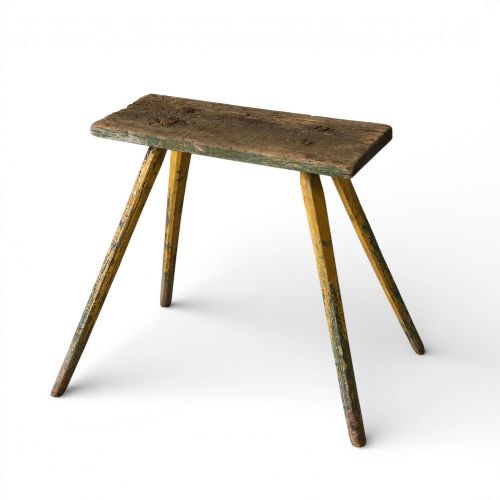
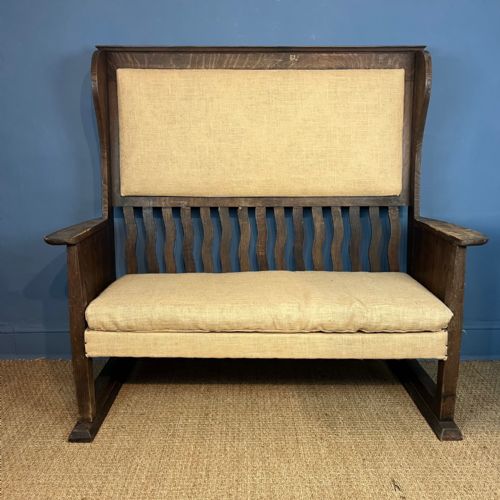
An early 20th century bench encompasses a diverse array of seating, from sturdy oak monks benches and provincial elm trestles to ornate giltwood window seats and cast iron garden benches. Buyers searching this phrase encounter pieces spanning domestic hallways, rustic country kitchens, and outdoor spaces.
Materials and Construction
Carpenters and makers utilised solid woods such as oak, elm, pine, birch, walnut, and mahogany, often pairing them with organic rush seating or silk upholstery. Structural integrity relied on traditional joinery methods suited to heavy daily domestic use or exterior weathering.
Metal elements appear in cast iron garden frames and industrial workshop pieces designed for durability. Surface finishes range from carved ornamentation and lacquered hardwood to painted pine and gilded treatments.
Retail Price Guide 2026
Typical UK retail prices for early 20th century bench, calculated from the Sellingantiques database of over a million retail prices indexed since 2003. This retail price guide relies exclusively on Sellingantiques data; no external sources or auction records are used, so the figures do not describe the wider market.
Materials recorded in these listings include solid pine, oak, elm, birch, walnut, mahogany, teak, cast iron, silk, and giltwood.
Distinctions in Standard
Quality diverges between utilitarian workshop output and ambitious decorative commissions intended for formal interiors. Finer examples display meticulous hand-carving, select hardwoods like walnut or figured mahogany, and intact period upholstery or gilding.
Regional vernacular pieces demonstrate varying degrees of joinery refinement and timber selection, where dense old-growth pine, elm, or oak distinguishes superior vernacular survivals from plain utility items.
Bayliss Jones Wolverhampton·Coalbrookdale
The Early 20th Century Bench Glossary
- Monk's bench
- A convertible piece of furniture featuring a hinged back that folds down over the arms to form a table top. This dual-purpose design proved especially popular in smaller domestic spaces.
- Settle bench
- A high-backed wooden bench with solid sides and arms designed to block draughts in hallways and kitchens. Under-seat storage compartments frequently accompany these substantial items.
- Giltwood
- Timber treated with a thin layer of gold leaf applied over a prepared gesso surface. This decorative finish appears on refined window seats and interior decorative benches.
- Rush seat
- Woven seating material constructed from dried marsh rushes twisted into cords. Country chairs and benches commonly utilise this traditional textile technique.
- Metamorphic
- Describing furniture designed to transform into an alternative form, such as a bench converting into a table. Ingenious mechanisms allow these pieces to shift function seamlessly.
Frequently Asked Questions
What is a monk's bench used for?
A monk's bench served as a dual-purpose item providing both seating and a flat surface when the backrest folded forward.
Historically placed in hallways or parlours, it maximised space in compact domestic interiors.
How do I identify a garden bench from this period?
Early 20th century garden benches typically employ heavy teak, painted pine, or ornate cast iron frames reflecting period foundry designs.
Weathered patinas and traditional slat construction distinguish these outdoor survivals from modern reproductions.
Where were provincial elm benches made?
Provincial elm benches originated across rural European workshops, notably in France and Britain, utilising locally felled hardwood.
Local craftsmen relied on sturdy timber and straightforward joinery to withstand rigorous daily farm and village use.
Can I use an indoor wooden bench outside?
Indoor wooden benches lack the weather-resistant treatments and durable finishes required to withstand moisture and fluctuating outdoor temperatures.
Exposing interior timbers like polished oak or delicate giltwood to exterior elements will cause structural degradation.