



Early 19th Century Silver
Early 19th century silver encompasses objects ranging from solid sterling snuff boxes to Old Sheffield plated wine coolers created during the Georgian and Regency periods.
Early 19th Century Silver
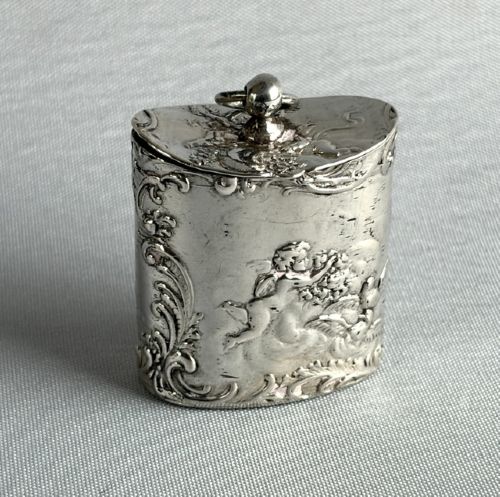
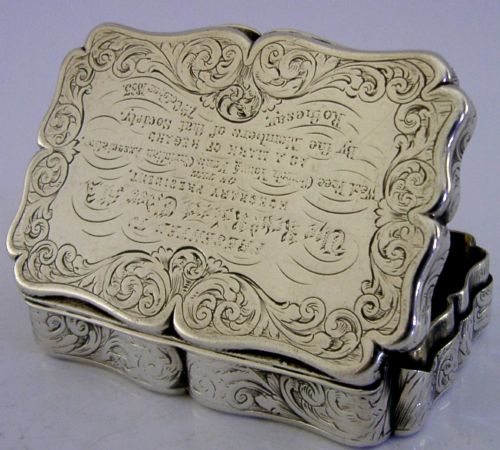
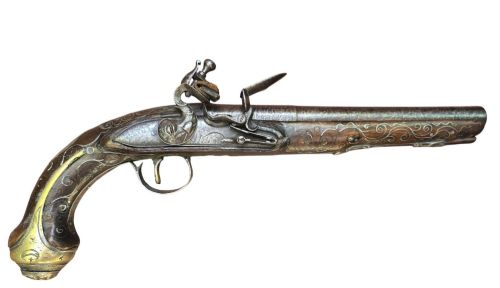
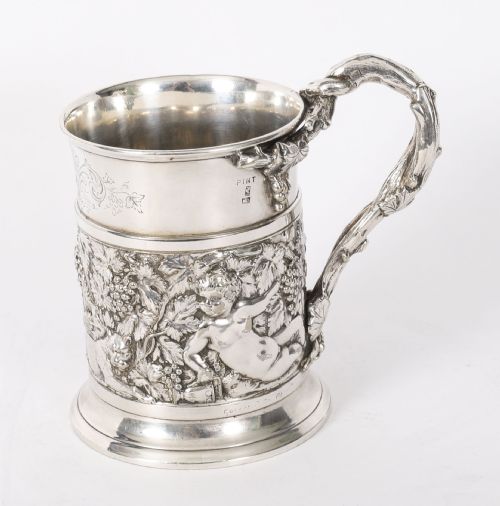
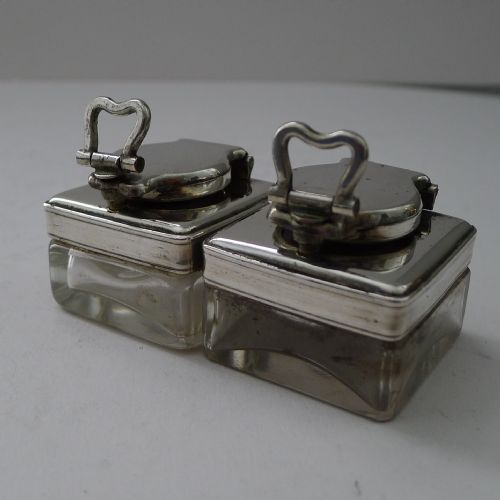
Early 19th century silver covers items produced during the Georgian, Regency, and early Victorian eras, spanning diverse domestic and personal objects. Buyers encounter utilitarian and decorative pieces alike, from wine coolers and chamber candlesticks to scent bottles, inkwells, and snuff boxes.
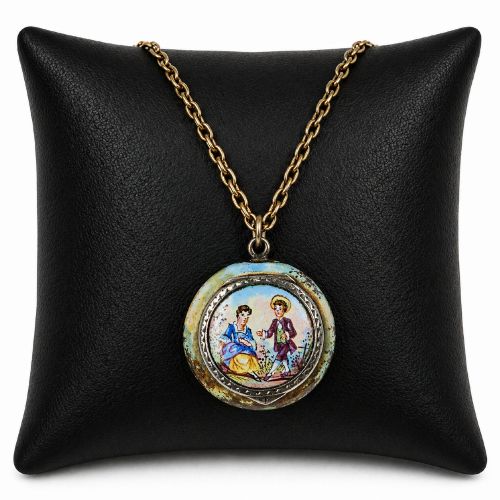
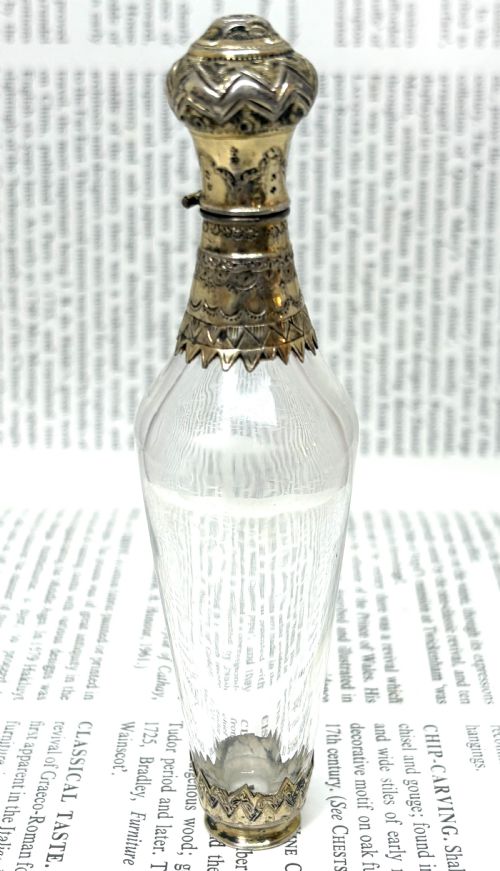
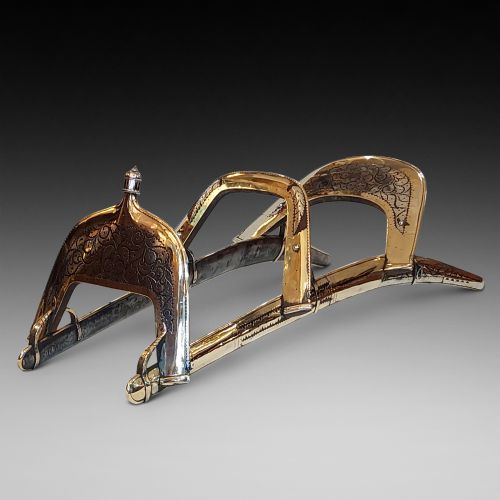
The material expression varies widely beyond solid sterling, frequently incorporating silver plate, Old Sheffield plate, and silver-gilt mounted items. Continental and regional variations, including Dutch boxes, French scent bottles, and Indian wirework, appear frequently alongside British pieces.
Materials and construction methods
Manufacturing methods rely on traditional silversmithing techniques such as casting, embossing, and hand engraving, alongside specialised plating processes like Old Sheffield plate where silver is fused to a copper core. Many utilitarian items incorporate mixed media, combining silver with horn, glass, tortoise-shell, wood, and brass.
Makers utilised hallmarks and punch marks to indicate metal purity and origin, though unmarked silver plate and Old Sheffield items depend on construction details like visible copper seams for identification.
Early 19th Century Silver Retail Price Guide 2026
Typical asking prices for early 19th century silver among the pieces listed under this phrase on Sellingantiques today, from the lower quarter to the upper quarter. They describe what is for sale here now, not the wider market.
Assessing quality in early silver
Quality rests in the crispness of the chased or embossed detail and the integrity of construction, such as heavy gauge metal versus thin plating that reveals base metals underneath. Superior items maintain original components, uncompromised hallmarks, and crisp engraving rather than smoothed surfaces from over-cleaning.
The sophistication of design distinguishes standard production pieces from exceptional ones, particularly in cast decorative elements on items like chamber candlesticks and wine coolers.
G R Collis·Paul Garnier·Le Roy et Fils·Malacrida of Dublin
The Early 19th Century Silver Glossary
- Old Sheffield Plate
- A fused composite material made by melting a sheet of silver onto a heavier copper core, popular for tableware before electroplating. This technique leaves a characteristic thin silver layer that sometimes reveals the underlying copper at high-wear edges.
- Silver-gilt
- Silver that has been coated with a thin layer of gold on its surface, often called vermeil. This treatment protects the silver from tarnishing and adds a rich golden interior to items like scent bottles and boxes.
- Snuff Mull
- A container made from a ram's or animal horn mounted with silver, used for holding dry snuff. Scottish examples often feature hinged silver lids and decorative stone insets.
- Hallmark
- An official stamp applied by an assay office to guarantee the fineness of precious metal content. These marks identify the maker, city of origin, and year of manufacture.
Early 19th Century Silver: Frequently Asked Questions
How do I clean early silver safely?
Clean solid silver and plate gently using a soft cloth and a specialised non-abrasive silver polish to preserve delicate engravings and hallmarks.
Avoid harsh dipping solutions, which strip away accumulated patination and can damage mixed-media elements like horn, tortoise-shell, or glass components.
What is the difference between sterling and silver plate?
Sterling silver denotes a specific high standard of solid silver alloy, whereas silver plate applies a thin layer of silver over a base metal such as copper or brass.
Items made with Old Sheffield plate show a distinctive copper seam where the metals fuse, separating them from nineteenth-century electroplated pieces.
How can I tell a Regency piece from a Victorian one?
Regency items generally display neoclassical restraint, clean lines, and classical motifs like campana shapes, reflecting early nineteenth-century design tastes.
Victorian pieces from later in the period often feature heavier, more ornate embossing and floral decoration as manufacturing techniques advanced.
Were these items meant for daily use?
Many objects from this era, such as travelling inkwells, campaign cutlery, and snuff boxes, served practical, everyday functions for travellers and households alike.
Larger decorative items like wine coolers and compotes were reserved for formal dining and entertaining.