




Early 19th Century Bottle
An early 19th century bottle offers a tangible link to Georgian and Regency daily life, ranging from practical chemist jars to ornate scent vessels.
Early 19th Century Bottle
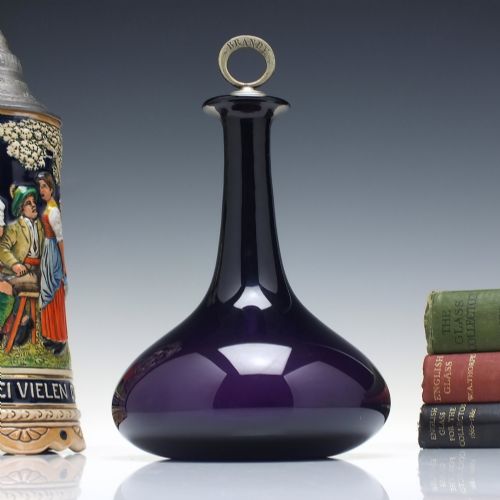
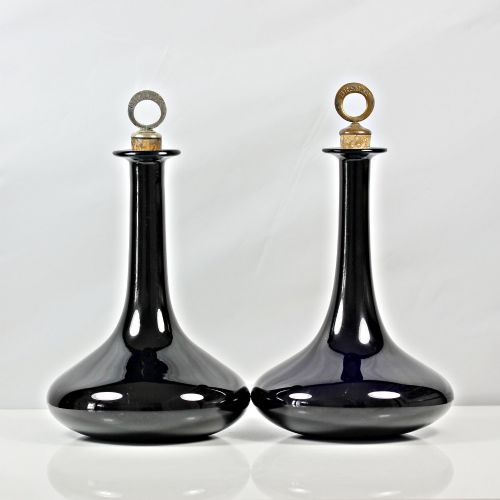
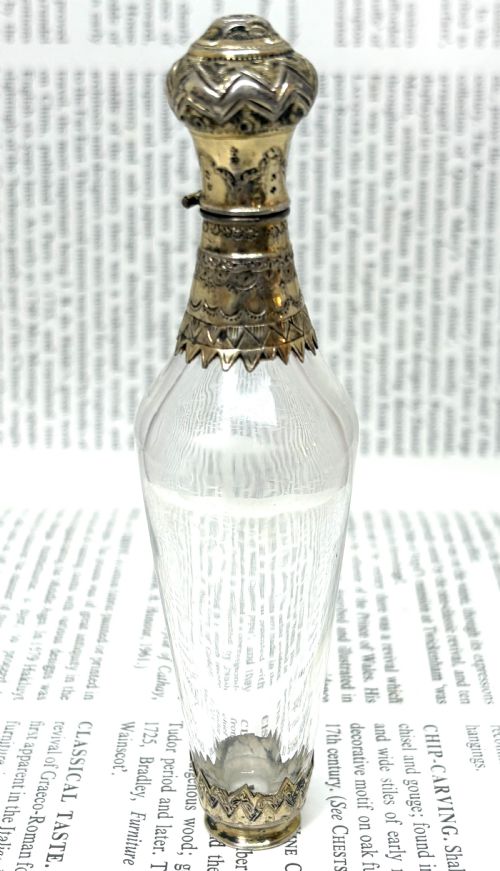
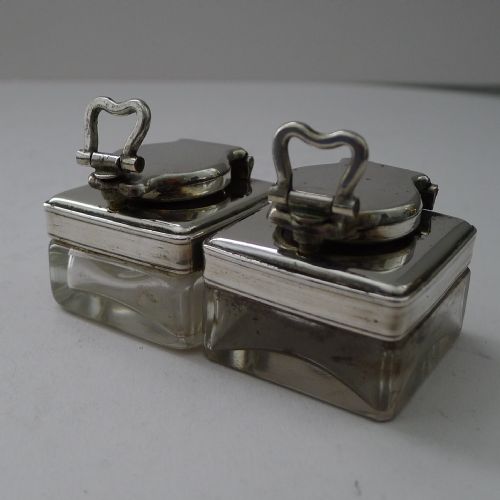
When you examine an early 19th century bottle on this page, you encounter a diverse group of functional and decorative vessels spanning the Regency and Victorian eras. The selection includes glass decanters, scent bottles, chemist jars, and travel inkwells alongside related barware like wine coolers and cellarettes.
You are most likely to meet glass decanters and scent bottles alongside mahogany wine coolers and apothecary travelling cases housing internal bottles. These pieces reflect the domestic, medical, and social habits of the period, executed in materials from clear and coloured glass to turned oak and brass-bound mahogany.
How they were made
Makers utilised traditional craftsmanship, blowing and cutting glass into rich colours like Bristol blue and amethyst, or mounting vessels in silver gilt, silver plate, and bronze. Wooden pieces, particularly mahogany and oak wine coolers, incorporate brass banding, metal linings, and bone roundrels.
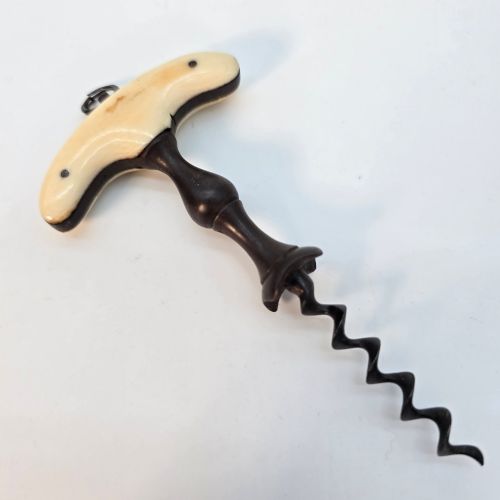
Decoration involved delicate surface treatments, including painted details, japanned tin-ware, and gold leaf. Travel cases and apothecary boxes feature fitted interiors constructed from wood to secure fragile glass bottles during transit.
A tiny sailing ship spent years permanently confined inside a glass bottle during the 1930s.
What varies in quality
The sophistication of the glass cutting and the purity of the metal mounts distinguish finer items from standard utility pieces. Rich colour saturation in glass, such as deep amethyst or Bristol blue, adds to visual depth.
The quality of cabinetry in wooden items like cellarettes and apothecary cases, seen in the choice of mahogany, precise brass binding, and intact fitted drawers, separates workshop pieces from simpler containers.
Gillows of Lancaster and London·Jacob Petit·Chamberlain Worcester
The Early 19th Century Bottle Glossary
- Cellarette
- A lockable container used for storing wine bottles near the dining table. They frequently appear in mahogany during the Regency period.
- Japanned
- A style of European decorative finishing that imitates Japanese lacquer work. It involves layers of dark varnish applied to tin-ware.
- Mell
- A traditional term used to describe a specific bulbous shape of glass decanter. These often feature rich colouration.
- Apothecary
- Pertaining to the preparation and sale of medicines. Travelling cases often contain specialised glass bottles for liquid remedies.
- Silver gilt
- Silver that has been coated with a thin layer of gold on its surface. This technique provides a rich metallic finish.
Early 19th Century Bottle: Frequently Asked Questions
What were early 19th century bottles used for?
These vessels served diverse domestic and professional functions, from storing fine wines and serving spirits to holding delicate perfumes and medical tinctures.
Travellers also utilised fitted cases with glass bottles for personal grooming and writing equipment while on the move.
How do I identify a Regency wine cooler?
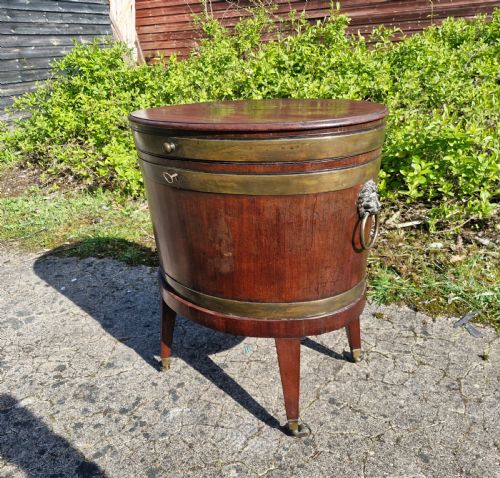
Regency wine coolers and cellarettes typically feature solid mahogany construction enhanced by brass banding and metal linings for ice.
Many examples stand on robust feet or incorporate recessed brass carrying handles for positioning beside the dining table.
Are apothecary bottles marked?
Some travel cases and chemist jars retain original paper labels indicating the maker or the specific contents once stored inside.
Mounts in silver or bronze occasionally carry hallmarks or maker stamps that help anchor the production date.
How should I care for antique glass?
Display glass bottles away from direct sunlight and extreme temperature fluctuations to protect the integrity of the material.
Clean surfaces gently with a soft, dry cloth and avoid harsh chemical immersion, particularly on pieces with painted decoration or gold leaf.