



Early 18th Century Oak
Early 18th century oak brings tactile warmth and enduring utility to interiors, uniting centuries-old craftsmanship with practical domestic forms.
Early 18th Century Oak
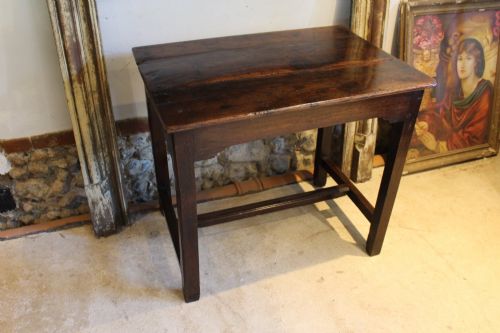
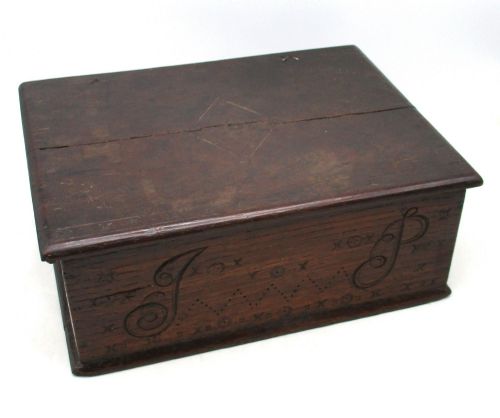
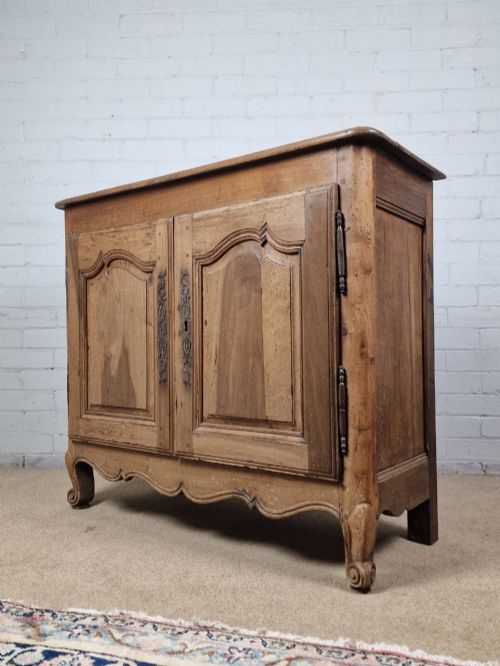
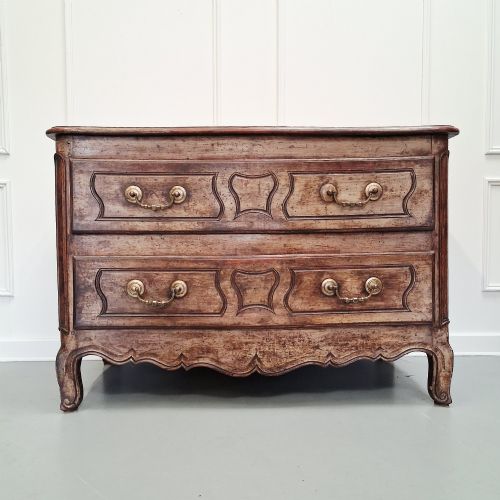
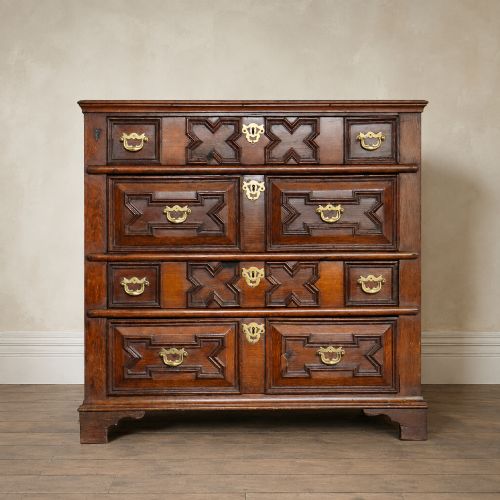
Early 18th century oak encompasses robust utilitarian furniture and domestic items made during the reigns of William and Mary, Queen Anne, and George I. Buyers encounter functional forms designed for storage and daily living, including coffers, chests of drawers, dressers, and tables.
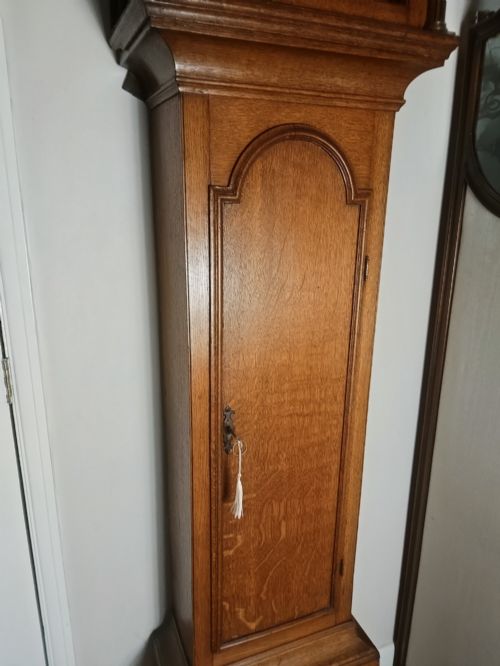
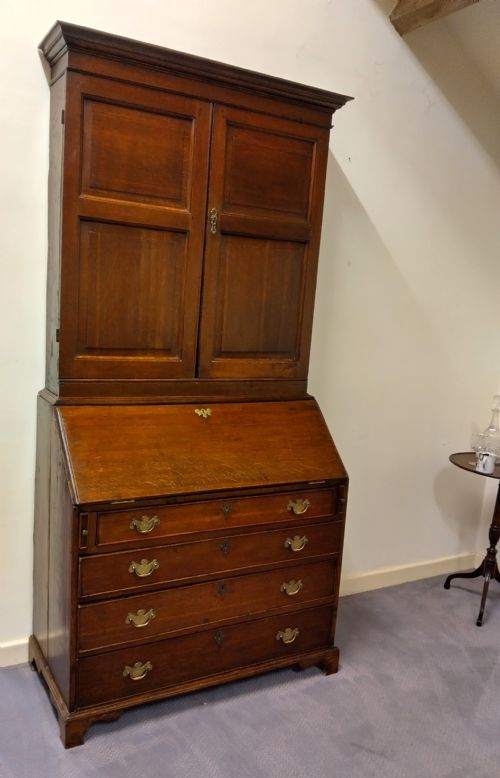
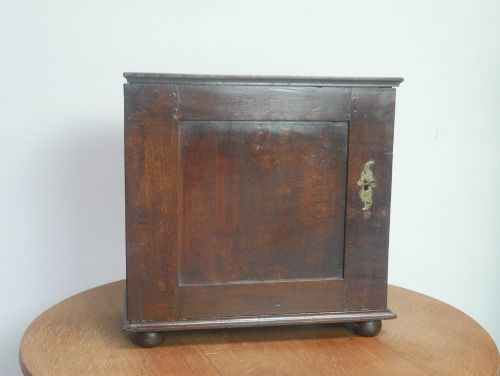
The surviving pieces reflect both refined urban cabinetmaking and sturdy country craftsmanship. Domestic items such as spice cupboards, joint stools, and side tables frequently appear alongside grander bureau bookcases and longcase clocks.
Regional variations emerge clearly across these survivals, showing distinct stylistic traits from English, Welsh, and French workshops. The category bridges the transition from heavy seventeenth-century joinery to more graceful eighteenth-century proportions.
Materials and construction techniques
Joiners and cabinetmakers relied primarily on native timber, selecting oak for its strength alongside secondary woods like elm, fruitwood, and walnut. Panels were typically frame-and-panel construction, allowing the wood to expand and contract naturally with seasonal humidity changes.
Iron and brass hardware, including hinges, drop handles, and escutcheons, secured and decorated functional items like coffers and chests. Joints relied heavily on mortise and tenon pegged with wood, ensuring structural stability without relying on modern adhesives.
A naive carved wooden toy horse and an apothecary crusher stand out among the heavy furniture.
Evaluating quality and authenticity
Quality rests in the integrity of the surface and the retention of original components. Pieces that retain their original feet, handles, and timber patination command greater regard than those with extensive surface stripping or replaced structural elements.
Carving depth and execution separate standard provincial output from finer urban cabinetwork. Crisp geometric mouldings and well-proportioned drawer construction indicate skilled workmanship within the period.
The Early 18th Century Oak Glossary
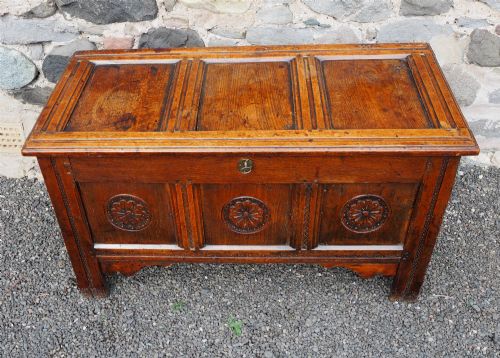
- Coffer
- A heavy wooden chest used for storage, often featuring panelled construction and carved decoration. These box-like receptacles served multiple domestic purposes before dedicated wardrobes became common.
- Joint stool
- A sturdy wooden stool built with pegged mortise and tenon joints rather than turned legs alone. They provided flexible seating around the dining table or served as small side stands.
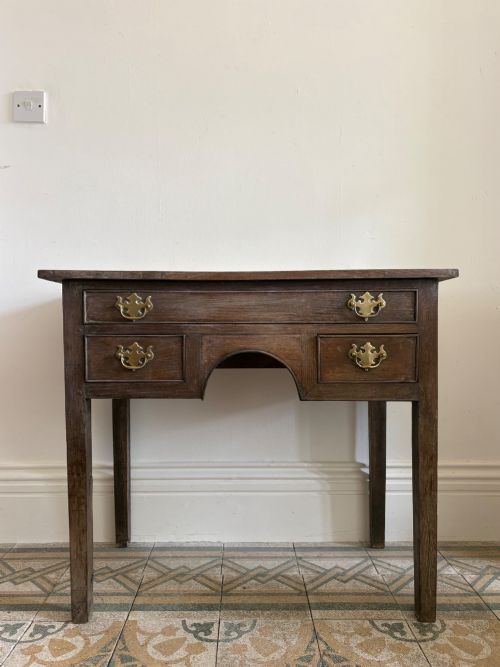
- Lowboy
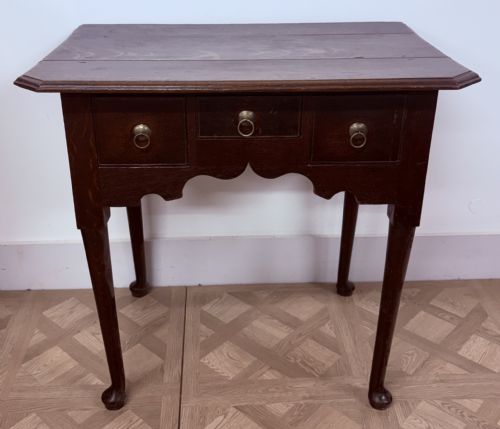
- A small side table with one or more drawers, typically standing on slender legs associated with the Queen Anne and early Georgian periods. They frequently functioned as dressing tables or writing desks.
- Tridarn
- A traditional Welsh piece of furniture featuring three tiered sections used for displaying and storing food and tableware. They represent an ambitious scale of regional vernacular cabinetmaking.
- Dresser base
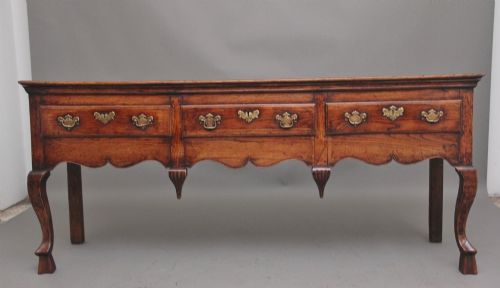
- A long low sideboard with drawers and sometimes open potboards below, designed for food preparation and storage in large kitchens. These items anchor traditional dining and kitchen spaces.
Early 18th Century Oak: Frequently Asked Questions
How do I care for antique oak furniture?
Maintain stable indoor humidity and avoid placing pieces near direct heat sources or strong sunlight, which dries out ancient timber. Apply a traditional beeswax polish sparingly to nourish the surface and preserve the natural sheen.
Clean surfaces regularly with a soft, dry cloth to remove dust without abrasive agents. Protect the wood from liquid spills by using coasters and mats during daily use.
Were these pieces used in everyday homes?
Domestic items from this era served essential daily functions for storage, food preparation, and seating in farmhouses, townhouses, and country cottages alike. Chests held linens and valuables, while tables accommodated family meals and daily household chores.
Their robust construction ensured they survived centuries of hard domestic use. Today, these same items easily integrate into modern living spaces as functional storage or display surfaces.
How can I distinguish period styles within this era?
Pieces made around 1700 often exhibit late seventeenth-century characteristics such as heavy geometric mouldings, panelled doors, and sturdy turned supports. Furniture from the subsequent Georgian and Queen Anne decades introduces curved cabriole legs, pad feet, and lighter overall proportions.
Regional differences also help identify origin, with Welsh and provincial English workshops maintaining traditional construction methods longer than metropolitan centres. Examining secondary woods and hardware provides further clues to dating and attribution.
What is patination and why does it matter?
Patination is the deep surface sheen and rich colour developed through decades of handling, waxing, and exposure to light. It acts as a visual indicator of age and authenticity that cannot be artificially replicated.
Surfaces retaining their original untouched finish hold greater historical integrity than stripped or heavily refinished timber. Collectors prize this aged skin for the tactile history and warmth it brings to the wood.