



Early 18th Century Metalware
Early 18th century metalware brings utilitarian domestic objects into the room, forged from copper, brass, pewter and iron to serve everyday domestic life.
Early 18th Century Metalware
Early 18th century metalware encompasses domestic and hearth equipment made from metals such as pewter, copper, brass, and iron during the 17th and 18th centuries. The objects recorded on this page range from kitchenware and lighting to drinking vessels and fire furniture.
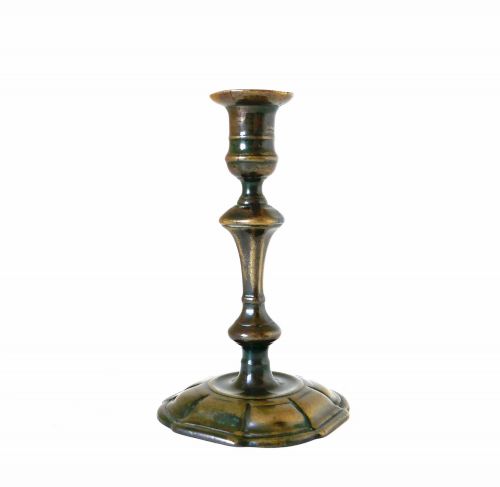
Buyers will most frequently encounter English and Continental pieces representing styles like Dutch Baroque, Queen Anne, and Georgian, alongside specific forms including candlesticks, braziers, and spirit measures.
These items were fashioned for practical households, serving distinct roles in cooking, lighting, and serving before mass production standardised domestic goods.
How they were made
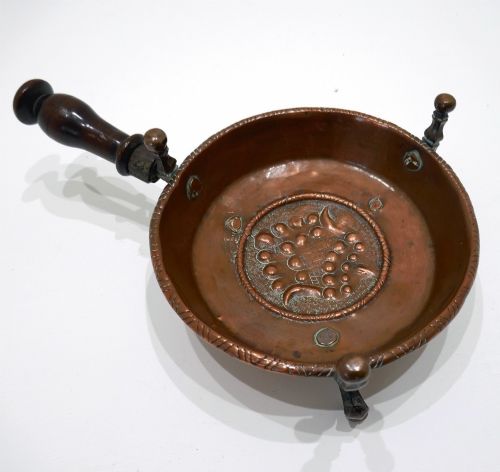
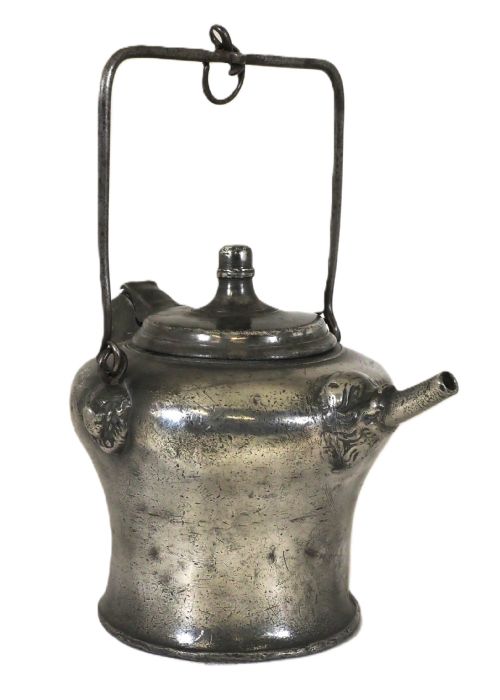
Makers shaped copper and brass into coffee pots, braziers, and ale tankards using hammering and joining techniques, frequently pairing metal bodies with turned fruitwood handles.
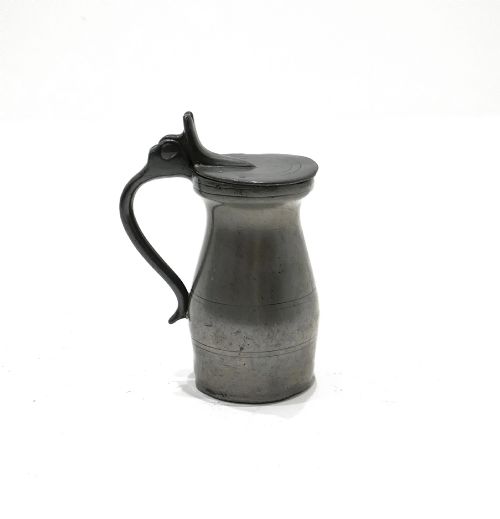
Pewter objects such as chargers, beakers, and spirit measures were cast in moulds and finished by hand, utilising tin alloys proportioned for daily use.
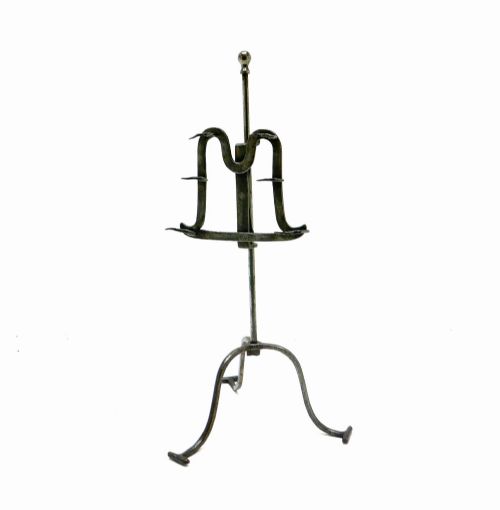
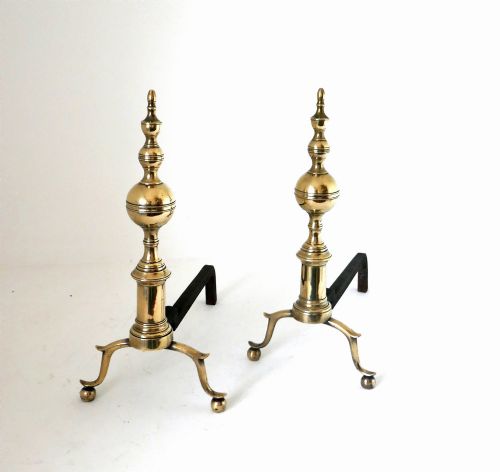
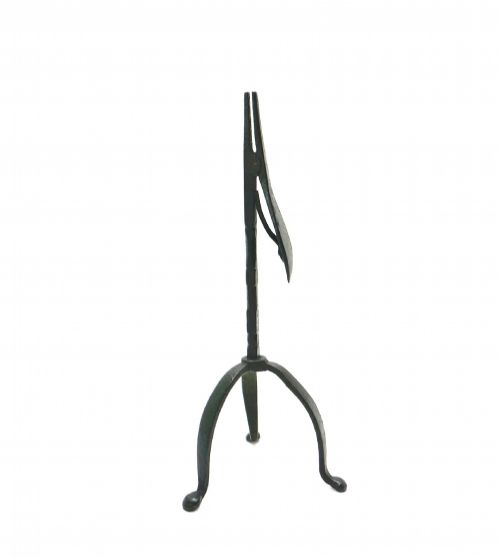
Lighting and hearth equipment combined wrought iron and brass, utilising blacksmithing methods to create functional spring-action rushlight holders and heavy andirons.
Early 18th Century Metalware Retail Price Guide 2026
Typical asking prices for early 18th century metalware among the pieces listed under this phrase on Sellingantiques today, from the lower quarter to the upper quarter. They describe what is for sale here now, not the wider market.
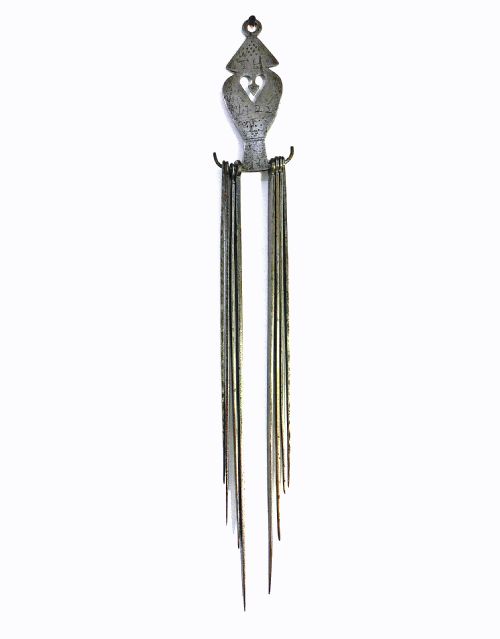
Meat skewers came in full sets accompanied by engraved holders, proving that even roasting tools deserved a designated home.
What varies in quality
Quality rests upon the crispness of the original cast or hammered form and the survival of untouched surface patination, rather than strict uniformity.
Pieces that retain original components, such as turned fruitwood handles on copper vessels or precise engravings like dated inscriptions, command greater historical interest.
The integrity of construction separates basic utilitarian survivors from items displaying refined proportions and deliberate decorative detailing by period makers.
The Early 18th Century Metalware Glossary
- Brazier
- A portable metal container designed to hold burning coals or charcoal for heating rooms or warming food. Examples often feature turned wooden handles and copper bodies.
- Spirit measure
- A standardised vessel used for containing and dispensing alcoholic spirits. Early examples include half-gill capacities with flat pewter lids.
- Rushlight holder
- A lighting device utilising a spring-action mechanism in wrought iron to grip a dried rush dipped in animal fat. These were common for domestic illumination.
- Andiron
- A horizontal iron support used in pairs inside a fireplace to elevate logs for better air circulation. They often incorporate brass finials and decorative ironwork.
- Dog nose spoon
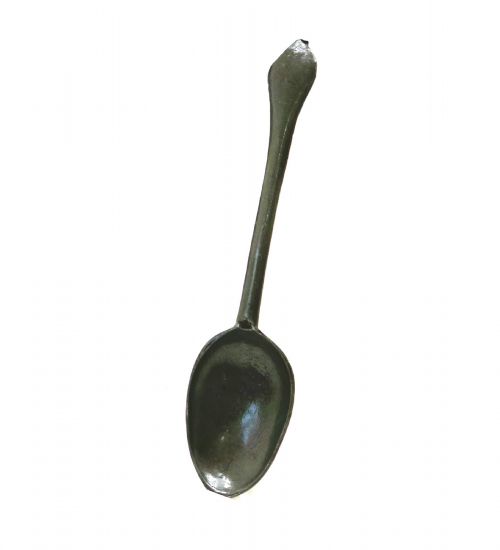
- An early dining implement characterised by a broadened, notched terminal handle shape popular in the late 17th and early 18th centuries.
Early 18th Century Metalware: Frequently Asked Questions
What are early 18th century metalware pieces?
These are utilitarian and decorative domestic objects constructed from copper, brass, pewter, iron, and bronze during the 17th and 18th centuries.
They include kitchen utensils, lighting devices, drinking vessels, and hearth furniture designed for daily household tasks.
How were these metal items used?
Households utilised them for cooking, heating, lighting rooms, and serving food and drink.
Items like rushlight holders provided illumination, while braziers and andirons managed hearth warmth and food preparation.
How do I live with antique metalware?
Antique metal objects integrate easily into modern interiors by serving as display focal points on tables, shelves, or mantelpieces.
Minimal intervention is required for care; dusting and preserving the natural historical patination maintains their character.
How can I tell periods apart?
Periods are distinguished by shifts in manufacturing techniques, material choices, and stylistic influences such as Dutch Baroque or Georgian.
Examining construction marks, handle types, and form evolution helps place an object within the 17th or 18th century.