

Dutch Still Life Artwork
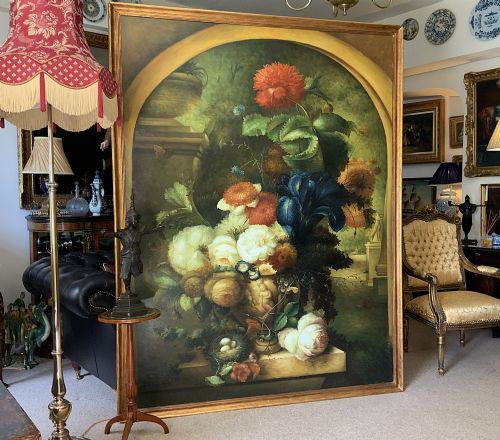
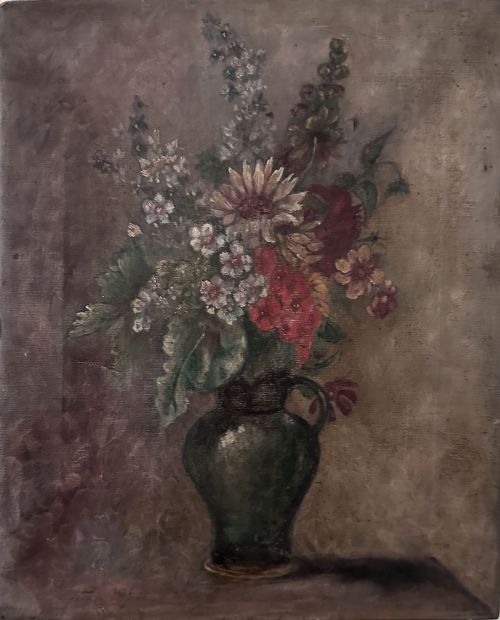
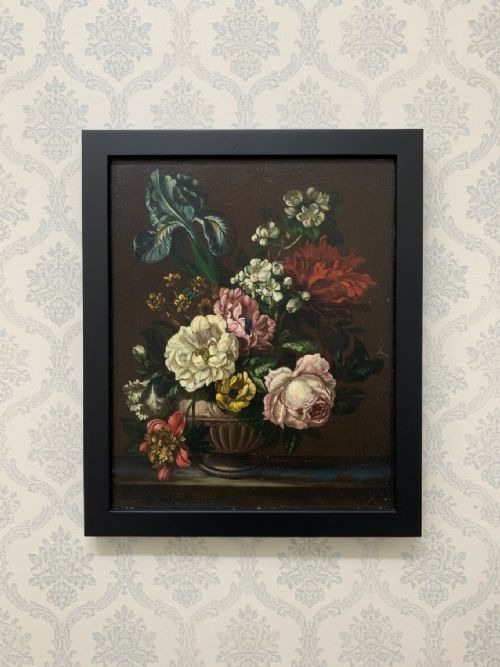
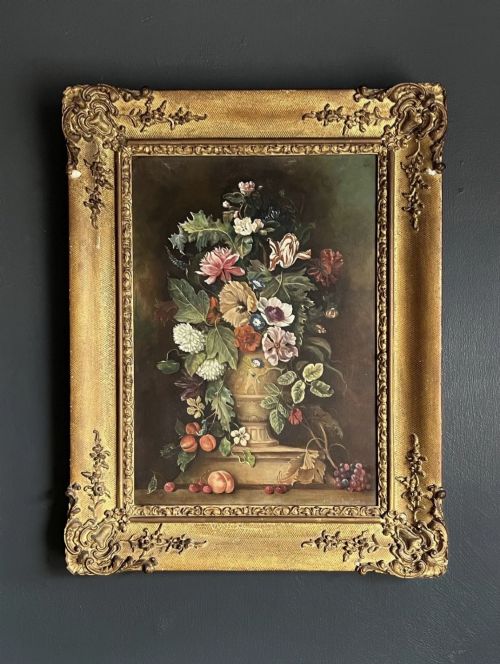
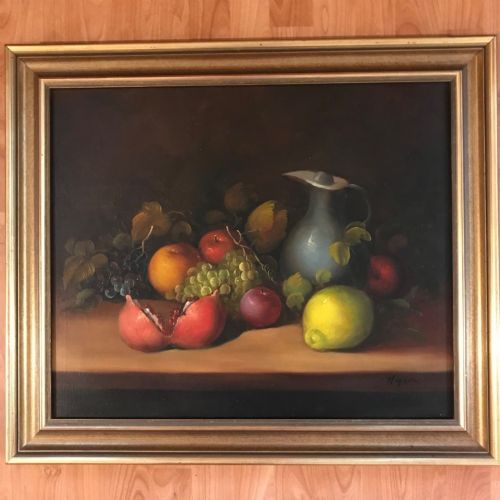
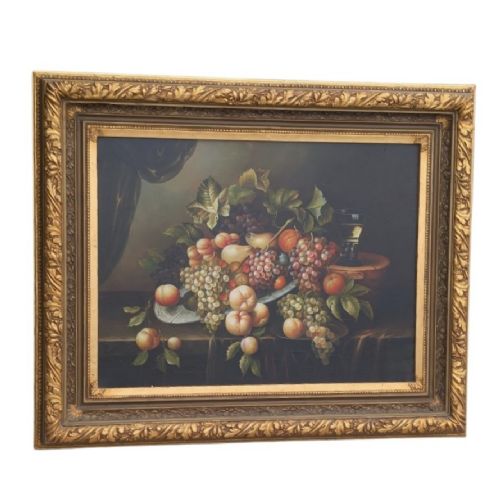
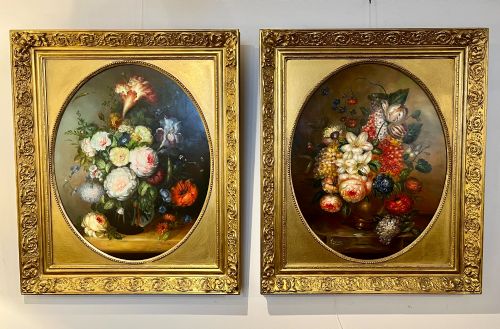
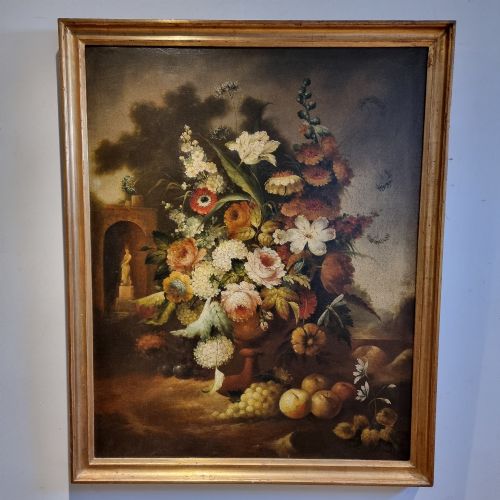
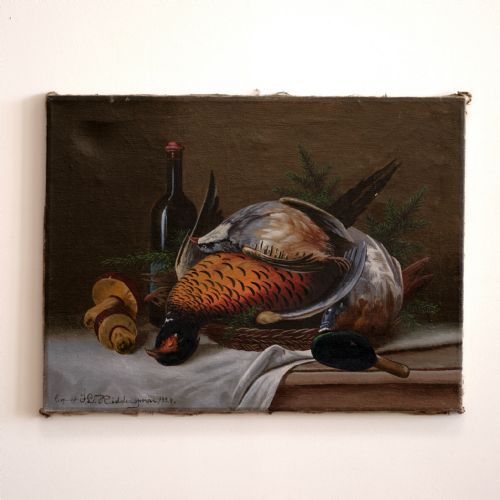
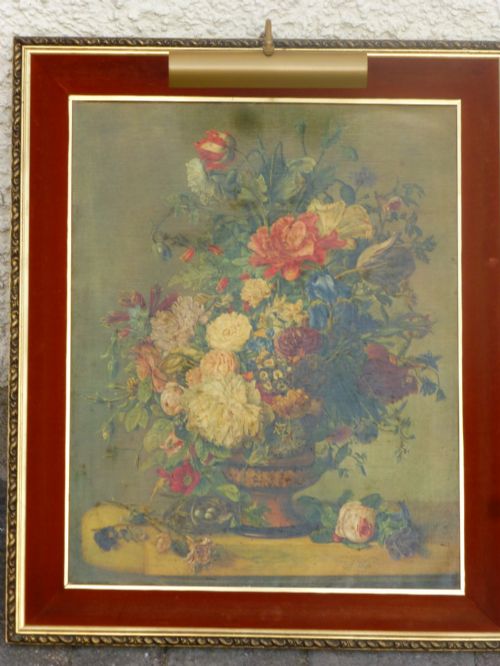
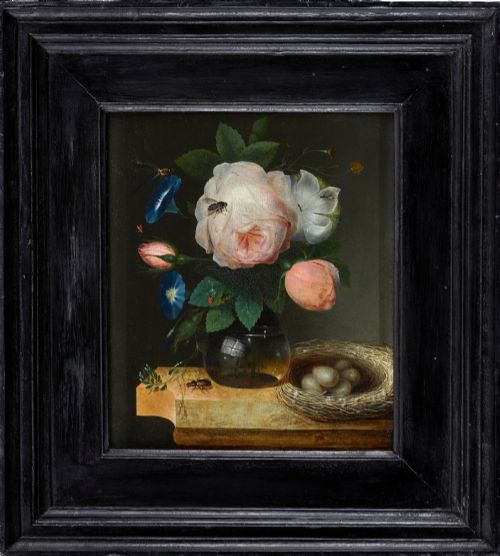
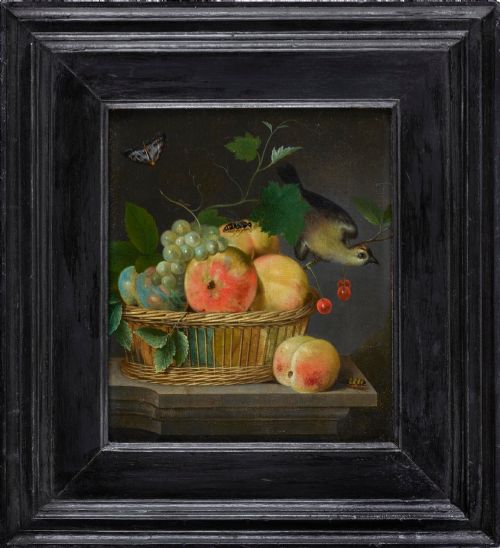
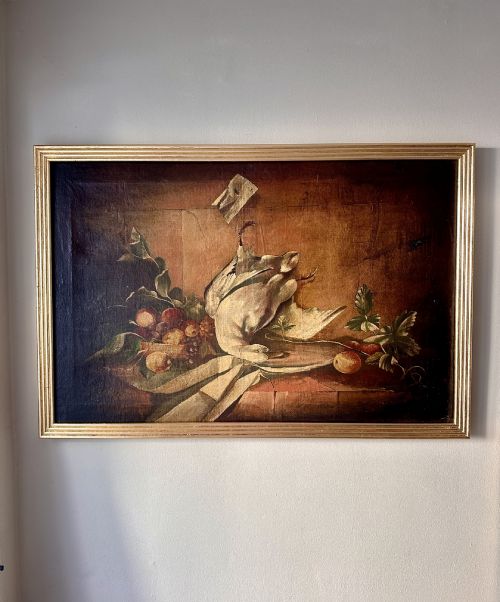
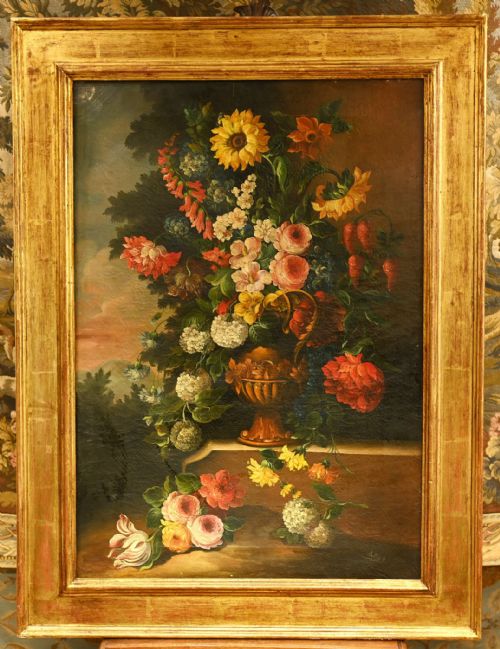
These oil paintings offer domestic interiors, floral arrangements and game scenes that define dutch still life artwork.
Dutch Still Life Artwork
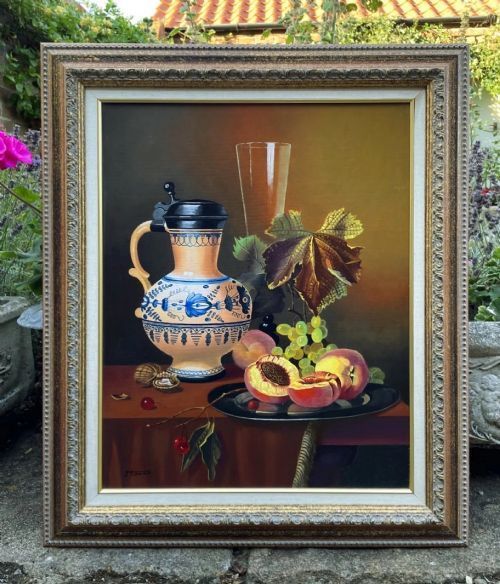
When searching for dutch still life artwork, collectors encounter oil paintings rendered on canvas, wood panels and board. These works depict floral arrangements, fruit compositions and game pieces spanning several centuries.
The selections on this page range from seventeenth century examples through nineteenth century interpretations and twentieth century revivals. Forms include framed wall art, miniature oils and monumental canvases.
Most entries follow historical northern European traditions, showing Flemish baroque influences and classical realism. Subjects vary from glass vases filled with spring flowers to wicker baskets laden with fruit and game.
How they were made
Painters applied oil paint to prepared surfaces including canvas, oak panels and wooden boards. Artists utilised traditional pigments to build rich textures across floral petals, foliage and animal pelts.
Many works sit within ornate frames fashioned from gilded wood and gesso. These frames complement the depth and scale of the compositions, from small cabinet pieces to large decorative canvases.
The inventory spans the seventeenth, eighteenth, nineteenth and twentieth centuries.
What varies in quality
The distinction between ordinary and exceptional works rests in the handling of light, shadow and detail. Finer pieces demonstrate precise brushwork in rendering reflective surfaces, glass vessels and delicate petals.
Compositional balance and the depth of the palette separate standard decorative paintings from masterworks of the genre. The integration of framing also influences the overall character of the piece.
Gaspar Peeter Verbruggen·Frans Snyders·Simon Pietersz Verelst·Pieter Claesz·Willem E. Roelofs jr.·William Jones of Bath·Julien Stappers·Jan Steen
The Dutch Still Life Artwork Glossary
- Oil painting
- A work created using pigments bound in a drying oil, typically applied to canvas or wood. This medium allows for rich blending and deep colour saturation.
- Panel
- A rigid wooden support, frequently oak, used by artists before stretched canvas became dominant. Panel paintings require stable environmental conditions to prevent warping.
- Gesso
- A plaster mixture applied to wood or canvas as a base for painting and gilding. It provides a smooth surface for detailed artistic work.
- Baroque
- An artistic style originating in the seventeenth century characterised by drama, tension and deep chiaroscuro. Works in this manner often display exuberant floral or fruit arrangements.
- Trompe l'oeil
- An optical illusion technique in painting that tricks the eye into perceiving a two-dimensional object as three-dimensional. This method appears in select realist still life compositions.
Dutch Still Life Artwork: Frequently Asked Questions
What subjects appear in these paintings?
These works display arrangements of spring and summer flowers, glass vases, wicker baskets and fruit. Other compositions feature game, larder scenes and domestic interiors.
Artists arranged these elements to capture textures, light and colour across canvas and wood panels.
How do I identify the period?
Dating relies on stylistic clues, materials and framing techniques. Seventeenth century works show baroque characteristics, while later pieces reflect nineteenth century classical realism or twentieth century revivals.
Examining the support, whether oak panel or stretched canvas, helps determine the age of the artwork.
Where were these artworks displayed?
Historical still life paintings hung in domestic reception rooms, dining parlours and merchant houses across northern Europe. They demonstrated the owner's taste and appreciation for natural abundance.
Today, these pieces suit similar residential settings as focal points in living spaces.
How should I care for these works?
These oil paintings require stable environmental conditions away from direct sunlight and excessive humidity. Maintaining consistent indoor temperatures protects both the canvas and the wooden support.
Dusting should occur gently with a dry, soft brush without applying cleaning solutions to the paint surface.