



Dutch Ceramic Art
These Dutch ceramic art pieces range from early slipware jugs to painted Delft chargers and Rozenburg porcelain, bringing historic Holland into your rooms.
Dutch Ceramic Art
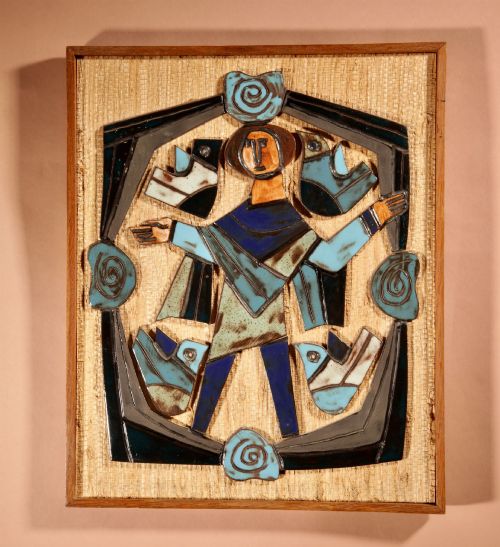
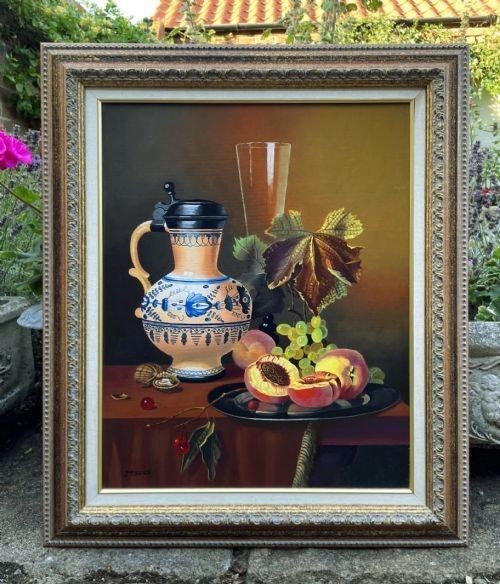
When you search for dutch ceramic art, you encounter a broad tradition spanning centuries of earthenware, porcelain, and slipware production. The selection brings together diverse forms such as chargers, pitchers, plaques, and vases.
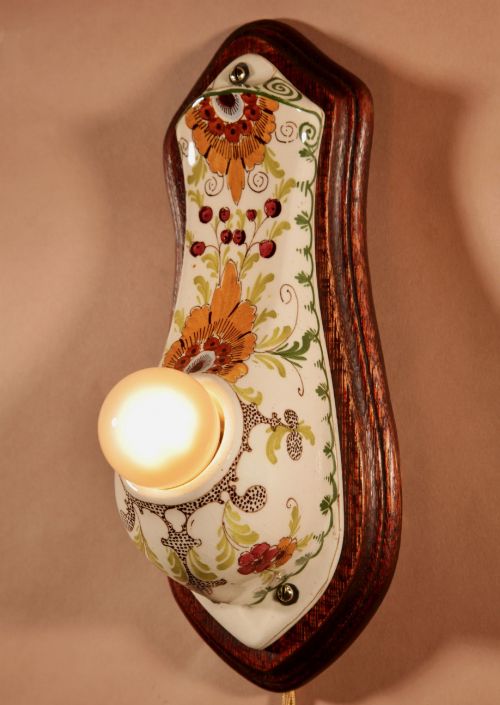
You are most likely to meet tin-glazed Delftware and later twentieth-century porcelain on this page. These pieces showcase traditional floral designs, geometric patterns, and hand-painted motifs characteristic of Dutch workshops.
The objects vary from utilitarian vessels to decorative wall plaques and figurative pairs. Each item reflects the distinct aesthetic preferences of its specific period, from seventeenth-century slipware to nineteenth-century Art Nouveau.
Materials and Methods
Potters shaped local clays into earthenware and porcelain bodies before applying lead or tin glazes. These surfaces provided a smooth ground for detailed hand-painted decoration.
Painters utilised polychrome and blue-and-white pigments to create botanical, avian, and figurative scenes. Firing techniques fixed these colours beneath or within the glaze, ensuring lasting vibrancy.
Dutch Ceramic Art Retail Price Guide 2026
Typical asking prices for dutch ceramic art among the pieces listed under this phrase on Sellingantiques today, from the lower quarter to the upper quarter. They describe what is for sale here now, not the wider market.
Object forms include chargers, wall plaques, pitchers, jugs, vases, and framed tile pictures.
Judging Quality
The integrity of the glaze and the precision of the initial ceramic moulding dictate the overall appeal. Well-preserved surfaces without heavy restoration command greater attention from collectors.
Clarice Cliff·Rozenburg
The Dutch Ceramic Art Glossary
- Slipware
- Pottery decorated with a thin mixture of clay and water applied before firing. This technique creates raised patterns or contrasting surface designs.
- Charger
- A large decorative plate intended for display rather than dining. These pieces often feature elaborate geometric or floral painted scenes.
- Delftware
- Tin-glazed earthenware produced in Dutch potteries, particularly around Delft. It is celebrated for its distinctive white surface and blue or polychrome painting.
- Polychrome
- Decoration utilising multiple colours. In Dutch ceramics, this typically involves vibrant combinations of blues, greens, yellows, and reds.
- Plateel
- A term used in the Netherlands for pottery or earthenware, particularly associated with decorative wares from Gouda and surrounding factories.
Dutch Ceramic Art: Frequently Asked Questions
How do I date these ceramics?
Examine the glaze type, painting style, and any base marks to determine the approximate period of manufacture.
Earlier centuries favour slipware and tin-glazed earthenware, while later eras introduce porcelain and distinct factory stamps.
Are these pieces meant for daily use?
Most items on this page, particularly chargers, plaques, and delicate vases, serve a purely decorative function.
Displaying them safely away from heavy traffic preserves their historic glazes and hand-painted surfaces.
What is the difference between Delft and Gouda?
Delft generally refers to earlier tin-glazed earthenware featuring traditional blue-and-white or polychrome scenes.
Gouda and related plateel wares often showcase the bolder, stylized motifs typical of the Art Nouveau and Art Deco periods.
How should I clean my ceramic art?
Dust the surface gently with a soft, dry cloth to remove everyday particles without moisture.
Avoid liquid cleaners and harsh scrubbing, which can damage aged glazes and historic painted decoration.