





Dutch Baroque Wall Painting
When you search for dutch baroque wall painting, you uncover seventeenth-century portraiture and still-life canvases that bring rich chiaroscuro and masterly brushwork into a room.
Dutch Baroque Wall Painting
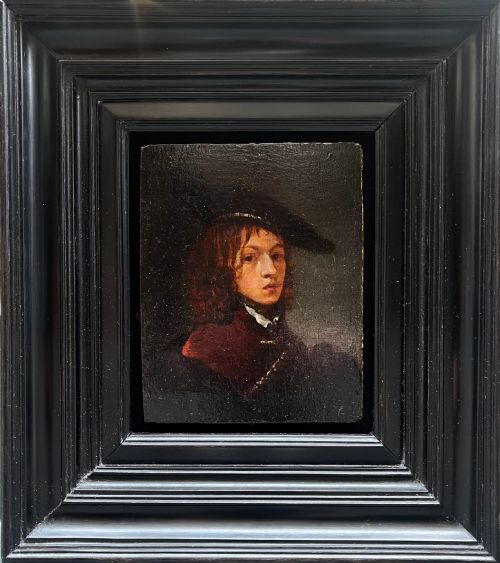
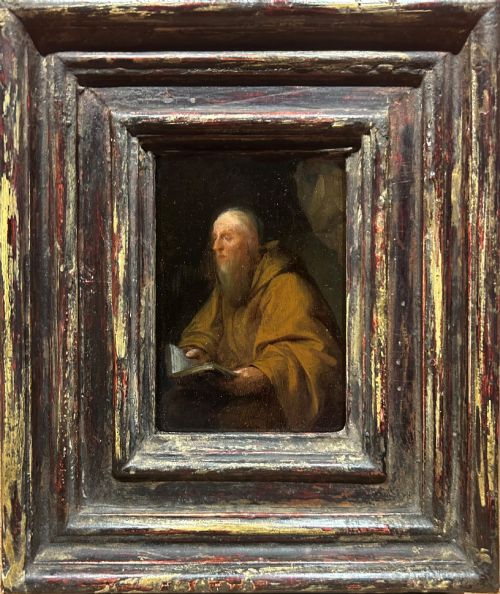
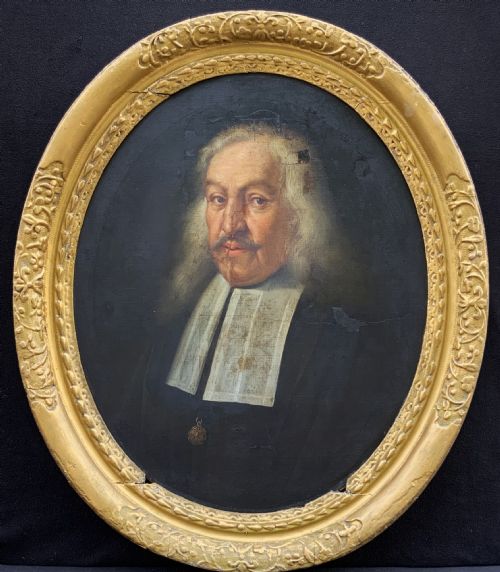
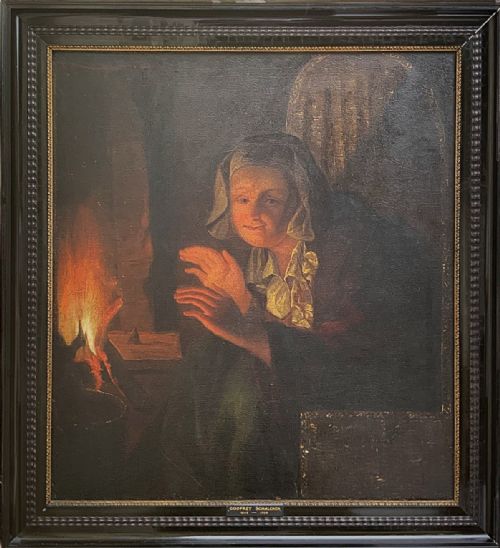
A dutch baroque wall painting typically takes the form of an oil on canvas depicting aristocratic portraits, lively genre scenes, or intricate botanical still lifes. These works span the seventeenth century primarily, capturing the solemn expressions of nobility or the vibrant play of light across fruit and floral arrangements.
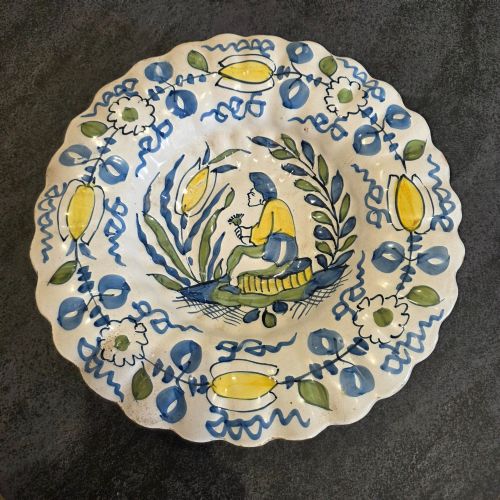
While the core of the selection relies on seventeenth-century originals and studio pieces, buyers also encounter later interpretations from the nineteenth and twentieth centuries created in the distinct golden age style. Alongside traditional framed canvases, the category occasionally includes related decorative wall elements such as polychrome dishes and architectural woodwork.
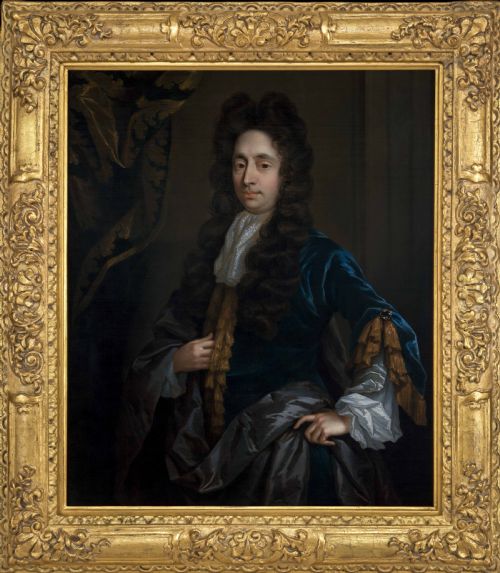
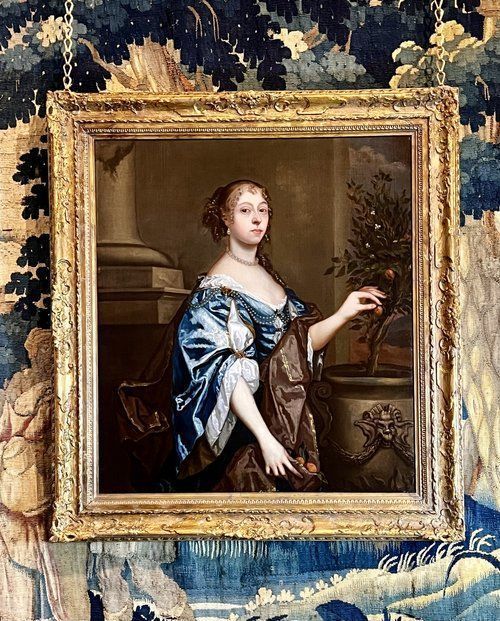
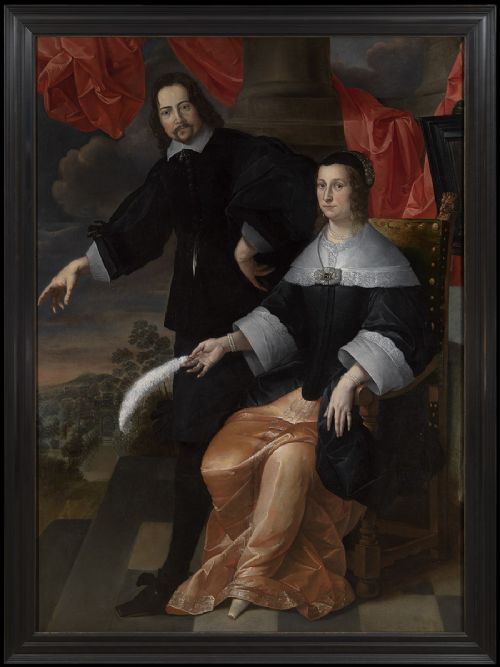
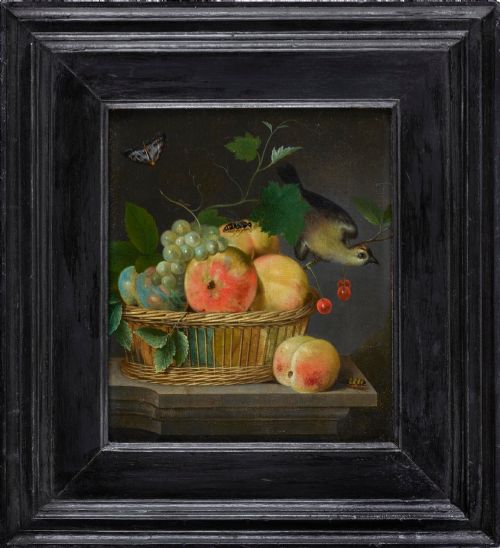
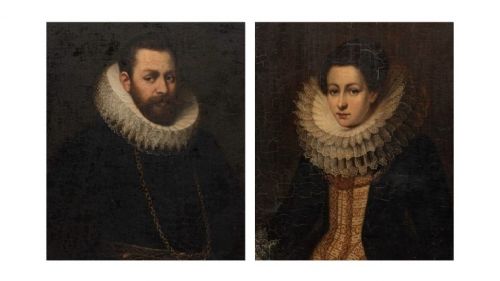
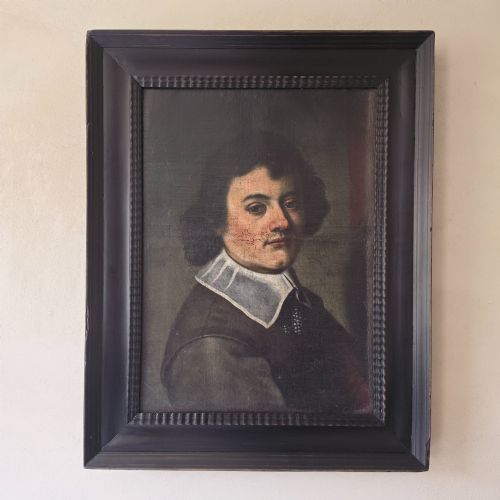
Portraits dominate the selections, ranging from half-length depictions of gentlemen in ruff collars to double portraits set against heavy curtains or mountainous landscapes. Still lifes of flowers, baskets of fruit, and wildlife compositions complete the range of subjects preserved from the period.
How they were made
The physical foundation of a dutch baroque wall painting rests on woven canvas stretched over wooden frames, prepared with grounds that received layers of oil paint. Artists built up their compositions using oil paint and gold leaf to manipulate light and shadow, achieving the deep tonal contrasts characteristic of the period.
Frames play an integral structural and aesthetic role, frequently fashioned from giltwood or carved wood that complements the depth of the canvas within. Decorative elements in the wider category extend these techniques to ceramic supports, utilising tin glazing and polychrome pigments on dishes and chargers.
Listings feature oil on canvas paintings spanning the seventeenth to the twentieth centuries, alongside carved wood, giltwood, and ceramics.
What varies in quality
Quality in a dutch baroque wall painting is determined by the sureness of the brushwork and the psychological depth captured in portrait subjects or the botanical precision in still lifes. Master works and pieces from direct circles of recognised painters display meticulous rendering of textiles, lace ruffs, and facial expressions.
Condition and the degree of historical attribution also separate examples, with works showing clear provenance to seventeenth-century workshops commanding greater academic and aesthetic interest. The richness of the original oil pigments and the integrity of the canvas and giltwood framing further distinguish finer pieces from later, less detailed student copies.
Constantyn Netscher·Pieter Borseler·Bartholomeus van der Helst·Gaspar Peeter Verbruggen·Rembrandt van Rijn·Jan van Staveren·Sir Anthony Van Dyck·Godfried Schalcken·Frans Snyders·Nicolaes Maes·David Teniers·Simon Pietersz Verelst·Philipp Ferdinand de Hamilton·Calzolari·Cornelis Van Der Voort·Pieter Nason·Reinier de la Haye·Wybrand de Geest·Willem Wissing·Philips Wouwerman
The Dutch Baroque Wall Painting Glossary
- Chiaroscuro
- The artistic use of strong contrasts between light and dark to give a three-dimensional volume to figures and objects on the canvas. This technique defines much of the dramatic intensity seen in seventeenth-century works.
- Old Master
- A term applied to skilled European painters working before the nineteenth century, or to a painting by such an artist. These works form the historical backbone of the category.
- Giltwood
- Wood that has been coated with gold leaf or gold paint to create a brilliant decorative surface. It is commonly found on the ornate frames housing these paintings.
- Provenance
- The chronological history of the ownership of a piece, establishing its authenticity and historical journey. A clear provenance connects a painting directly to a specific studio or collection.
- Genre Painting
- Artwork depicting scenes from everyday life, ordinary people, and domestic interiors rather than grand historical or mythological subjects. These compositions offer a direct window into historical daily life.
Dutch Baroque Wall Painting: Frequently Asked Questions
What subjects appear in dutch baroque wall painting?
The subjects include formal portraits of gentlemen and ladies in ruff collars, military officers, and children, alongside detailed still lifes of fruit, flowers, and wildlife. Landscapes with figures and cavalry skirmishes also feature prominently among the historical compositions.
These varied themes reflect the cultural and economic prosperity of the northern european seventeenth century, where patrons commissioned art to record their status, domestic comfort, and worldly interests.
How do I care for an old master oil painting?
An oil painting requires stable indoor humidity and temperature away from direct sunlight and heat sources to prevent the canvas and oil paint from cracking or warping. Dusting should be done gently with a soft, dry brush without applying cleaning liquids.
Professional conservators should handle any deeper cleaning or structural repairs to the canvas and its wooden support to preserve the historical integrity of the piece.
Are all these paintings from the seventeenth century?
While many works originate in the seventeenth century during the height of the dutch golden age, the category also includes later interpretations and studio copies created across the eighteenth, nineteenth, and twentieth centuries. These later pieces often emulate the baroque style and techniques of the earlier masters.
Examining the materials, canvas preparation, and framing helps identify the exact period in which a specific artwork was produced.
Where were these paintings originally displayed?
These works were created to hang within the domestic interiors of wealthy merchants, civic leaders, and noble residences, as well as public guild halls across northern europe. Their rich oil pigments and dramatic lighting were intended to impress visitors in formal reception rooms and parlours.
Today, they serve a similar decorative and historical purpose in private homes, anchoring a room with centuries of artistic tradition.