

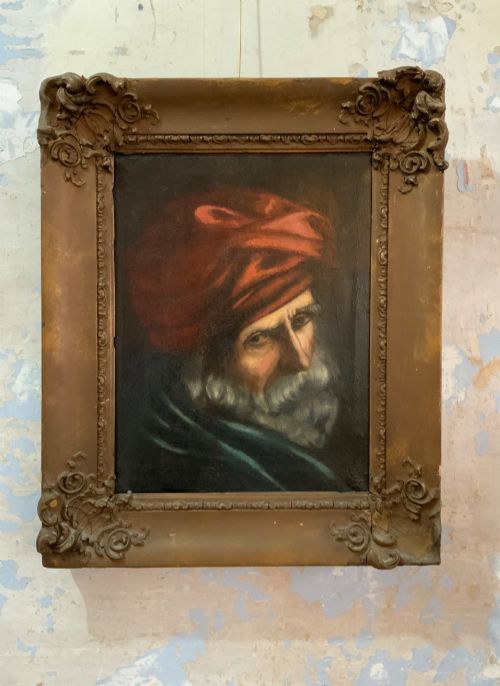
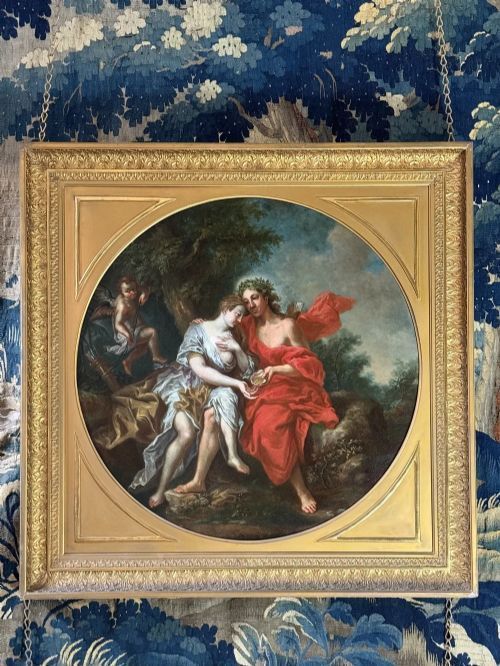
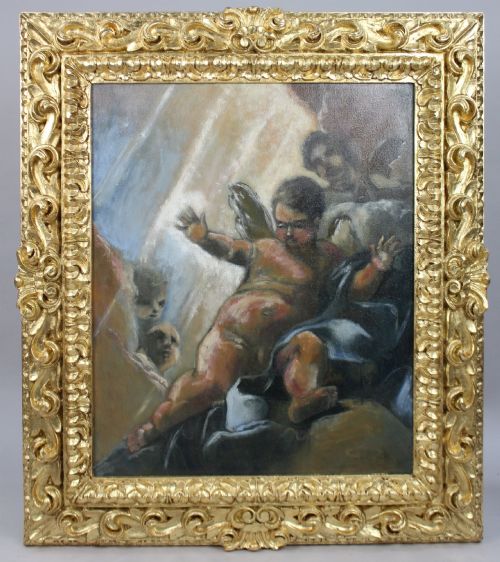
Classical Portrait Canvas Painting
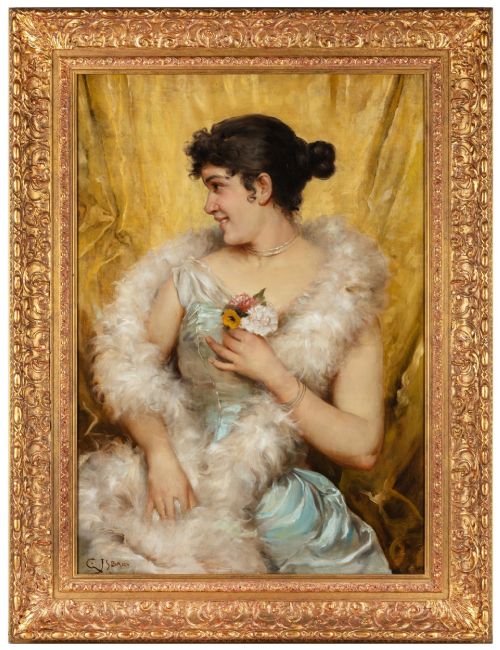
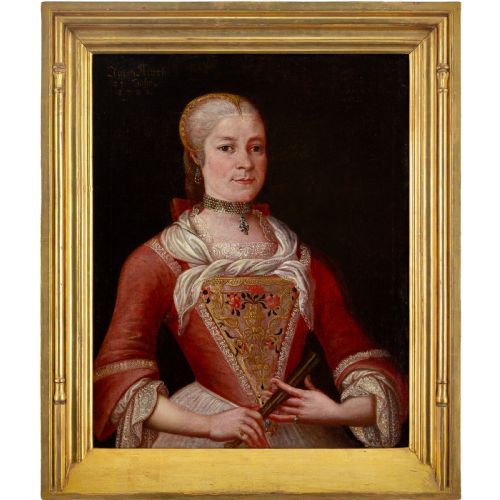
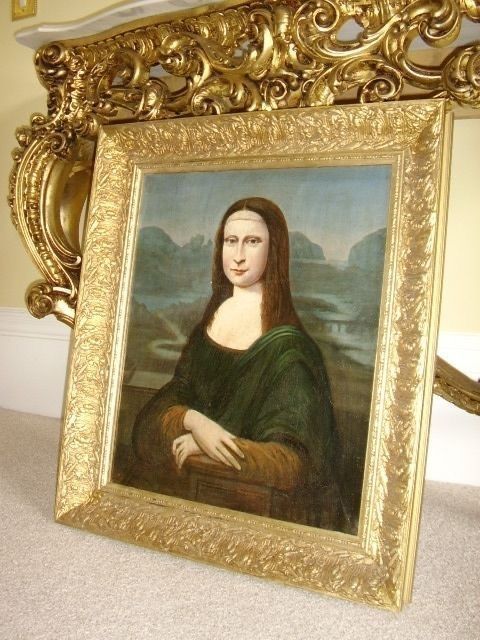
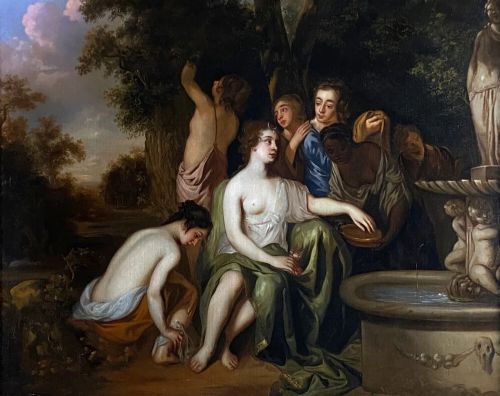
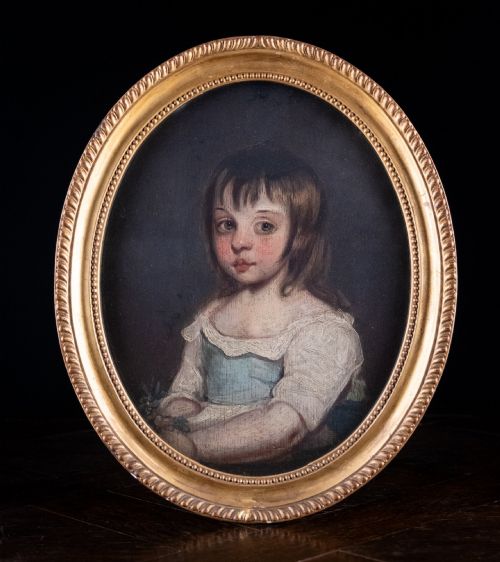
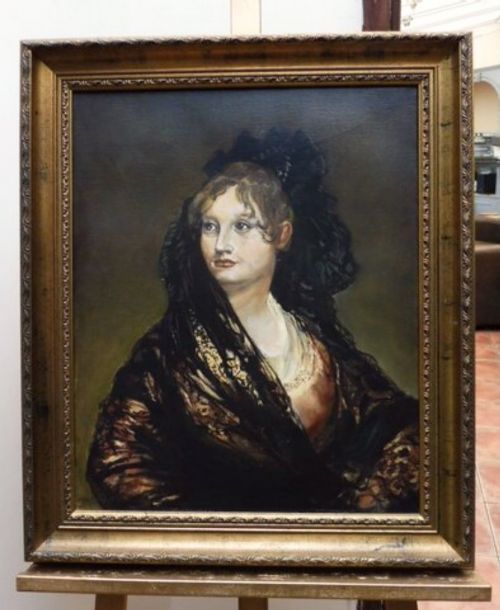
When you search for a classical portrait canvas painting, you encounter centuries of oil portraits on canvas spanning seventeenth-century Dutch works to Victorian depictions.
Classical Portrait Canvas Painting
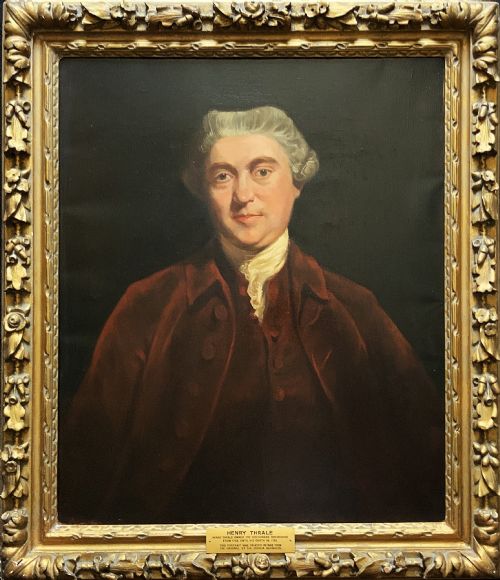
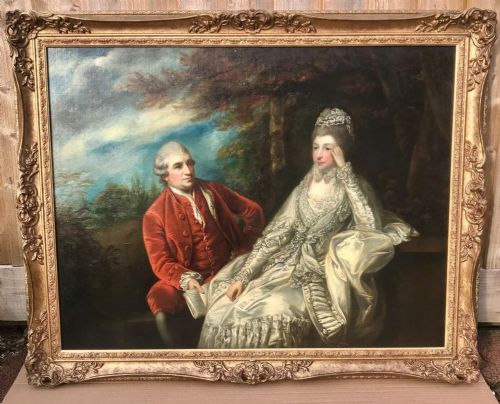
A classical portrait canvas painting captures human likeness through traditional oil paint applications on woven fabric supports. When exploring this selection, buyers frequently encounter works originating from seventeenth, eighteenth, and nineteenth-century European schools.
Pieces range from intimate provincial portraits to large exhibition formats produced by named artists, studio circles, or regional schools such as the Bavarian and Italian Renaissance Revival movements.
How They Were Made
Makers built these pieces using oil paint applied to stretched canvas supports, occasionally utilising wood panels or incorporating card reinforcements for stability. Artists layered pigments to achieve depth in garments, flesh tones, and background shadows.
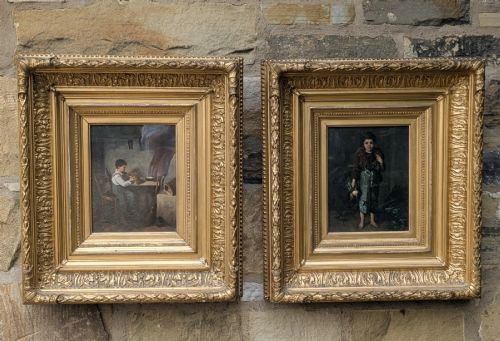
Many works incorporate ornamental framing executed in giltwood, gilt, and gold leaf, matching the aesthetic standards of their respective periods from Baroque exuberance to Victorian refinement.
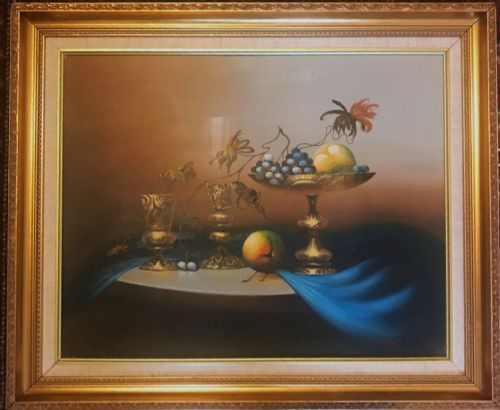
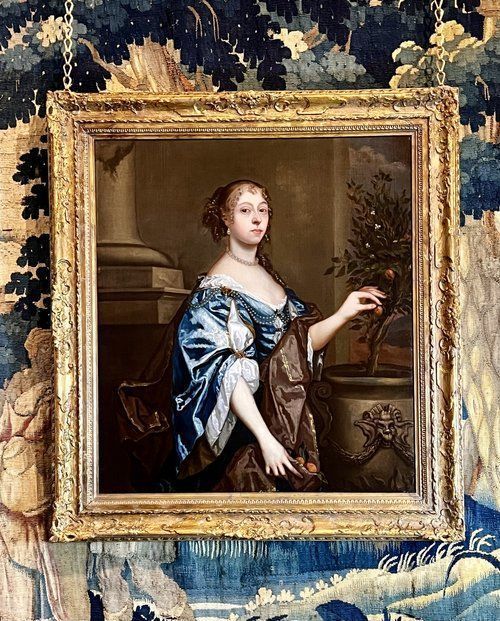
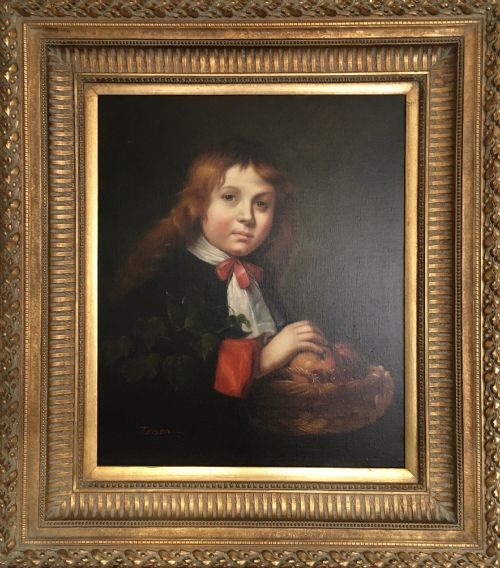
Several canvases depict subjects engaged in unexpected daily tasks, from picking oranges to tending fruit.
What Varies in Quality
The preservation of the original oil paint surface and the authenticity of the accompanying period giltwood frame significantly influence the standing of an individual canvas within the marketplace.
G. J. S. Bary·Jozsef Molnar·Sir Peter Lely·Pieter Borsseler·Francisco Jose de Goya·Sir Joshua Reynolds·Charles Antoine Coypel·Pietro Fachetti·Bartholomeus van der Helst·Sir Allan Ramsay·Robert Byng·Bernardino Luini·John Opie·Toussaint Gelton·Guillaume Courtois·Henrietta Rae·William Jones of Bath·Renato Moretti·Jean Baptiste Greuze·Philippus Vilain·Jean Baptiste van Loo·Theodore Jensen·John A Monteith·Paolo Veronese·John Ferneley Senior
The Classical Portrait Canvas Painting Glossary
- Oil on Canvas
- Pigments mixed with a drying oil, typically linseed, applied to a woven fabric stretched across a wooden frame. This medium allowed artists to blend tones smoothly and achieve rich textures.
- Giltwood
- Wood, commonly carved timber, coated with gold leaf or a gold-coloured metallic finish. It provided ornate framing for formal portraiture during the Baroque and later periods.
- Circle of
- A designation indicating the work was produced by an unidentified artist closely associated with a master, working in a similar style and period. It denotes proximity to a major workshop rather than direct authorship.
- Renaissance Revival
- A nineteenth-century artistic movement that revived the forms, compositions, and ideals of fifteenth and sixteenth-century European art. Works in this style emulate classical balance and deep tonal contrast.
Classical Portrait Canvas Painting: Frequently Asked Questions
What is a classical portrait canvas painting?
A classical portrait canvas painting is a fine art work executed in oil paint upon a woven canvas support, depicting human subjects, historical figures, or mythological characters in traditional styles.
These pieces range from seventeenth-century Dutch and British school portraits to nineteenth-century revivalist interpretations framed in period giltwood.
How were these oil paintings displayed historically?
Historically, these oil paintings hung within formal reception rooms, galleries, and private residences as statements of lineage, taste, or cultural erudition.
They were customarily housed within heavy carved wooden frames finished in gold leaf to complement the interior architecture of the period.
How should I live with an antique oil painting?
Living with an antique oil painting requires placing the canvas away from direct sunlight and maintaining stable room temperatures to protect the delicate oil pigments and wooden stretcher frames.
Regular, gentle dusting with a soft, dry brush keeps the surface clear without risking moisture damage to the aged paint layers.
How do I identify the period of a portrait?
Identifying the period involves examining the sitter's costume, the hairstyle, the framing technique, and the stylistic handling of the oil paint against known historical examples.
Inscriptions, artist signatures, or attribution notes recorded on the canvas reverse or frame also provide crucial chronological evidence.