


Drop Flap Bureau
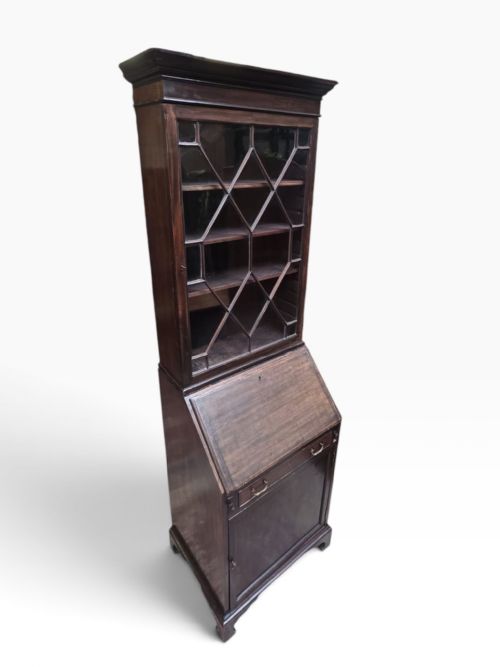
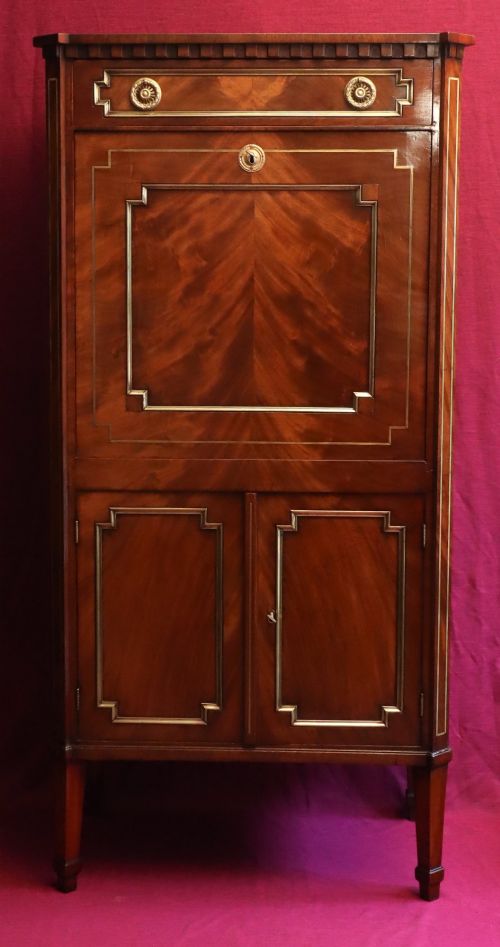
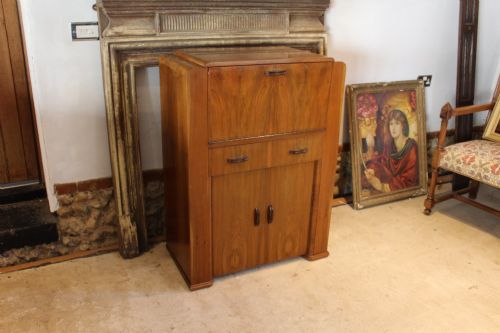
A drop flap bureau is a writing desk with a folding front that conceals a fitted interior, offering a neat workspace and generous storage.
Drop Flap Bureau
A drop flap bureau combines a practical writing surface with compartmentalised storage, making it a functional centrepiece for the home. When you search for a drop flap bureau, you encounter a variety of forms ranging from compact writing cabinets to grand bureau bookcases.
The examples gathered here span several centuries and design movements, including Edwardian, Regency, Art Deco, and Victorian pieces. Buyers most frequently meet mahogany and walnut variations, alongside rosewood and oak constructions from periods such as the nineteenth century and the nineteen-thirties.
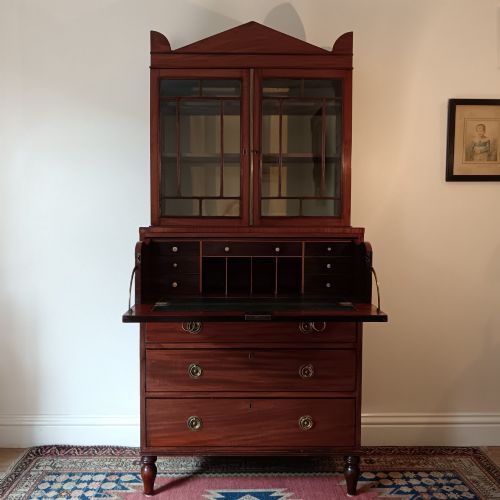
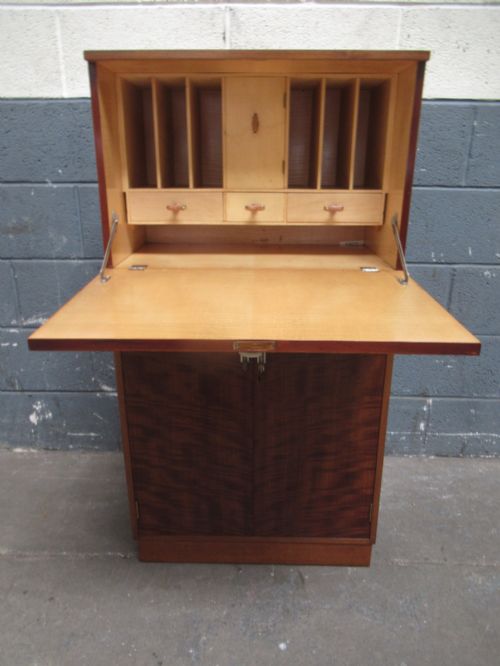
Many of these pieces feature fitted interiors with small drawers and pigeonholes behind the folding writing flap. Bureau bookcases and secretaire cabinets extend this utility by adding shelving or display space above the writing compartment.
Materials and construction
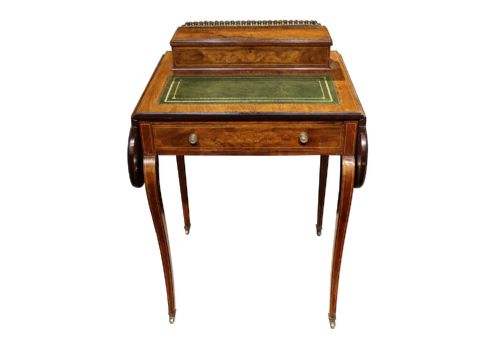
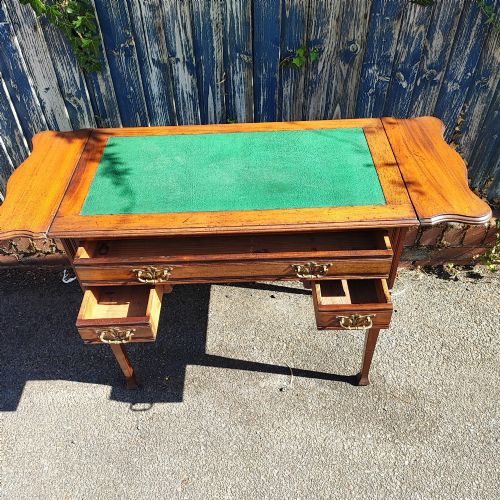
Cabinet makers utilised dense hardwoods like mahogany, walnut, and rosewood, frequently applying figuration to the primary surfaces. Satinwood and brass hardware often appear as contrasting details on drawer pulls and escutcheons, while leather inserts line the writing surfaces.
Construction techniques evolved across the periods represented, moving from solid timber frameworks to sophisticated veneering on secondary woods. Joinery such as dovetailing secures the internal drawers of the fitted interiors, ensuring stability behind the hinged writing flaps.
Some nineteenth century secretaire chests hide clever spring-loaded secret compartments behind the main writing drawer.
Assessing quality and finish
Quality reveals itself in the selection of timber veneers and the precision of the internal cabinetry. Superior pieces display carefully matched grain patterns across the fall front and drawers, alongside robust hinges that support the drop flap smoothly.
The complexity of the fitted interior also distinguishes exceptional examples from simpler utilitarian models. Finely turned small drawers, secret compartments, and intact leather writing surfaces indicate a higher standard of original craftsmanship.
George Oakley·F.H. Marshall & Co Glasgow
The Drop Flap Bureau Glossary
- Drop flap
- A hinged writing surface that folds down from a vertical position to provide a horizontal desk top. This mechanism conceals the pigeonholes and small drawers within the bureau.
- Secretaire
- A cabinet or chest incorporating a writing drawer or drop front writing compartment. The term often describes French and continental pieces such as the secretaire abattant.
- Escritoire
- A writing cabinet or small desk, typically featuring a fall front or slope. It is an older term frequently used interchangeably with bureau.
- Bureau bookcase
- A combination furniture form featuring a writing desk base with a drop flap below a glazed or panelled bookcase top. These tall pieces maximise storage and display space.
- Fitted interior
- The arrangement of small drawers, pigeonholes, and central compartments revealed when the bureau flap is opened. It provides dedicated organisation for correspondence and writing materials.
Drop Flap Bureau: Frequently Asked Questions
What is a drop flap bureau?
A drop flap bureau is a piece of furniture designed primarily for writing and storage, featuring a hinged front panel that pulls down to form a desk. Behind this flap lie pigeonholes and small drawers for stationery.
These desks range from compact Edwardian and Art Deco writing tables to substantial walnut and mahogany bureau bookcases dating back to earlier centuries.
How do I date a bureau?
Dating relies upon stylistic markers, construction methods, and the types of timber used. For instance, satinwood inlay and light proportions often suggest the Edwardian era, whereas geometric veneers point towards the William and Mary period.
Examining the internal drawer construction and secondary woods provides further evidence of the period in which the piece was constructed.
Where were bureau bookcases used?
Bureau bookcases served as multifunctional furniture in studies, libraries, and principal living rooms of grand and middle-class homes alike. The upper shelving housed valuable library volumes while the desk section managed household accounts.
Today, they function well in home offices and living spaces where concealed storage and display capacity are equally valued.
How do I care for wooden surfaces?
Preserving these timbers involves keeping them away from direct heat sources and sudden humidity changes, which can cause wood and veneer to warp or split. Regular dusting with a soft cloth maintains the finish.
Applying occasional appropriate wax polish nourishes hardwoods like mahogany, walnut, and rosewood without building up excessive residue over time.