
Drawers on Legs
Drawers on legs unite the storage of a chest with the open stance of a table, offering versatile utility for any room.
Drawers on Legs
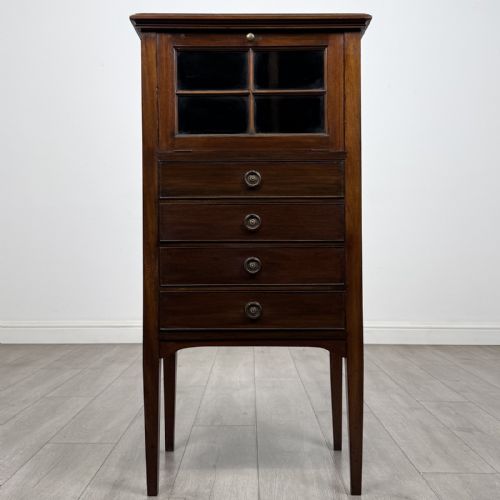
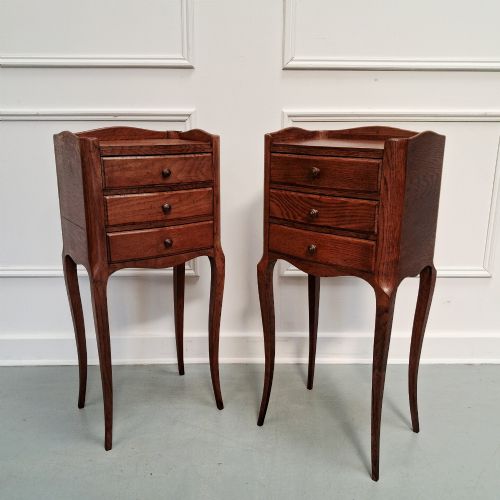
Drawers on legs bridge the gap between traditional heavy cabinetry and open furniture by elevating storage compartments above the floor on raised supports. When you search for drawers on legs, you encounter forms that span from lowboys and writing tables to tall chests and bedside cabinets raised on varied leg styles.
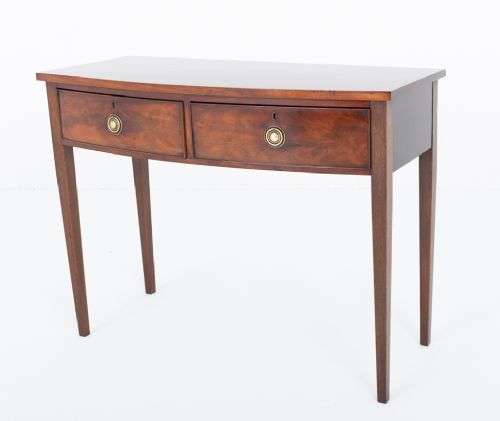
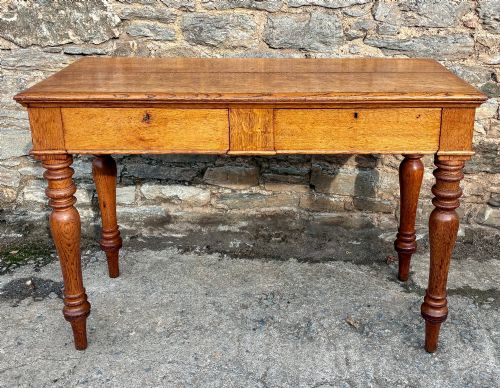
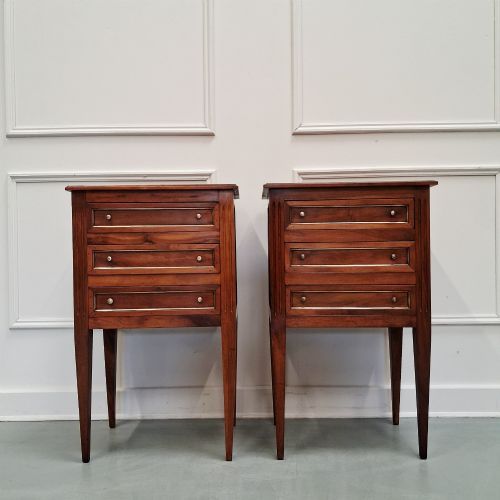
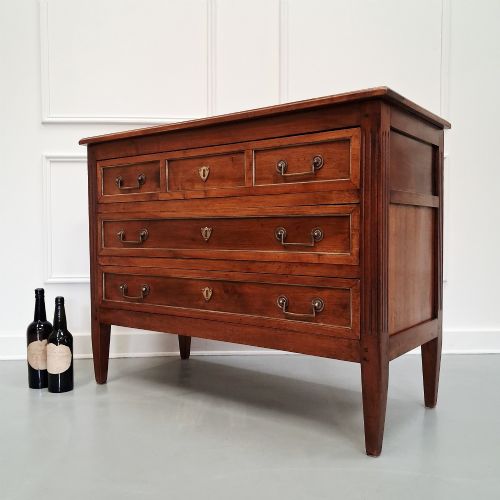
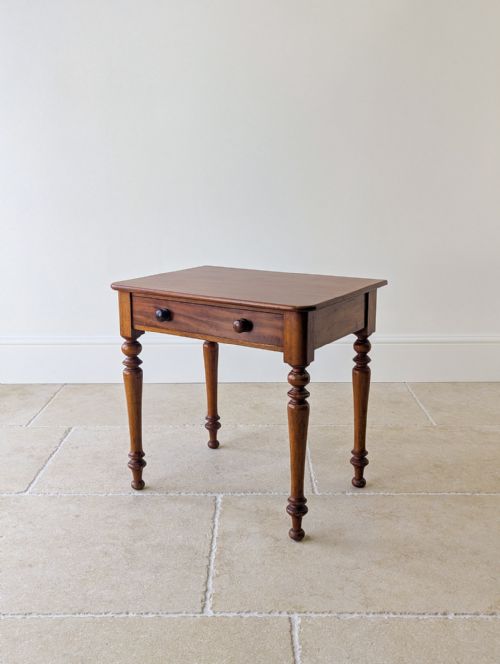
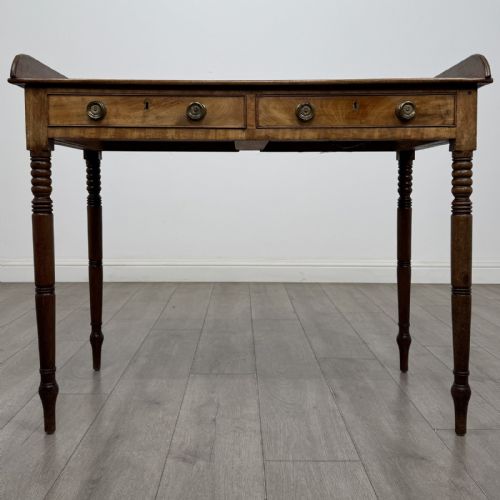
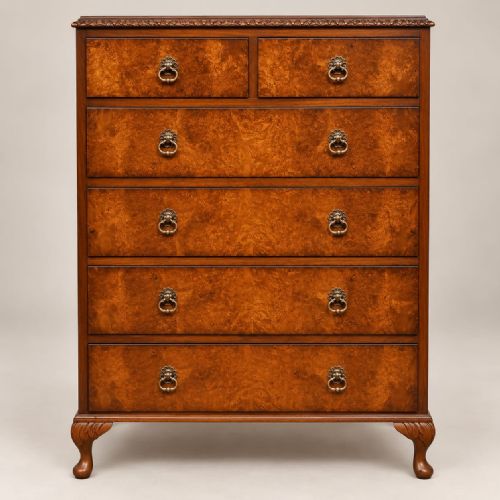
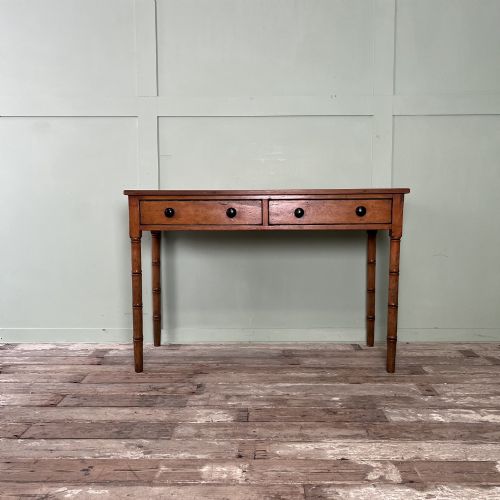
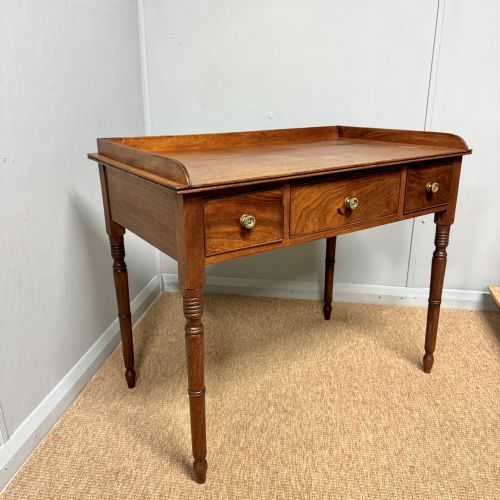
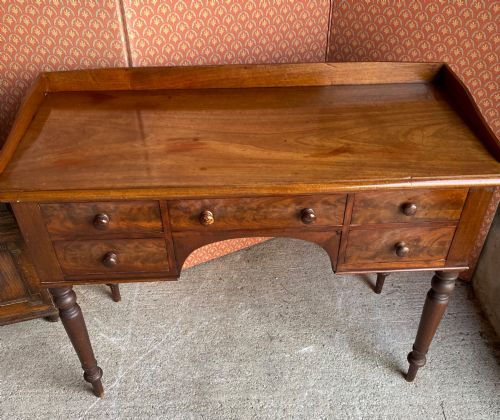
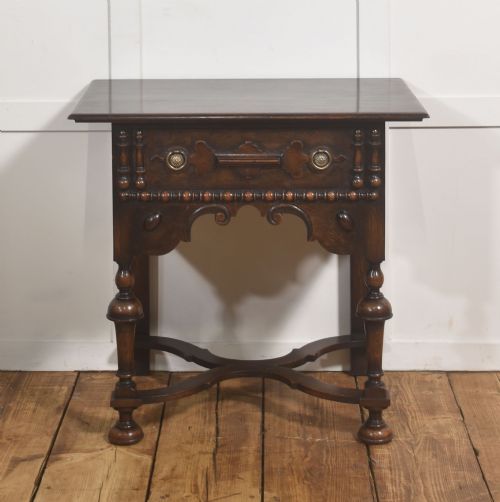
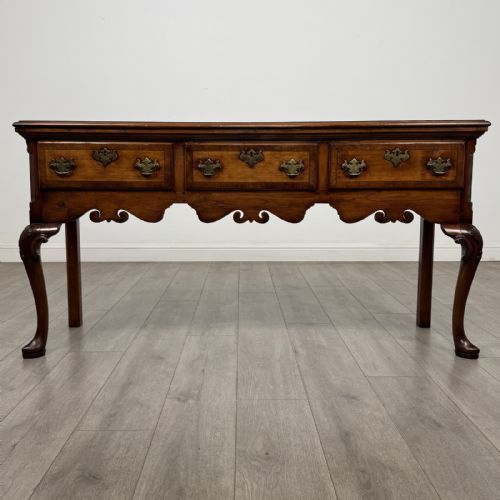
The pieces appearing on this page stretch across centuries, encompassing Georgian oak lowboys, Victorian mahogany writing desks with frieze drawers, and Edwardian cabinets. The most frequent meetings involve side tables, desks, and chests lifted on turned, cabriole, or tapering legs that lighten the visual weight of the timber.
These items served domestic functions ranging from bedside storage to writing and dressing. Their dual nature provides a surface for daily objects alongside enclosed compartment space, making them adaptable additions to modern interiors.
Materials and construction
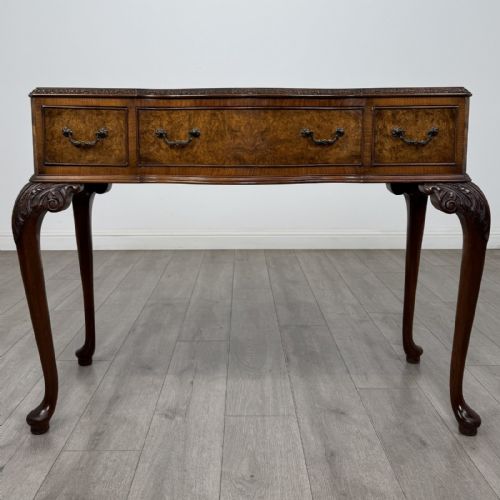
Makers utilised solid timbers including oak, mahogany, walnut, and pine, frequently selecting figured veneers like burr walnut or satinwood for principal surfaces. These woods were joined using traditional methods to build carcases and frames that could support the stress placed on moving drawer components.
Leg structures were shaped directly from the solid or turned on a lathe, incorporating brass handles, knobs, or castors for movement and detail. Marquetry, parquetry, and leather inserts added decorative and functional layers to writing surfaces and tabletops.
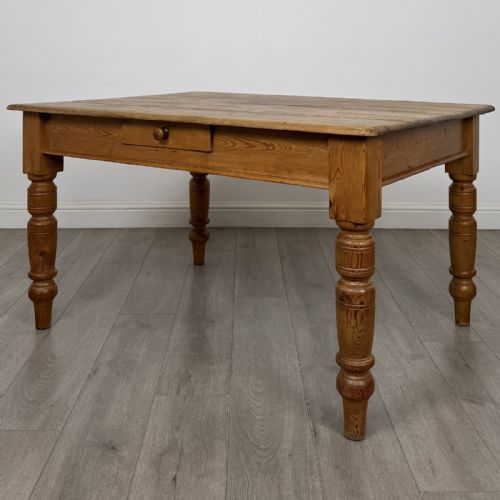
Some nineteenth-century pine tables hid their single frieze drawers cleverly beneath the top, keeping midnight writing supplies out of sight.
Assessing quality and craftsmanship
Quality rests upon the selection of timber figures and the integrity of the joinery connecting the leg supports to the main body. Superior examples display harmonious proportions where the height of the legs balances the mass of the drawers above.
Finishing touches distinguish finer pieces, such as cleanly cut dovetails on drawer linings, well-fitted brass hardware, and precise marquetry or crossbanding. The crispness of turned or carved details on the legs indicates the level of care invested by the original maker.
Heal and Son
The Drawers on Legs Glossary
- Lowboy
- A small oak or walnut table with one or more drawers, originating in the early period and often raised on cabriole legs. It functions as a side table or dressing surface.
- Cabriole leg
- A furniture leg that curves out and then in, resembling the leg of an animal. This form appears frequently on Georgian and revival pieces.
- Frieze drawer
- A drawer integrated directly into the upper framing band of a table or desk beneath the top surface. These are common on writing tables and sideboards.
- Dovetail
- A joint used in drawer construction formed by interlocking wedge-shaped fingers. Hand-cut dovetails indicate older, traditional cabinet-making methods.
- Crossbanding
- A strip of veneer laid across the grain of the primary surface to form a decorative border. It frames the drawer fronts and tabletops of finer items.
Drawers on Legs: Frequently Asked Questions
What distinguishes a lowboy from a small chest?
A lowboy is constructed as a table fitted with drawers, featuring longer legs and an open space underneath. A small chest sits much lower to the ground with its body closer to the floor.
While both offer compact storage, lowboys lean towards table forms used in living areas or as dressing desks, whereas chests focus entirely on stacked drawer capacity.
How do I care for polished wood surfaces?
Polished timber surfaces respond best to regular dusting with a soft, dry cloth to prevent dirt accumulation. Avoid placing them in direct sunlight or near heat sources to protect the wood and veneer from drying out.
Applying a traditional beeswax polish periodically helps maintain the sheen and nourishes older finishes without building up heavy chemical layers.
Where did these pieces typically live in a home?
These items occupied various rooms depending on their exact form, from bedrooms holding bedside cabinets and tallboys to studies housing writing desks. Side tables and dressing tables found places in hallways, drawing rooms, and dressing chambers.
Their elevated leg design allowed them to fit neatly against walls or beside seating without dominating the floor space.
How can I tell the difference between periods?
Periods reveal themselves through a combination of wood selection, hardware style, and construction techniques. Earlier 18th-century pieces often feature heavy oak or walnut with hand-shaped cabriole legs, while later Victorian and Edwardian examples frequently use mahogany or pine with turned tapering supports.
Examining the drawer joints and internal linings provides further clues to the manufacturing date and regional origin.