




Double Handled Vessel
A double handled vessel offers balanced symmetry and tactile presence, spanning centuries of ceramic, glass, and metal craftsmanship.
Double Handled Vessel
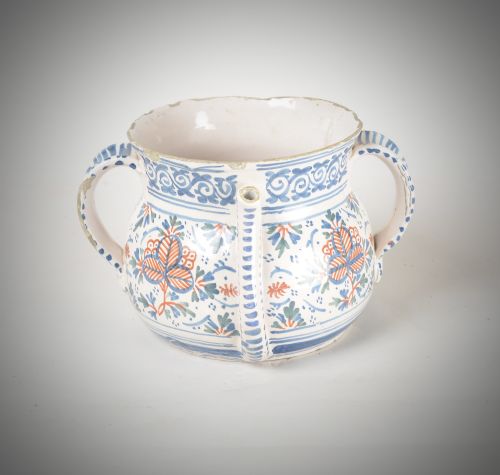
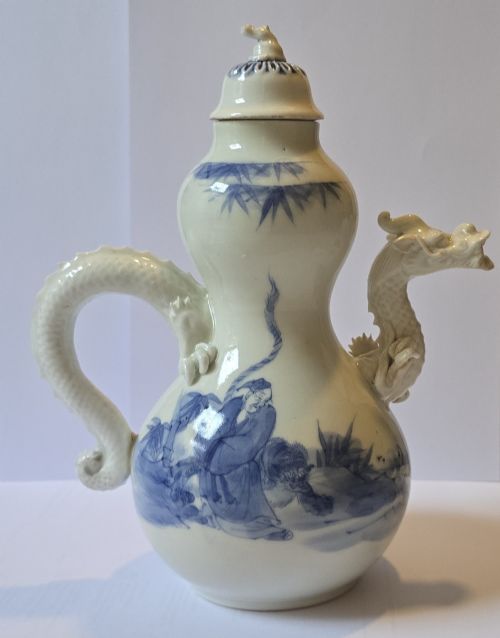
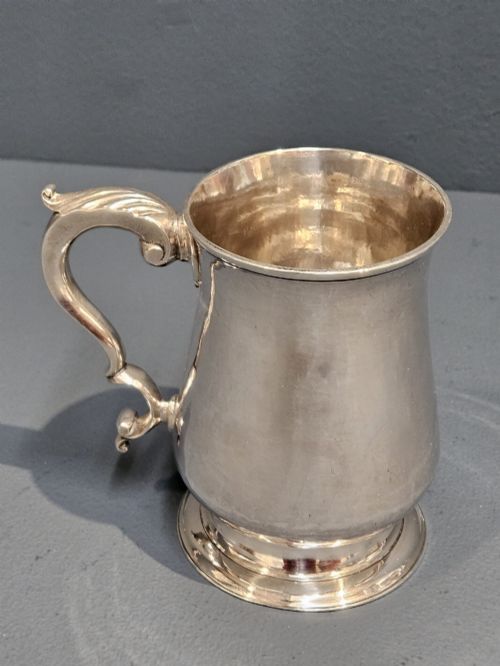
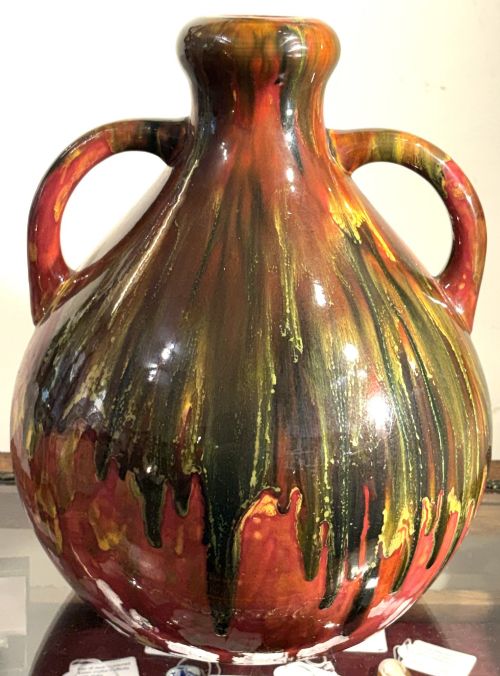
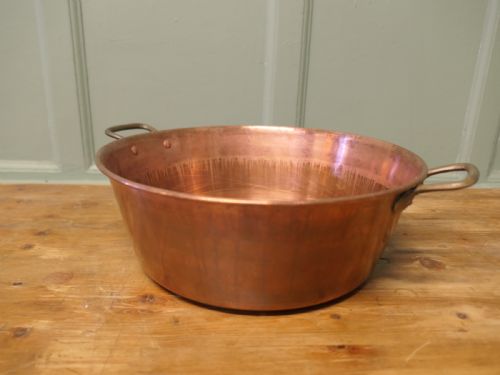
A double handled vessel is defined by its twin grips, taking the form of vases, loving cups, jelly glasses, jam pans, flasks, and tankards. When searching for a double handled vessel, buyers encounter pieces ranging from Victorian art pottery and Art Nouveau creations to Georgian silver and seventeenth-century Persian ceramics.
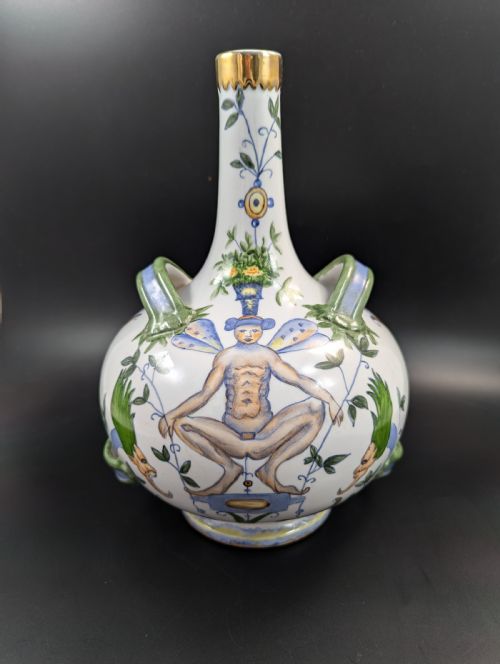
The selection on this page draws from diverse origins, including English factories, French faience, Japanese bronzes, and Safavid pottery. Forms vary from heavy cookware to delicate porcelain pilgrim flasks and bronze mimikuchi vases.
Victorian and nineteenth-century examples dominate the offerings, alongside earlier eighteenth-century silver and ceramic pieces. Each object utilises its dual handles either for functional service or for decorative balance.
Materials and methods of construction
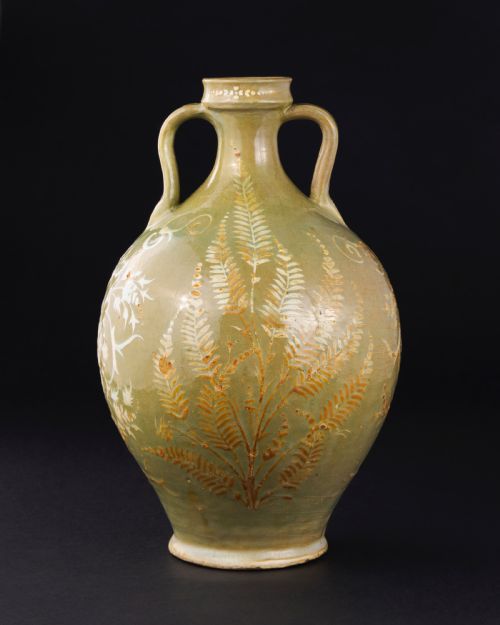
Pottery and ceramic vessels utilise earthenware and porcelain bodies finished with clear glazes, celadon glazes, or intricate floral patterns. Makers shaped these pieces through throwing or moulding before applying distinct handles.
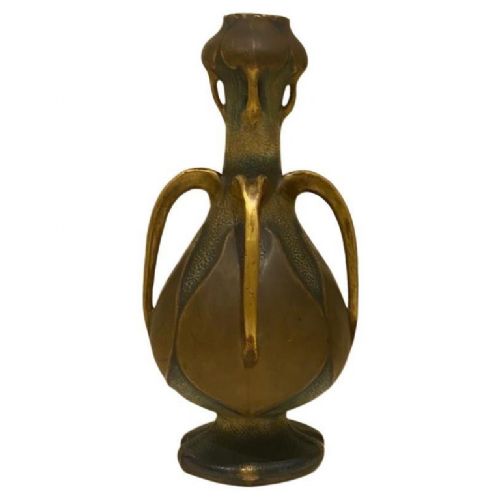
Surface ornamentation incorporates gold leaf, armorial decoration, and painted gallant scenes upon porcelain pilgrim flasks. Art Nouveau examples feature organic motifs such as water lilies moulded directly into the ceramic body.
Double Handled Vessel Retail Price Guide 2026
Typical asking prices for double handled vessel among the pieces listed under this phrase on Sellingantiques today, from the lower quarter to the upper quarter. They describe what is for sale here now, not the wider market.
Listings feature ceramics, glassware, and metalwork spanning the seventeenth century through the Victorian period and into nineteen-hundred.
Differentiating quality across the range
Quality rests upon the crispness of the form, the integrity of the handles, and the sophistication of the surface finish. Finer ceramic pieces show precise glaze application and well-defined painted details rather than muddy colours or smudged transfer prints.
In metalwork and silver, superior examples display weight, balanced proportions, and clean chasing or plating without excessive wear. The distinction between utilitarian cookware and fine display pieces lies in the refinement of the material and the ambition of the design.
Burmantofts·Makuzu Kozan·Wileman·Doulton Lambeth·Coalport·Paul Dachsel
The Double Handled Vessel Glossary
- Pilgrim flask
- A flat-sided vessel with two loop handles designed originally for travellers to suspend from straps or cords.
- Loving cup
- A large drinking vessel featuring two or more handles, traditionally passed among guests at communal gatherings.
- Celadon glaze
- A pale green jade-like ceramic glaze originating in East Asia and utilised across various historic periods.
- Faience
- Tin-glazed earthenware, often French or continental in origin, decorated with colourful armorial or pictorial motifs.
- Mimikuchi
- A Japanese term for vases featuring specific ear-shaped or loop handles, commonly found on bronze vessels.
Double Handled Vessel: Frequently Asked Questions
What is a double handled vessel used for?
These vessels served diverse functions depending on their material and form, ranging from holding cut flowers and displaying decorative art to serving jam, jelly, or communal drinks at the table.
Heavier copper and silver examples handled practical kitchen or ceremonial tasks, while porcelain and glass pieces functioned primarily as ornamental display items or drinking vessels.
How do I date a ceramic double handled vessel?
Dating relies upon identifying factory marks, stylistic indicators such as Art Nouveau floral motifs, and the composition of the ceramic body or glaze. Comparing the form to documented pieces from periods like the Victorian era or the seventeenth century helps narrow the timeframe.
Glaze technology and decorative techniques also shift across centuries, offering clues to when a piece was produced.
Are these vessels dishwasher safe?
Antique ceramics, delicate glassware, and silver-plated items require hand washing with mild soap and warm water to protect their glazes, surfaces, and structural integrity.
Harsh detergents and automated dishwashers can strip away gold leaf, damage historic glazes, and pit soft metals.
How should I display a double handled vessel?
Display these pieces on stable surfaces where their symmetrical handles and profiles can be viewed from multiple angles. Ensuring adequate lighting highlights the glazes, bronze patination, or silver surfaces.
Pricing or stability considerations mean heavier copper pans and large ceramic vases benefit from placement on sturdy low tables or secure shelving.