


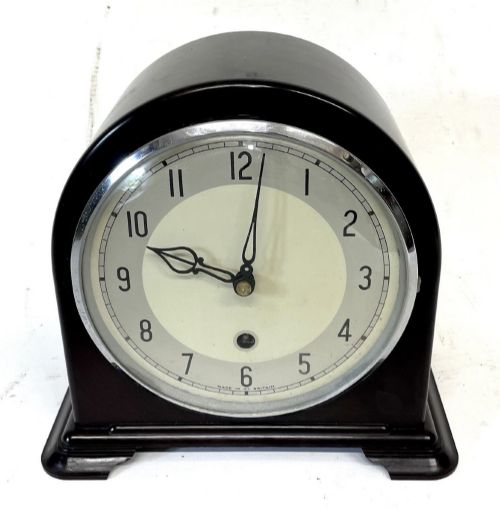
Dome Mantel Clock
When you search for a dome mantel clock, you are looking at timepieces protected beneath glass bell jars that showcase intricate movements or polished timber cases.
Dome Mantel Clock
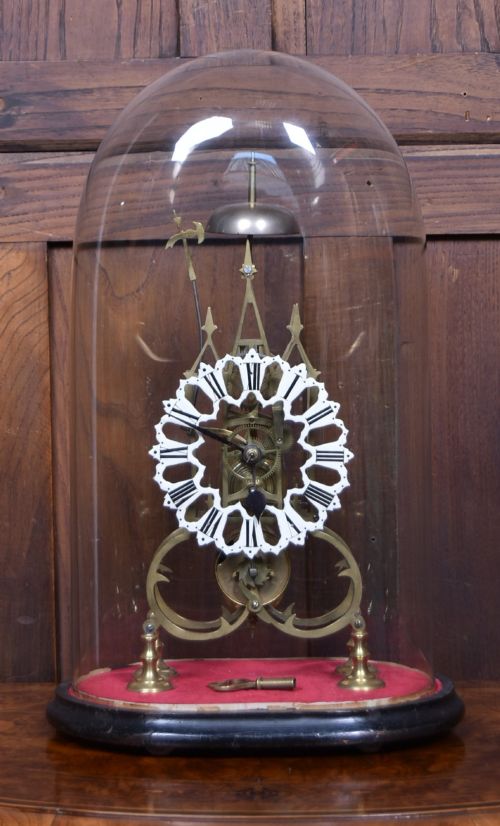
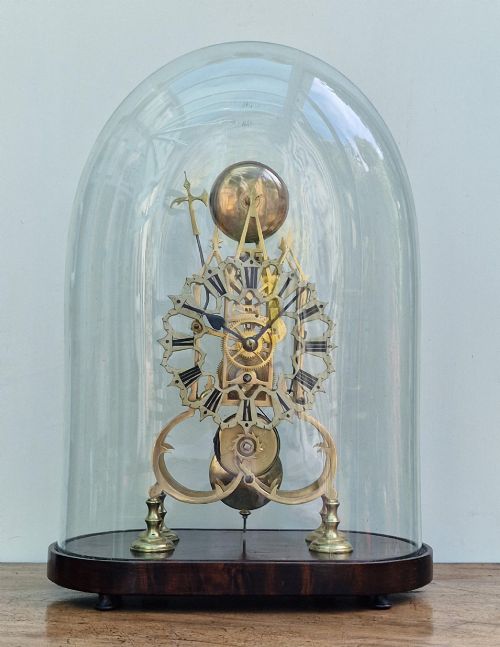
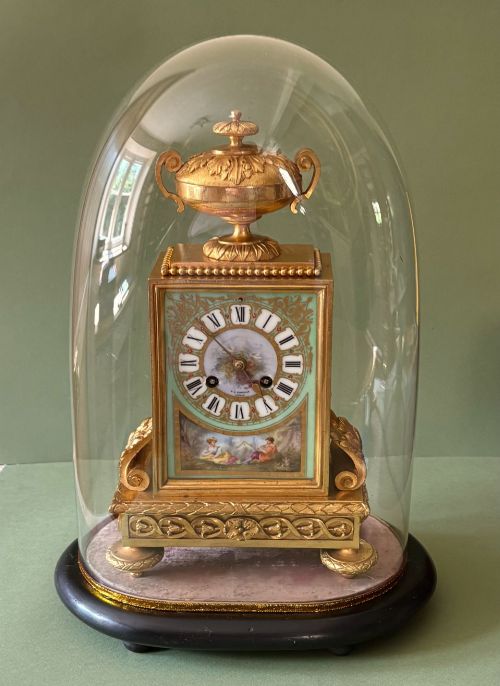
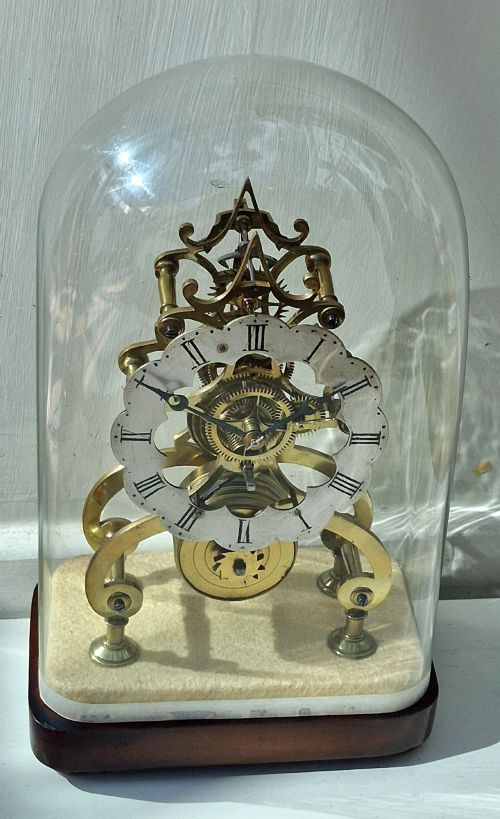
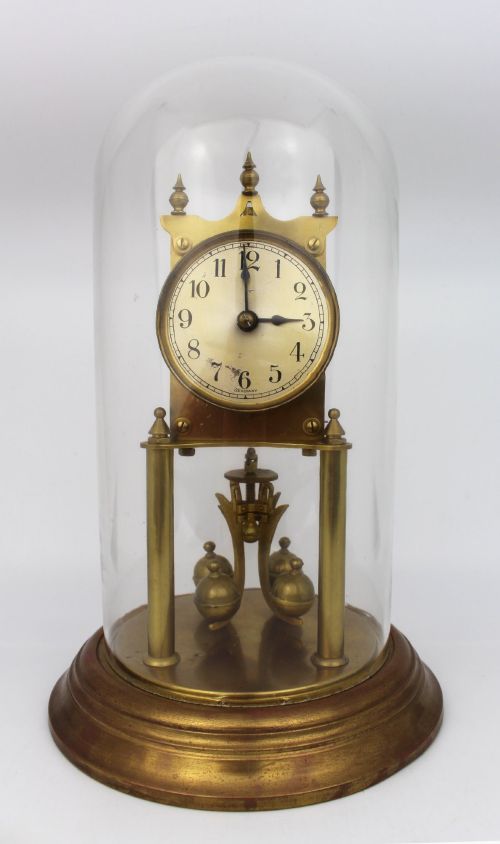
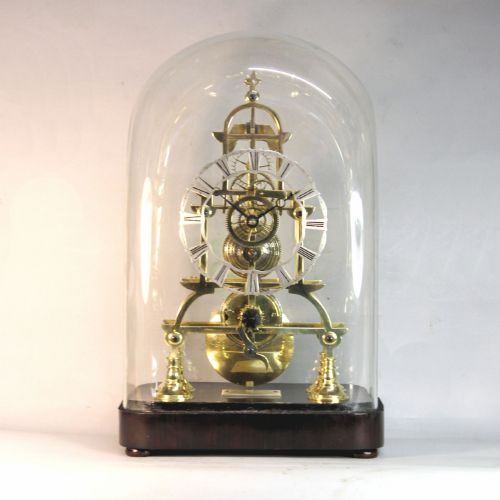
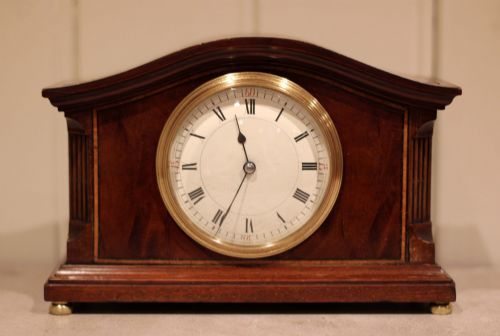
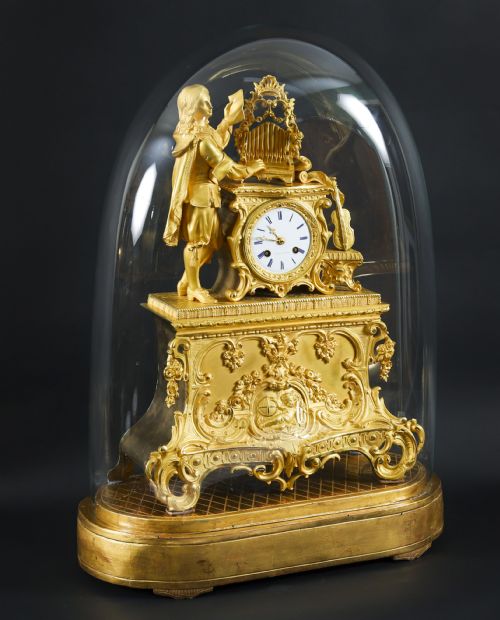
A dome mantel clock combines a functional timepiece with a protective glass enclosure, keeping delicate mechanisms free from dust while displaying the craftsmanship within. These pieces range from wooden dome-topped cases in mahogany, walnut, and oak to exposed skeleton movements and elaborate French designs housed beneath separate hand-blown glass cloches.
The selection encountered most frequently spans the Victorian and Edwardian eras, encompassing British fusee movements, German torsion mechanisms, and French ormolu porcelain-mounted creations. Alongside traditional timber mantel clocks with arched tops, many examples feature glass domes originally paired with skeleton clocks, portico clocks, or electric Bulle movements.
Originating across England, France, and Germany, these clocks served both practical timekeeping roles and decorative display purposes in nineteenth and early twentieth-century interiors. The inclusion of the original glass dome often defines the piece, whether it covers a simple inlaid Edwardian desk clock or a complex exhibition skeleton clock.
How They Were Made
The construction relies heavily on brass, glass, and timber, combined with specialist materials such as ormolu, porcelain, enamel, and ebonised wood. Cases were hand-carved from solid mahogany, walnut, or oak, frequently decorated with marquetry inlay or brass fittings, whilst the accompanying domes were mouth-blown from clear glass to sit upon matching wooden or alabaster bases.
Horological movements utilised intricate brass gear trains, fusee chains or cords to maintain even tension, and delicate escapements including platform escapements and torsion springs. French and English makers applied fire-gilding to ormolu mounts and painted ceramic panels with floral or classical scenes to enrich the visual presentation.
Some nineteenth-century skeleton clocks were built with passing strikes to gently remind the household of the hour without disturbing the peace.
What Varies In Quality
The standard of a dome mantel clock is determined by the complexity of its movement and the integrity of its components, particularly whether the glass dome is the original hand-blown cover. Hand-cut skeletal brasswork with intricate wheel trains and signed movements by known makers represent the upper tier of production.
Material selection and decorative execution further divide the range, from simple oak or mahogany dome-topped wooden cases to elaborately cast ormolu mounts paired with hand-painted porcelain panels. Original matching bases and undisturbed gear assemblies distinguish superior survivals from later married components.
Richard Winter Of Chieveley·Leroy Paris·Thwaites Of London·Jean Baptiste Delettrez
The Dome Mantel Clock Glossary
- Skeleton clock
- A timepiece designed with an open brass framework that exposes the entire gear train and movement to view. These are frequently housed beneath glass domes to protect the delicate exposed wheels.
- Fusee
- A conical pulley used in better-quality mechanical clocks to maintain even power as the mainspring unwinds. This mechanism ensures more accurate timekeeping throughout the duration of the wind.
- Ormolu
- Gilded bronze or brass applied to decorative mounts and clock cases, particularly popular in French nineteenth-century design. The finish is achieved through the application of a gold amalgam or modern electroplating.
- Torsion clock
- A clock regulated by a slow-rotating pendulum suspended on a thin strip of metal, often known as a anniversary clock. These mechanisms typically run for extended periods between winds.
- Cloche
- A bell-shaped glass dome used to cover and display delicate objects such as clocks, artificial flowers, or taxidermy. They sit upon a dedicated wooden or fabric-covered base.
Dome Mantel Clock: Frequently Asked Questions
What is a dome mantel clock?
A dome mantel clock is a timepiece either housed inside a wooden case with an arched top or protected beneath a separate glass cloche enclosure. They include exposed skeleton movements, traditional wooden timepieces, and decorative French creations.
The glass dome serves both a practical purpose by shielding delicate brass gears from dust and an aesthetic one by turning the mechanism into a clear display piece.
Are the glass domes usually original?
Many listings retain their original hand-blown glass domes, which is an important feature for collectors of nineteenth-century horology. Hand-blown glass often displays subtle bubbles, slight thickness variations, and rests neatly upon the original timber or alabaster base.
Because glass is fragile, replacement domes do occur, so matching the age and optical character of the glass to the clock movement is standard practice.
How do fusee movements work?
A fusee movement uses a conical pulley connected to the mainspring via a fine chain or cord. As the spring unwinds and loses strength, the chain moves to a wider part of the cone, providing greater leverage.
This clever mechanical adjustment ensures that the force delivered to the gear train remains constant, resulting in more accurate timekeeping across the winding cycle.
How should I care for a glass domed clock?
Keeping the clock in a stable environment away from direct sunlight and heavy vibrations helps protect both the timber case and the mechanical movement. The glass dome should be lifted carefully using two hands whenever the clock needs winding or adjusting.
Avoid using harsh chemical cleaners on the glass or the brass components, relying instead on a soft, dry microfibre cloth to maintain the finish.