

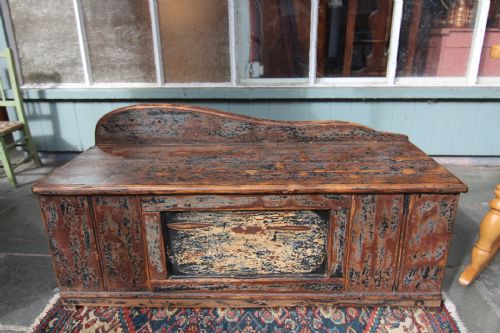


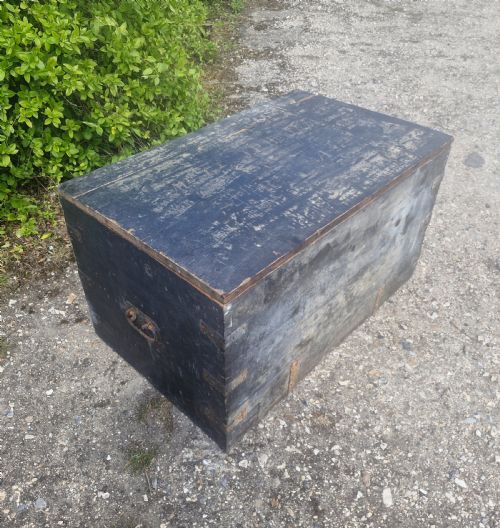


Distressed Wooden Trunk
These distressed wooden trunk pieces deliver centuries of utility and rustic character, offering robust storage built from honest timber.
Distressed Wooden Trunk
A distressed wooden trunk provides deep storage housed in timber that carries the honest wear of decades or centuries. Buyers searching for a distressed wooden trunk encounter items ranging from Georgian country mule chests to Victorian campaign boxes and Scandinavian painted pine pieces.
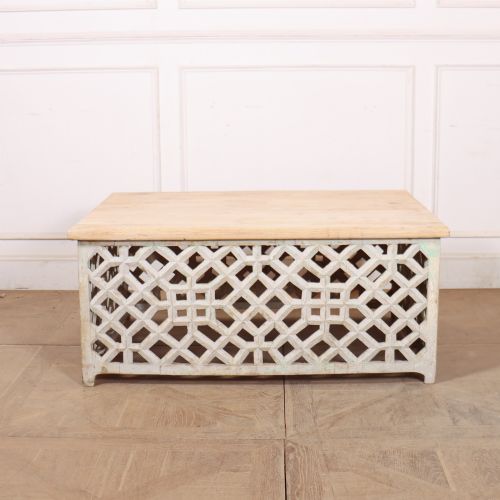
The inventory on this page relies heavily on nineteenth-century examples alongside eighteenth-century items. Forms extend beyond standard storage to include box seats, blanket boxes, strong boxes, and occasional coffee tables.
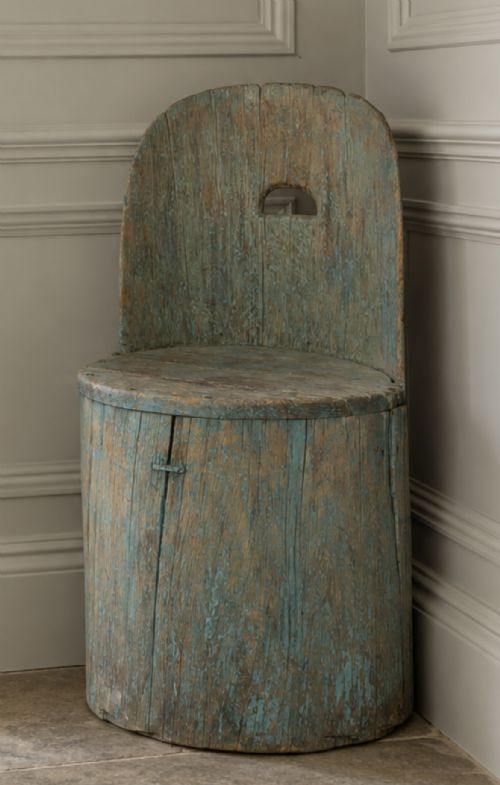
Pine and oak form the primary body materials for these regional pieces. European folk art and Scandinavian country traditions dominate the aesthetic styles seen across the current selection.
How they were made
Makers utilised solid timbers such as pine, oak, and teak, constructing these boxes to withstand demanding travel and daily household use. Construction often involved hand-painted finishes applied over plain wood, creating the aged surfaces valued today.
Iron, wrought iron, and brass provided structural reinforcement through strapwork, hinges, and carrying handles. These metal fittings were forged or cast to secure heavy lids and corners during transit on coaches or ships.
Distressed Wooden Trunk Retail Price Guide 2026
Typical asking prices for distressed wooden trunk among the pieces listed under this phrase on Sellingantiques today, from the lower quarter to the upper quarter. They describe what is for sale here now, not the wider market.
The listings show pine as the most common primary material, frequently combined with iron hardware and hand-painted folk art finishes.
What varies in quality
The integrity of the original timber foundation separates standard utility boxes from exceptional regional examples. Superior pieces retain their authentic structural framing alongside untouched surface patination.
The survival of original painted decoration heavily influences the character of folk art pieces. Hand-painted motifs that remain crisp beneath layers of age represent a higher tier of craftsmanship than later overpainted surfaces.
The Distressed Wooden Trunk Glossary
- Mule chest
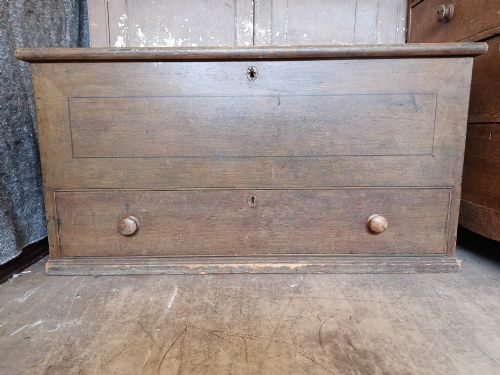
- A traditional storage chest featuring one or more drawers beneath the main lift-up compartment. This form bridges the gap between a standard blanket box and a chest of drawers.
- Campaign trunk
- A portable storage chest designed for military officers on the move, typically fitted with flush brass handles and reinforced corners. These pieces prioritised sturdy construction for frequent travel.
- Strong box
- A heavy-duty container built to secure valuables, often constructed with thick timber and iron strapwork. They frequently include internal compartments for smaller items.
- Folk art
- Utilitarian items decorated by local artisans using traditional regional motifs and hand-mixed pigments. This style gives vernacular furniture its distinctive personality and charm.
Distressed Wooden Trunk: Frequently Asked Questions
How do I clean a painted wooden trunk?
Dust the surface gently with a soft, dry cloth to remove loose particles without disturbing fragile paint layers. Avoid harsh chemical cleaners or excess water that might lift historical pigments.
Wax can be applied sparingly if the bare wood requires nourishment, but painted areas generally need only light, dry maintenance to preserve their historic character.
Where should I place a trunk in my home?
These pieces function effectively as living room coffee tables, bedroom blanket storage, or hallway statement pieces. Their robust construction allows them to support everyday items while holding household linens or books.
Keep wooden trunks away from direct heat sources and strong sunlight to prevent the timber from warping and the painted finishes from fading.
How can I tell the age of a wooden trunk?
Examine the construction methods, tool marks on the timber, and the type of hardware used on the hinges and locks. Hand-forged ironwork and pegged joinery typically indicate earlier periods of manufacture.
Wear patterns around handles and keyholes also reveal the natural history of use, helping to distinguish nineteenth-century examples from later interpretations.
What is the difference between a coffer and a trunk?
A coffer traditionally refers to a heavy, robust chest used for storing valuables, often featuring solid frame-and-panel construction. Trunks historically implied a box designed for travel, sometimes covered in leather, hide, or painted canvas.
Over time, these terms became interchangeable in antique descriptions, though heavy oak and pine examples retain the coffer designation.