


Distressed Wood Pedestal
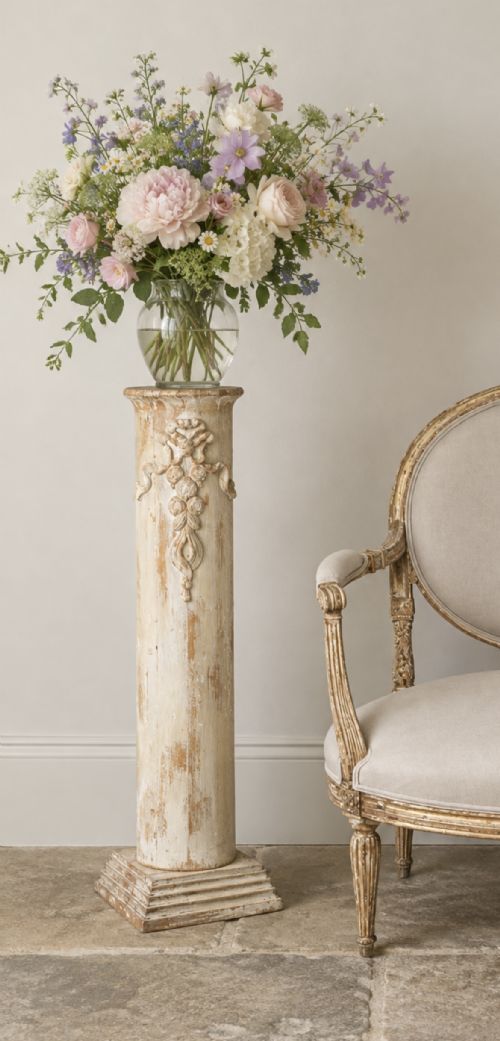
These distressed wood pedestal pieces bring rustic character and practical height to a room, spanning painted finishes and European country styles.
Distressed Wood Pedestal
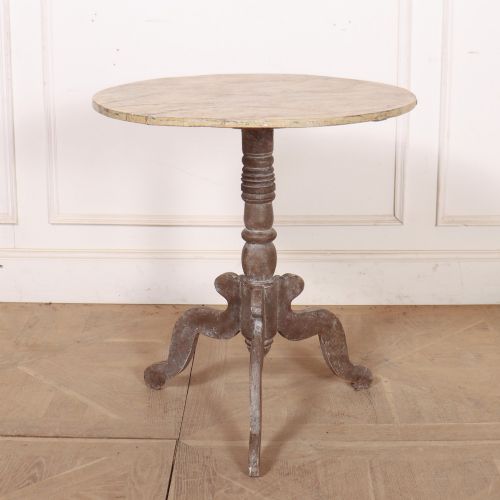
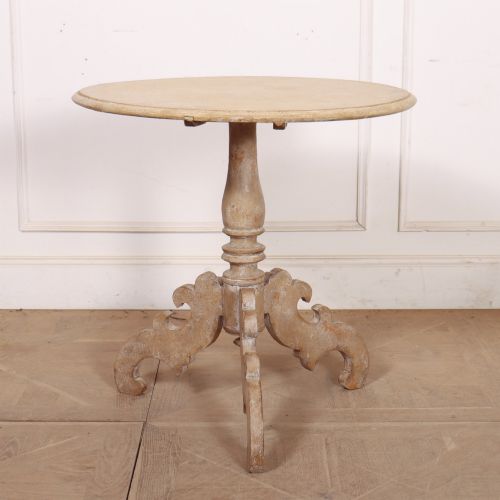
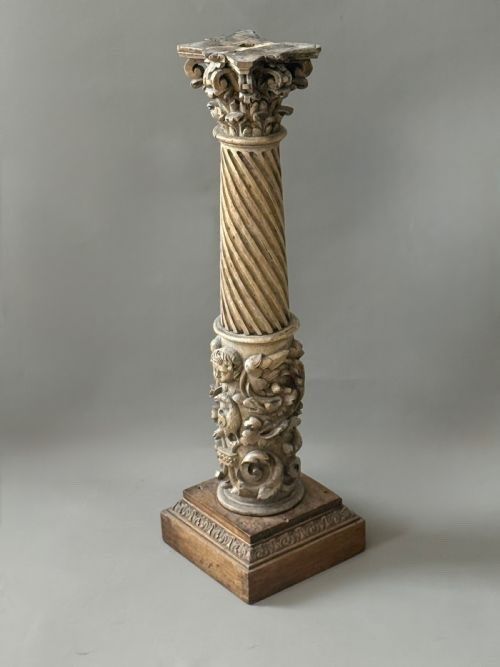
A distressed wood pedestal offers elevated display space through columns, torchières, and stands originating across European workshops. Buyers seeking a distressed wood pedestal encounter forms ranging from monumental seventeenth-century pillars to nineteenth-century Swedish and French lamp tables.
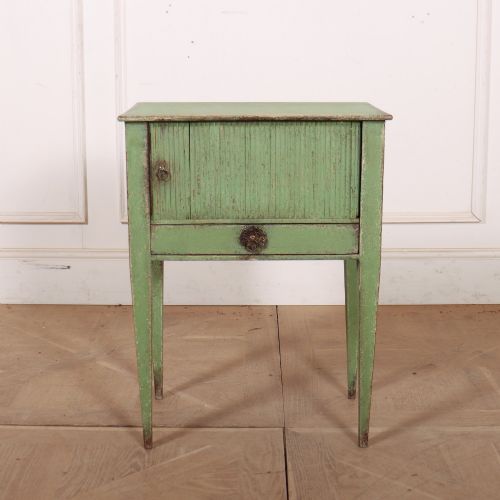
These functional objects double as sculpture stands and occasional tables, often finished in original green or white paint over pine and softwood. Regional variations include Gustavian, continental baroque, and Dutch provincial aesthetics.
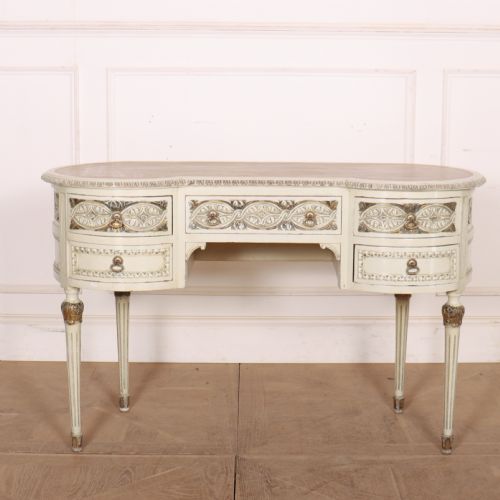
The selection centres heavily on nineteenth-century examples alongside earlier baroque pillars and later twentieth-century German centre tables. Each piece serves as a compact surface for lamps, decorative items, or urns.
How they were made
Carpenters constructed these supports using pine, softwood, and carved wood, frequently applying layers of gesso beneath decorative paint. Many surfaces retain original green or white painted finishes that have aged organically over decades.
Turned wooden shafts, carved columns, and brass details appear across the inventory, combining structural joinery with ornamental detailing. Workshops in Sweden, France, England, and Germany utilised local timber to build cylindrical sculpture stands and gueridons.
Listings feature pieces spanning the seventeenth through to the twentieth century, with nineteenth-century examples forming the majority.
What varies in quality
Quality rests in the integrity of the original paint surface and the depth of the wood carving. Untouched original pigment carries more presence than later overpainting.
Proportion and stability separate standard utility tables from exceptional monumental pillars and torchières. Structural soundness in the turned column and base ensures the piece supports heavy lamps or sculptures safely.
The Distressed Wood Pedestal Glossary
- Torchiere
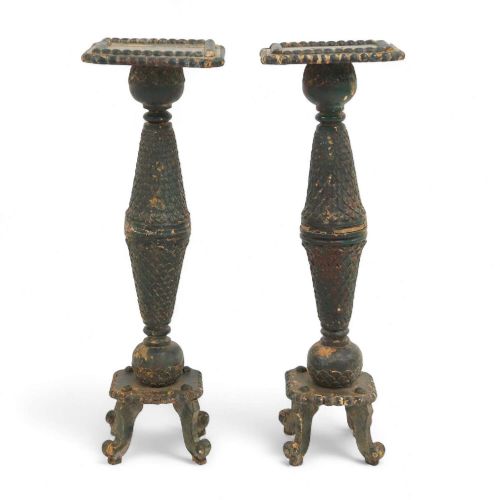
- A tall stand or pedestal originally designed to hold a torch or candle, later adapted for lamps. These slender supports feature decorative carving and painted finishes.
- Gueridon
- A small French table, often round and supported by a single central column or pillar. They frequently incorporate marble tops alongside painted wooden bases.
- Gesso
- A plaster-like mixture applied to wood surfaces as a smooth base for painting and gilding. It develops a distinct crackling over centuries of age.
- Gustavian
- The Swedish interpretation of French neoclassical style, characterised by lighter proportions and muted painted finishes. This aesthetic defines many nineteenth-century country pieces.
Distressed Wood Pedestal: Frequently Asked Questions
How do I use a pedestal at home?
These pieces function well as lamp tables, bedside stands, or elevated platforms for displaying sculptures and plants. Their compact footprint allows them to fit easily into corners or beside seating.
Heavier items sit securely on solid wood pillars and cylindrical stands. The painted surfaces add texture and contrast to contemporary and traditional interiors alike.
Are these pieces painted originally?
Many examples retain their original green or white paint layers applied during the nineteenth century or earlier. Over time, this pigment wears naturally to create the distressed appearance collectors value.
Traces of early gesso and underlying wood often show through the worn surface. Original finishes distinguish period country furniture from later decorative repainting.
What wood was used?
Carpenters primarily utilised pine and softwood for provincial tables and pedestals. Harder woods also appear in carved baroque pillars and decorative columns.
Timber selection depended heavily on regional workshop practices across Sweden, France, and Germany. The underlying wood supports thick applications of paint and gesso.
How do I date a painted table?
Dating relies on construction methods, timber type, and the ageing pattern of the paint surface. Seventeenth-century baroque pillars show heavier carving compared to slender nineteenth-century Swedish columns.
Examine the joinery beneath the top and the wear on the feet. Original nineteenth-century pieces display authentic patination that modern distressing cannot replicate.