
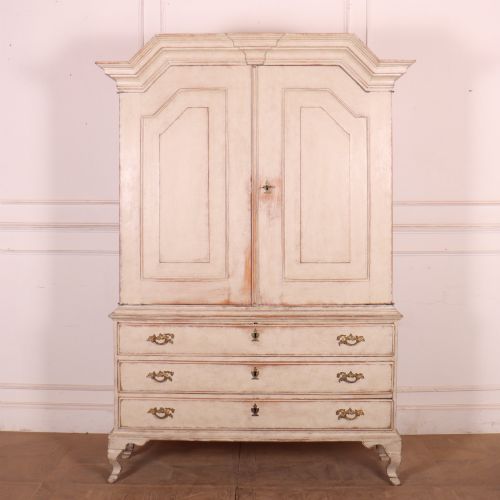


Distressed White Storage Cabinet
A distressed white storage cabinet brings rustic European charm and practical utility to a room through painted pine and time-worn finishes.
Distressed White Storage Cabinet
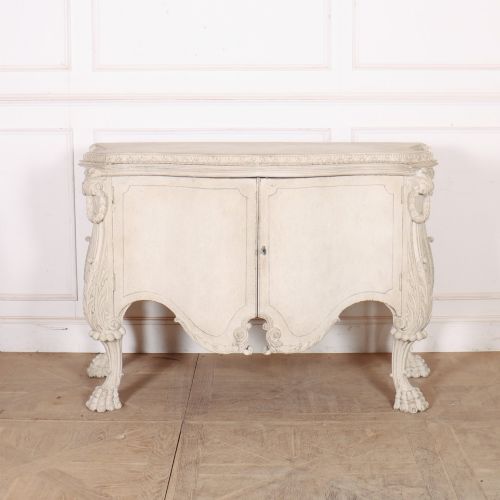
When you search for a distressed white storage cabinet, you encounter painted cupboards, commodes, and linen presses originating mainly from nineteenth-century Sweden, France, and Italy. These pieces serve as functional storage units while displaying regional styles such as Gustavian, Scandinavian Country, and French Provincial.
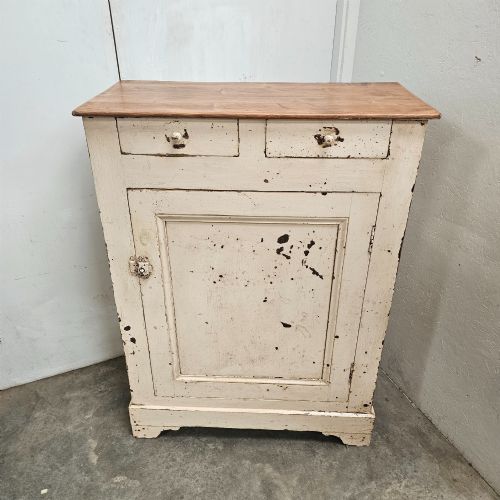
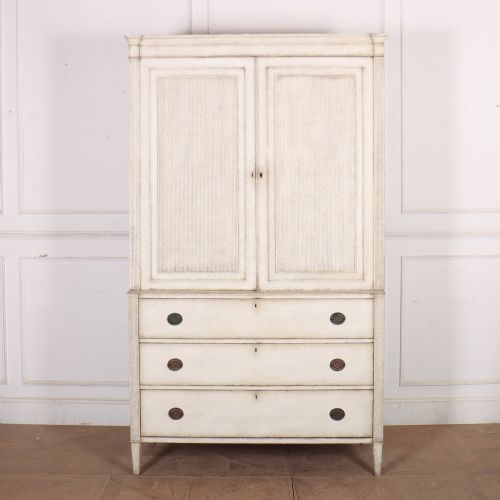
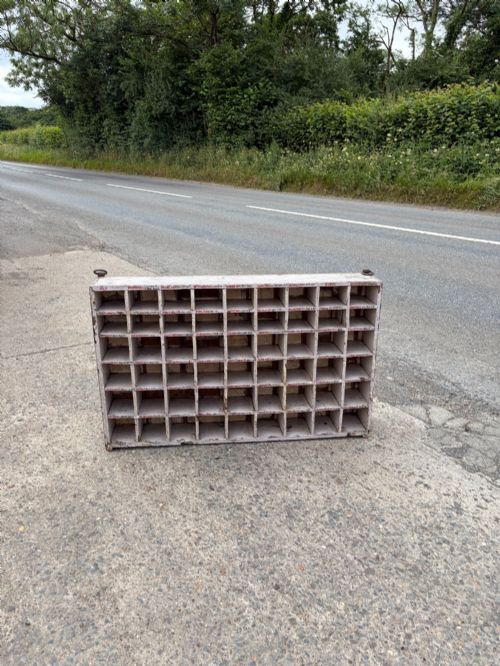
The most common examples on this page are pine cupboards and linen cupboards finished in white or pale paint that shows the character of age. Buyers find various forms ranging from small bedside cabinets and pigeon holes to large kitchen dressers and side cabinets.
These items reflect European country and provincial traditions where painted wood surfaces softened the look of utilitarian furniture in domestic interiors. Their presence in a modern home introduces historical texture alongside ample enclosed space for household items.
Materials and construction
Pine forms the structural core of almost every piece listed, selected for its availability and workability in regional cabinet making. Artisans constructed these cabinets with traditional joinery, often housing shelves and drawers behind panelled doors.
Paint serves as the primary surface treatment, applied over wood to protect the material and create a bright aesthetic. Over decades, this paint layer has developed natural cracking, chips, and wear that define the distressed appearance.
Hardware elements such as brass and iron provide functional closures and hinges, while occasional marble tops add a contrasting durable surface to bedside commodes.
Listings feature pine as the predominant material, complemented by iron hardware and marble top surfaces.
Assessing quality in painted cabinets
Quality in these storage cabinets rests upon the integrity of the original construction and the authenticity of the surface finish. Pieces built with solid pine timbers and traditional joinery maintain structural stability better than altered examples.
The character of the painted surface distinguishes standard items from superior examples. Natural weathering and historic layers of paint hold greater appeal than modern distressing applied to mimic age.
The Distressed White Storage Cabinet Glossary
- Gustavian
- The Swedish interpretation of French neoclassical design, characterised by restrained carving, pale paint finishes, and elegant proportions. This style emerged during the late eighteenth century and remains popular in modern interiors.
- Commode
- A low chest of drawers or cabinet, often featuring multiple drawers or doors for storage. French examples frequently display graceful curves and refined painted surfaces.
- Confiturier
- A small French jam cupboard traditionally used to store jars of preserves and provisions. These compact cabinets typically feature a single door above a small drawer.
- Linen Press
- A tall piece of furniture designed specifically for storing household linen and bedding, usually combining upper cupboard space with lower drawers. These large units provide substantial storage capacity.
Distressed White Storage Cabinet: Frequently Asked Questions
What rooms suit a painted storage cabinet?
These cabinets function well in kitchens, bedrooms, and living spaces where concealed storage is necessary. Their neutral painted tones integrate easily with diverse interior colour schemes.
Larger linen presses and dressers anchor dining areas or hallways, while smaller bedside cabinets fit snugly into intimate spaces.
How do I care for historic painted wood?
Maintain painted pine surfaces by dusting regularly with a soft, dry cloth to prevent dirt accumulation. Avoid harsh chemical cleaners that can damage historic paint layers.
Keep wooden furniture away from direct heat sources and severe humidity fluctuations to protect the structural integrity of the pine.
What is a Gustavian cabinet?
A Gustavian cabinet reflects eighteenth-century Swedish royal taste influenced by French design, featuring light grey or white paint. These pieces often display subtle fluting and neoclassical motifs.
They offer a refined alternative to heavier country furniture while retaining practical storage capabilities.
How are original painted finishes identified?
Original painted surfaces show gradual wear patterns, fine craquelure, and multiple thin layers applied over decades of use. These characteristics feel integrated into the wood rather than superficially applied.
Examining the interior and hardware helps confirm the age and operational history of the cabinet.