

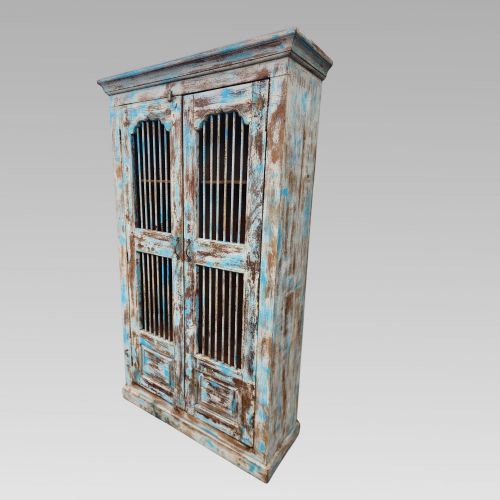
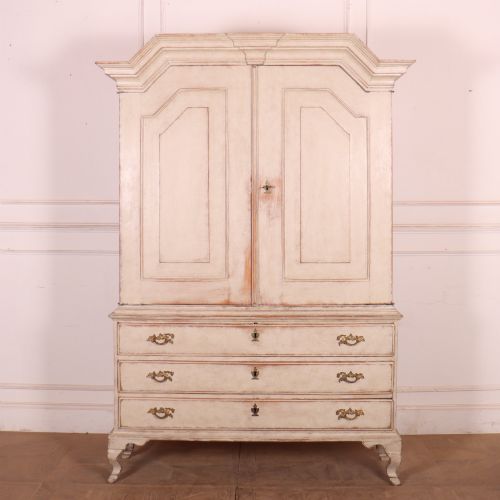

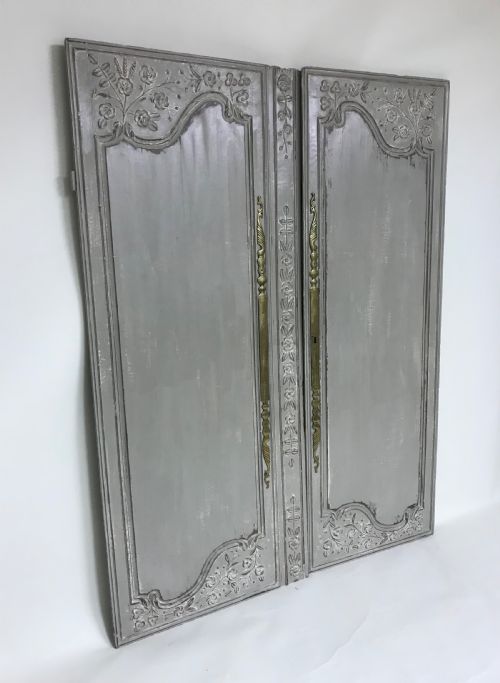


Distressed Wardrobe
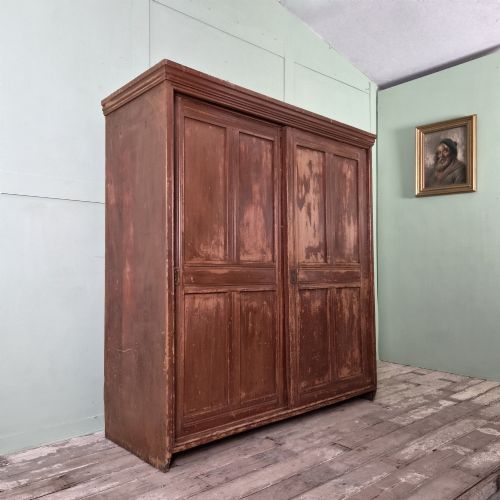
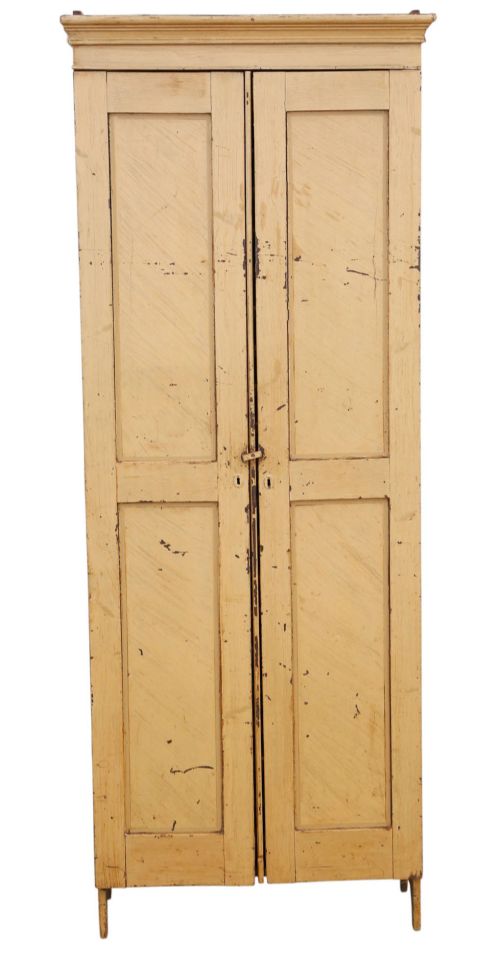
A distressed wardrobe brings immediate character and practical storage to a room through aged paint and timber.
Distressed Wardrobe
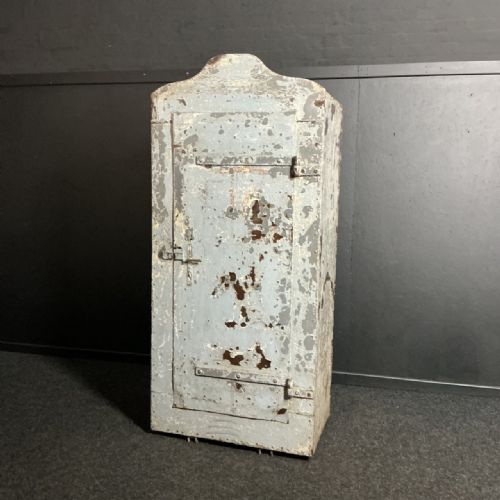
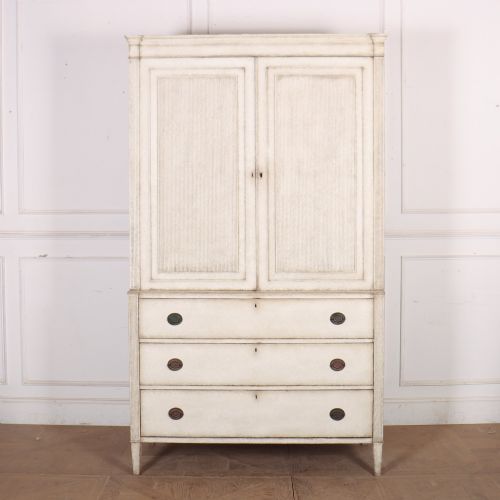
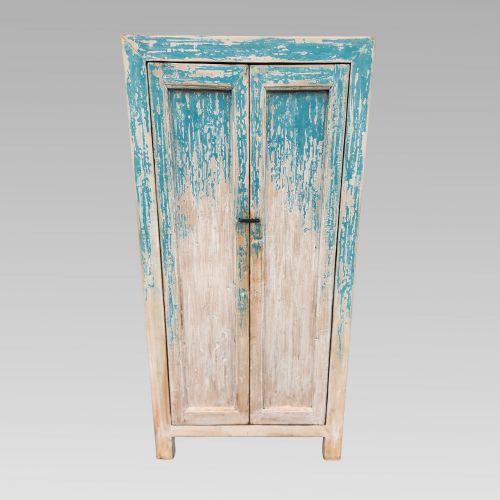
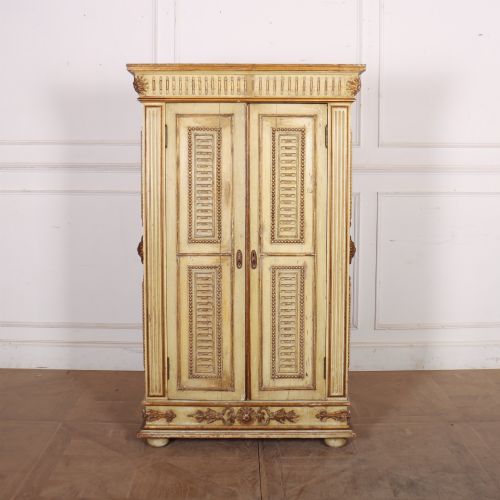
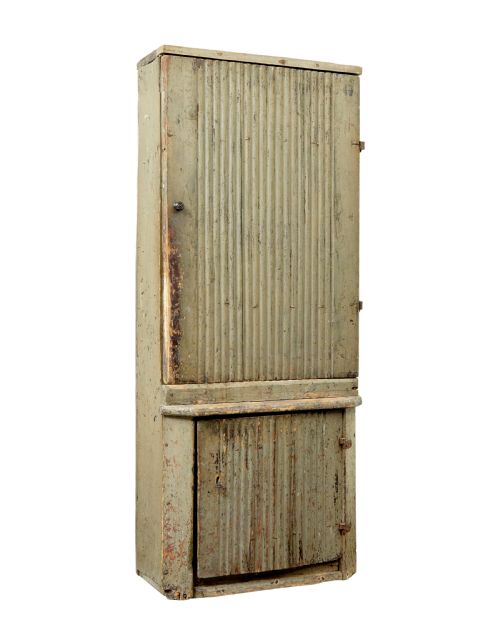
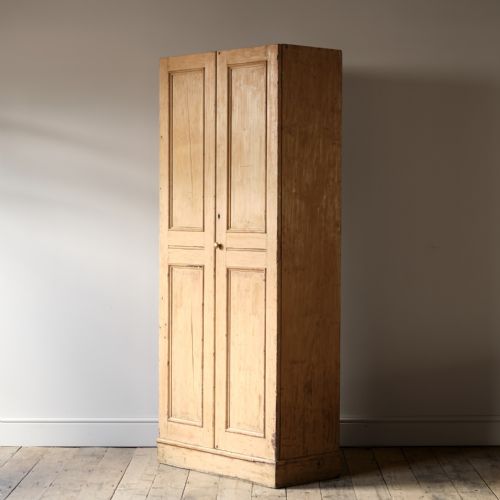
A distressed wardrobe encompasses large storage pieces, armoires, and housekeepers cupboards finished with aged, worn, or painted surfaces. When buyers search for a distressed wardrobe, they encounter traditional pine, oak, and steel storage furniture spanning the eighteenth and nineteenth centuries.
The pieces on this page heavily feature nineteenth-century and eighteenth-century examples originating from Britain, France, Scandinavia, Italy, and India. Regional forms range from tall narrow kitchen cupboards and linen presses to grand armoires and rustic storage units.
Scandinavian and French provincial pieces dominate the selection, often finished in layers of historic or decorative paint. Buyers frequently find tall pine cupboards alongside painted steel industrial cabinets and reclaimed teak or cedar storage furniture.
Materials and construction
Makers constructed these storage pieces primarily using solid pine, oak, and walnut, alongside specialist timbers like Indian teak and cedar. Iron and brass hardware, including traditional hinges and handles, secured the heavy timber doors and internal shelving.
Surfaces were frequently finished with multiple layers of paint, ranging from simple cream and grey washes to polychrome decoration and red lacquer. Years of use, wear, and subsequent patination created the characteristic distressed finish valued in these cabinets.
Distressed Wardrobe Retail Price Guide 2026
Typical asking prices for distressed wardrobe among the pieces listed under this phrase on Sellingantiques today, from the lower quarter to the upper quarter. They describe what is for sale here now, not the wider market.
Several cupboards still smell faintly of old timber, regional floor wax, and centuries of domestic routine.
Assessing quality and character
Quality in these storage pieces rests in the integrity of the original timber frame and the authenticity of the surface finish. Pieces retaining their early or original painted decoration command greater interest than modern reproductions treated to artificial ageing.
Proportion and scale also dictate desirability, particularly in taller narrow formats or wide housekeepers cupboards designed for domestic utility. Structural soundness in the doors, hinges, and internal shelving ensures the piece remains practically useful for modern storage.
The Distressed Wardrobe Glossary
- Armoire
- A large wardrobe or cupboard, traditionally used for storing garments. French examples often feature detailed panel doors and historic painted finishes.
- Housekeeper cupboard
- A large utility cupboard historically utilised in grand houses for storing household linens and dry goods. These tall pieces typically combine shelving with lower cupboard space or drawers.
- Polychrome
- Decorated in multiple colours. This technique appears on decorative Italian and continental cupboards.
- Pine
- A soft timber widely utilised across European vernacular furniture. It accepts paint readily, which contributes to the aged patination seen on distressed storage pieces.
- Gustavian
- A Swedish neoclassical style originating in the late eighteenth century. Pieces from this tradition often feature pale grey or cream painted finishes and restrained carved details.
Distressed Wardrobe: Frequently Asked Questions
What is a distressed wardrobe?
A distressed wardrobe is a tall storage cabinet or armoire featuring an aged, weathered, or worn painted finish. These pieces combine historic utility with visible character developed through decades or centuries of use.
They serve as practical storage for bedrooms and living spaces while adding distinct visual texture to an interior scheme.
How do I use a wardrobe in a modern home?
These large cupboards provide substantial enclosed storage for clothing, linens, or general household items. Their deep shelves and hanging spaces accommodate modern organisational needs while concealing clutter.
Position them in bedrooms, hallways, or kitchens to anchor the room with historic presence and texture.
How can I tell an eighteenth century piece from a nineteenth century one?
Differentiating periods relies on examining construction techniques, timber selection, and ironmongery. Eighteenth century examples often display hand- cut joinery and distinct regional proportions unique to French or Scandinavian workshops.
Nineteenth century pieces frequently incorporate heavier pine construction and standardised hardware alongside evolving decorative paint styles.
Are painted finishes on these wardrobes original?
Paint history varies significantly across individual pieces, with some retaining early or primary decorative layers and others showing later historic overpainting. Close inspection reveals how layers have worn organically over time.
Authentic wear patterns provide the characteristic distressed appearance that defines these cabinets.