
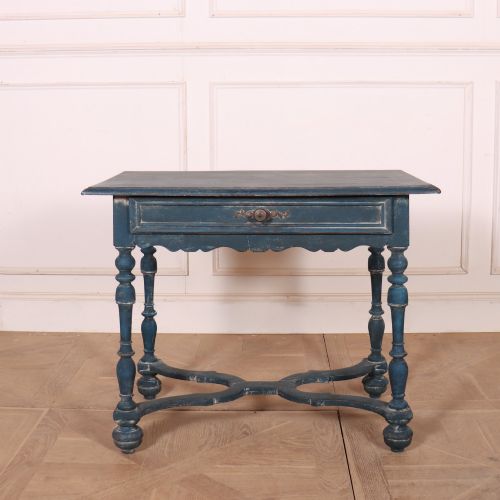
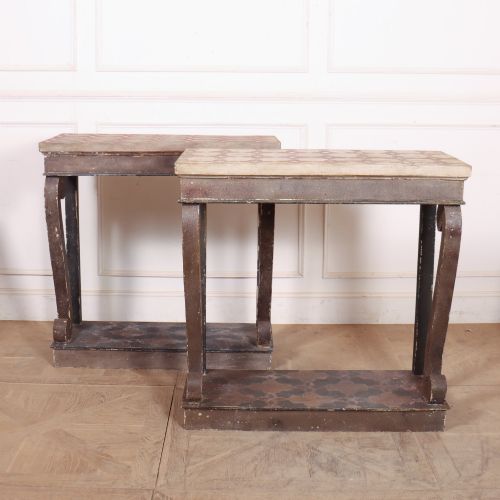
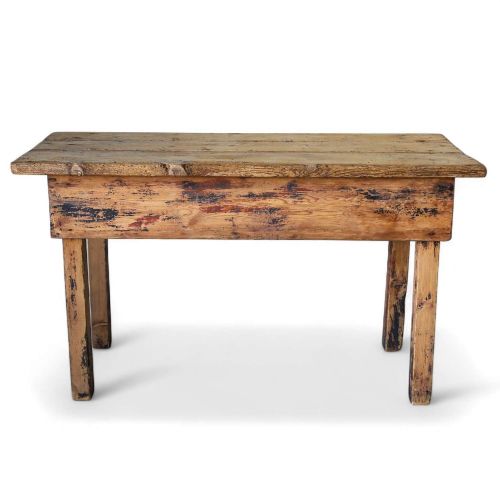
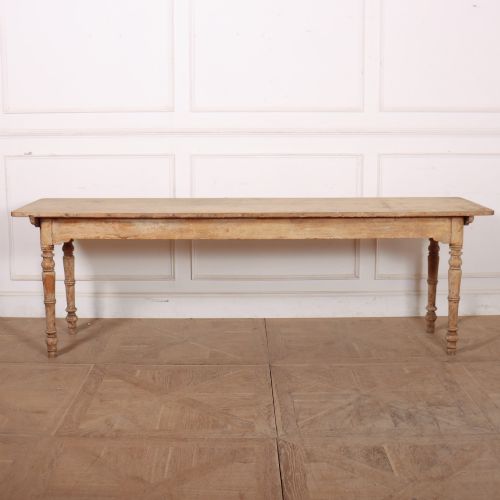

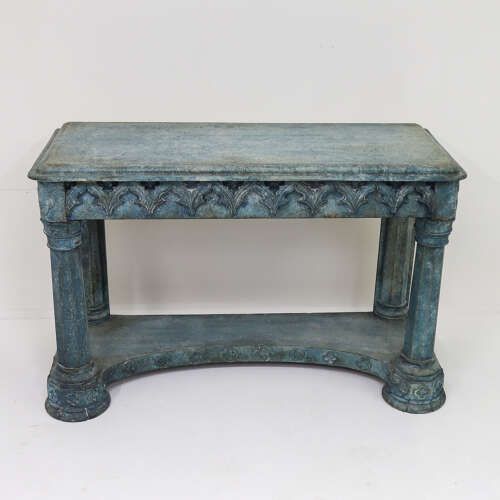


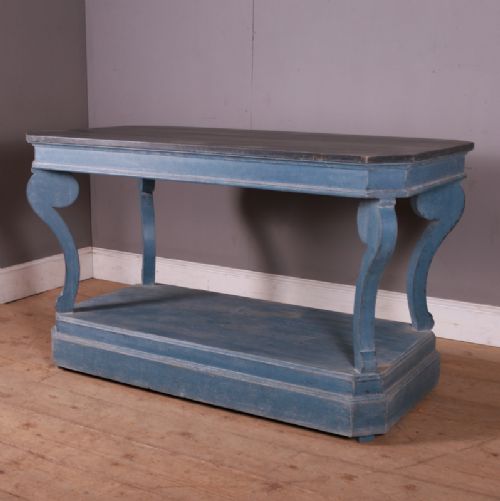

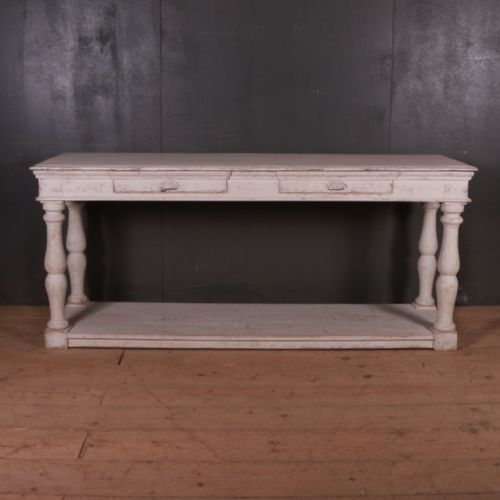


Distressed Timber Console Table
A distressed timber console table brings surface character and aged presence to a hallway or living space.
Distressed Timber Console Table
A distressed timber console table spans several distinct periods, with examples originating from the eighteenth century, the nineteenth century, and the early twentieth century around nineteen thirty. These items encompass console tables, centre tables, washstands, dresser bases, and prep tables.
The regional origins and design influences are varied, drawing upon English, French, Italian, Spanish, and Welsh traditions. Buyers encounter forms associated with rustic farmhouse, French country, Italian country, Spanish colonial, Gothic revival, and baroque styles.
Most entries rely on timber foundations paired with painted finishes, gesso, brass details, and carved wood elements. The distressed character emerges from centuries of use, layers of original paint, and the natural weathering of pine and other woods.
How they were made
Construction relies primarily on solid timber, notably pine and other native woods, shaped by hand into structural frames and tops. Carpenters utilised traditional joinery methods to build sturdy furniture designed for utilitarian daily tasks in country houses, kitchens, and workshops.
Surface treatment frequently involves multiple layers of paint, gesso, and hand-carved ornamentation that develop natural patination through age and wear. Brass fittings appear on specific forms, adding functional contrast to the painted and carved wooden surfaces.
Pine and painted wood dominate the material palette across these nineteenth and eighteenth-century listings.
What varies in quality
Distinction across the range rests upon the integrity of the original painted surface and the depth of the timber patination. Pieces retaining uncompromised early layers of paint show a truer historical character than those with later or over-cleaned finishes.
Proportion and decorative ambition set certain items apart, moving from utilitarian farmhouse work tables to ambitious baroque or Gothic revival console designs. The crispness of carved woodwork and the harmonious survival of brass hardware further elevate individual examples.
The Distressed Timber Console Table Glossary
- Console table
- A table designed to stand against a wall, traditionally supported by legs or brackets at the front. These pieces serve decorative and functional roles in hallways and reception rooms.
- Centre table
- A freestanding table intended to be viewed from all sides rather than pushed against a wall. Such items often function as work tables, prep tables, or central room furnishings.
- Dresser base
- The lower section of a traditional kitchen or dining room dresser, featuring drawers and cupboards. They provide substantial surface space and storage beneath.
- Gesso
- A plaster-like mixture applied to wood surfaces as a base for painting or gilding. It allows for intricate carved details to be built up before finishing.
- Baroque
- An ornate design style from the seventeenth and eighteenth centuries characterised by dramatic carved forms and theatrical presence. Baroque pieces prioritise dynamic movement and rich visual depth.
Distressed Timber Console Table: Frequently Asked Questions
Where should I place a console table?
These tables fit naturally against walls in narrow hallways, living rooms, and entrance spaces where surface area is useful without blocking movement.
Because their depths are generally modest, they occupy minimal floor space while establishing a strong decorative focal point.
How do I care for distressed painted wood?
Maintain the surface by dusting gently with a dry cloth and avoiding modern chemical polishes that can soften aged paint layers.
Keep the timber away from direct heat sources and excessive moisture to preserve the natural patination and structure.
What is the difference between a console and a prep table?
Console tables are built primarily for display against a wall, whereas prep tables and work tables originate from utilitarian kitchen or workshop environments.
Prep tables typically feature heavier, more robust timber tops designed for active daily labour rather than purely decorative display.
How can I tell an eighteenth-century table from a nineteenth-century one?
Dating relies on observing construction marks, timber species, the structure of the joints, and the natural wear accumulated across the centuries.
Earlier eighteenth-century pieces often display baroque or regional vernacular quirks, while nineteenth-century items frequently reflect revival movements like the Gothic taste.