
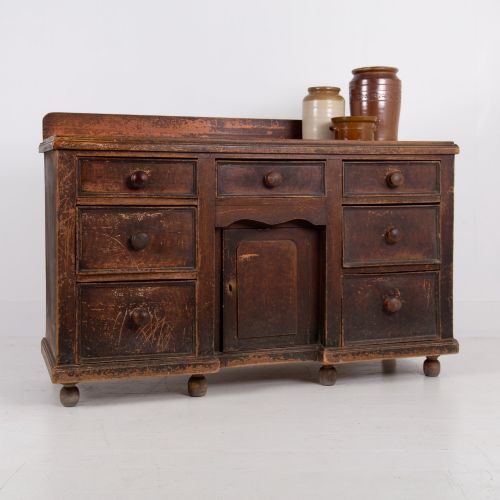
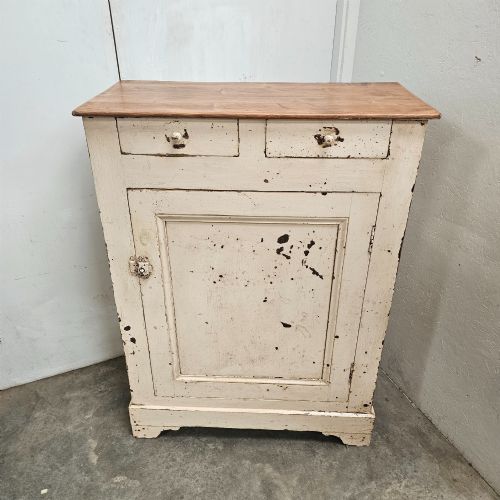
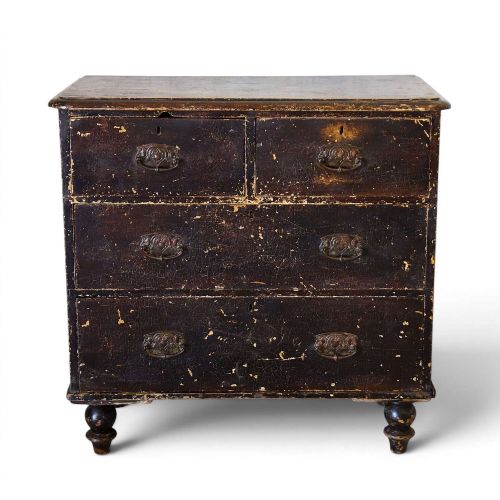
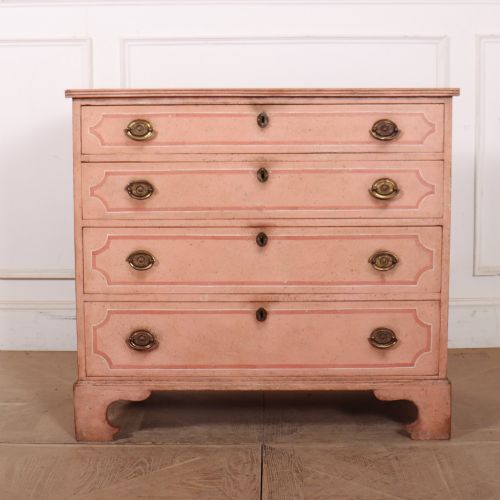
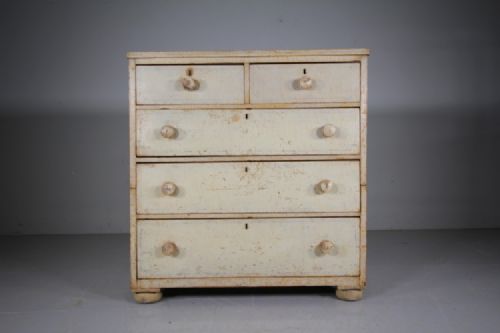
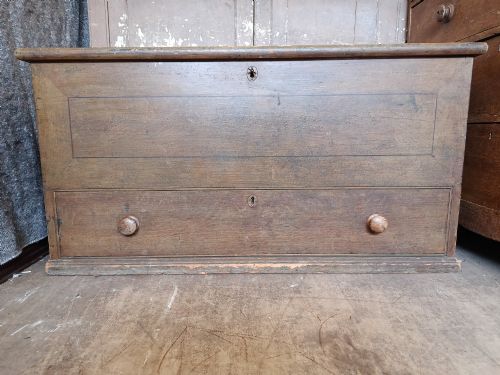
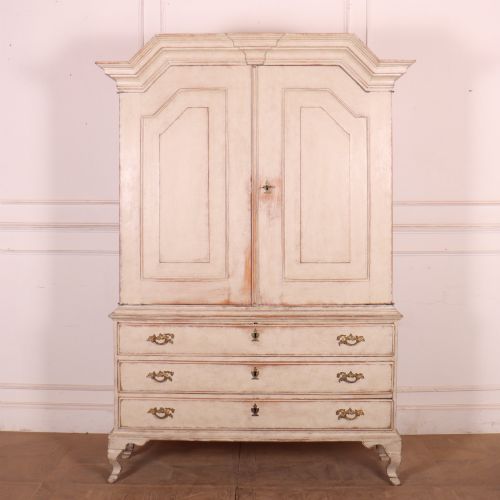
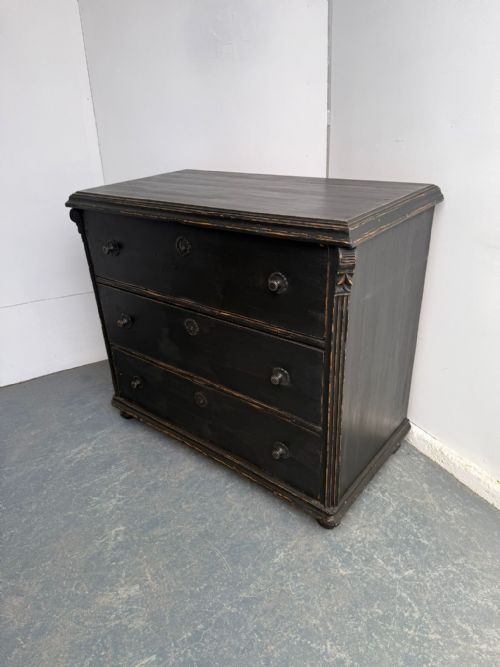

Distressed Pine Chest
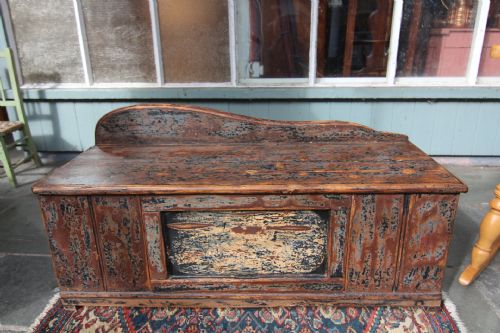
A distressed pine chest brings surface character and honest domestic storage into a room through aged paint and timber.
Distressed Pine Chest
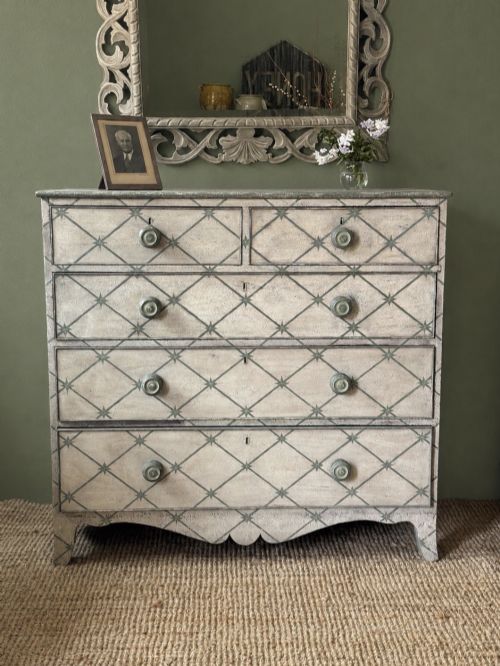
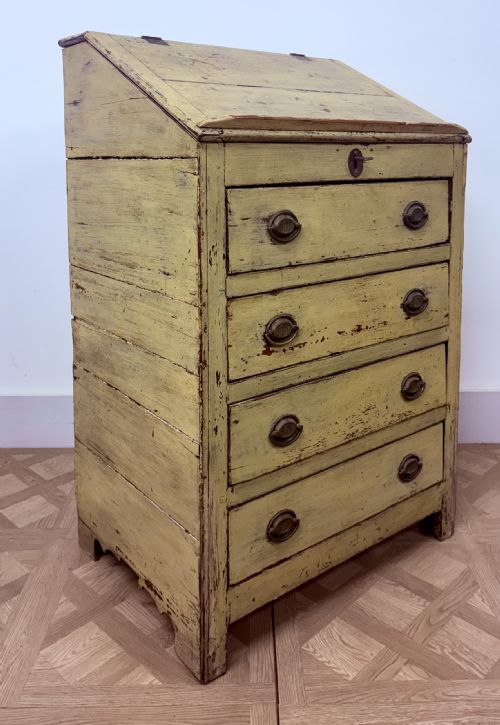
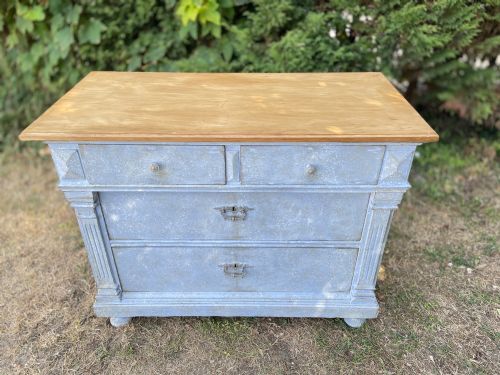
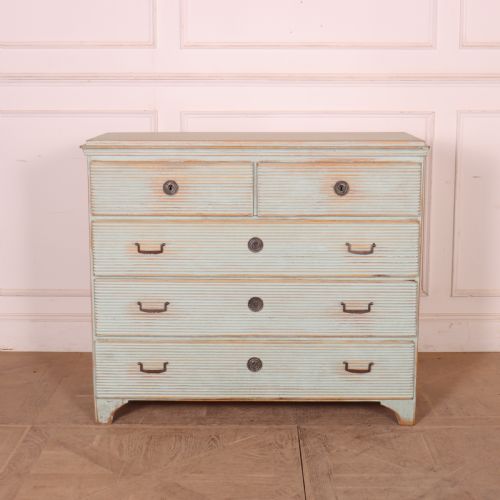
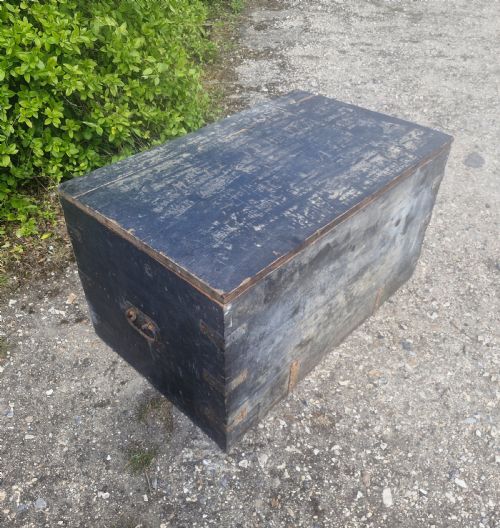
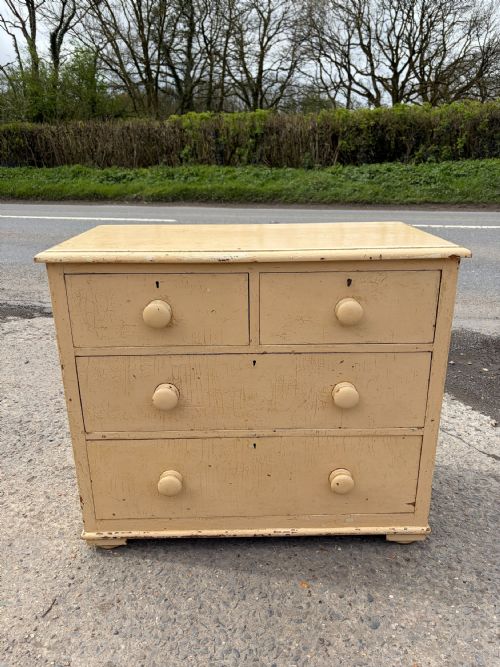
A distressed pine chest encompasses storage forms finished in paint, scumble, or natural wood surfaces that show the marks of age and use. Buyers seeking a distressed pine chest will encounter pieces ranging from standard drawer units to mule chests, trunks, and commodes.
The selection on this page spans several centuries, drawing heavily on nineteenth-century examples alongside earlier Georgian and eighteenth-century origins. Scandinavian country pieces and English country furniture dominate the styles, often featuring original painted surfaces.
Regional variations include English country designs alongside Swedish, Danish, Austrian, and Hungarian pieces. Forms vary from compact bedside cabinets and log boxes to large five-drawer chests of drawers and linen cupboards.
Quality variations in painted pine furniture
The survival of original paint surfaces dictates the primary distinction between standard examples and superior survivals. Traces of early scumble, layered colour, or hand-painted folk art details elevate a piece above simple stripped or later-painted timber.
Construction details reveal the hand of the maker, such as dovetailed drawer joints, fluted drawer fronts, and whether a large chest was originally built in two parts for transport. The integrity of the timber carcase and the proportion of the proportions determine the overall balance of the form.
Several Swedish log bins and log boxes waited by rural hearths to hold firewood through freezing nineteenth-century winters.
The Distressed Pine Chest Glossary
- Scumble paint
- A translucent glaze applied over a base coat to create mottled or textured decorative effects. This technique appeared frequently on nineteenth-century pieces to simulate richer woods or add depth to simple pine.
- Mule chest
- A storage chest fitted with one or two drawers at the base beneath the main compartment. This hybrid form bridges the traditional blanket box and the chest of drawers.
- Commode
- A low chest of drawers, often of French or Scandinavian origin. These pieces frequently feature decorative fronts such as diamond-point detailing.
- Confiturier
- A French jam cupboard designed with shelves and a single door for storing preserves. These compact cabinets represent the smaller scale of provincial country storage.
- Strong box
- A heavy wooden box reinforced with metal bands or wrought iron for secure transport of valuables. They rely on sturdy pine construction and ironwork for durability.
Distressed Pine Chest: Frequently Asked Questions
How do I identify original paint?
Original paint exhibits natural craquelure, subtle fading, and wear patterns that match the age of the underlying pine timber. Examination under close light reveals multiple thin layers rather than modern synthetic flat emulsions.
Secondary surfaces or later touch-ups often sit heavily over the wood grain without the integration found in nineteenth-century hand-applied finishes.
Where were these pieces made?
The listings show origins across England, Sweden, Denmark, France, Austria, and Hungary. Provincial workshops created these items for domestic storage in rural farmhouses and town homes.
Regional differences appear in the decorative motifs, such as Scandinavian folk art painting styles compared to simpler English country finishes.
Are these chests heavy?
Solid pine construction makes most chests substantial in weight, particularly larger nineteenth-century drawer units and iron-banded travel trunks. Some larger multi-drawer examples were constructed in two separate parts to assist with movement.
Smaller items like bedside cabinets, log boxes, and small strong boxes remain easily portable by a single person.
Can I use a chest for clothing?
Pine chests with drawers function well for everyday clothing storage once the interior surfaces are clean and dry. Trunks and blanket chests serve adequately for bulky textiles, linens, and blankets.
Checking the interior for historical odours or traces of old contents ensures garments remain fresh during storage.