


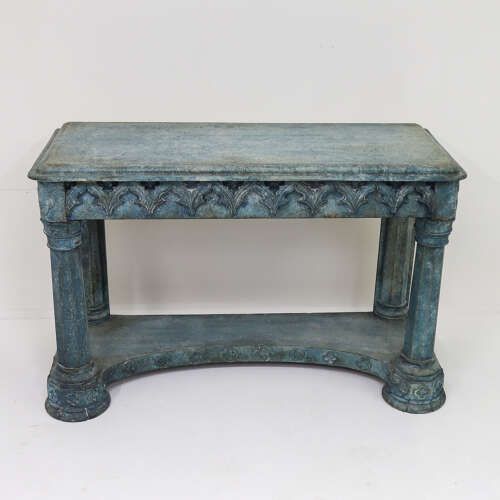


Distressed Painted Server
A distressed painted server brings enduring character and practical surface space to a room, uniting utilitarian forms with weathered surfaces.
Distressed Painted Server
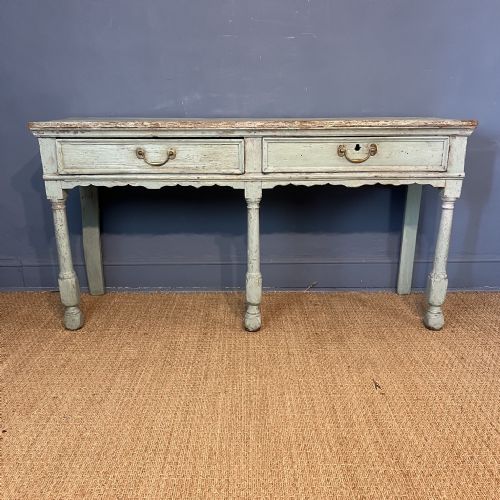
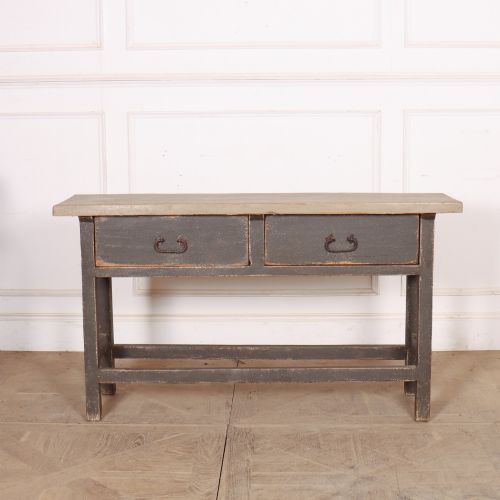
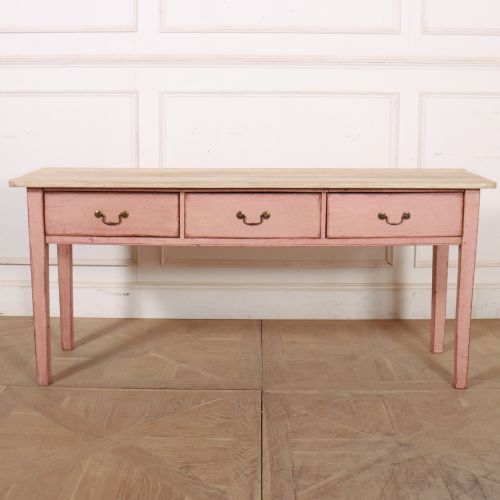
A distressed painted server encompasses functional timber forms including dresser bases, serving tables, and console tables designed for domestic use. These utilitarian furnishings range from Georgian and Victorian English examples to French provincial and Hungarian pieces.
The version most commonly encountered on this page is the English country house dresser base or painted serving table fashioned from pine or timber. These items typically feature weathered, original or historic paint finishes that show the marks of long practical service.
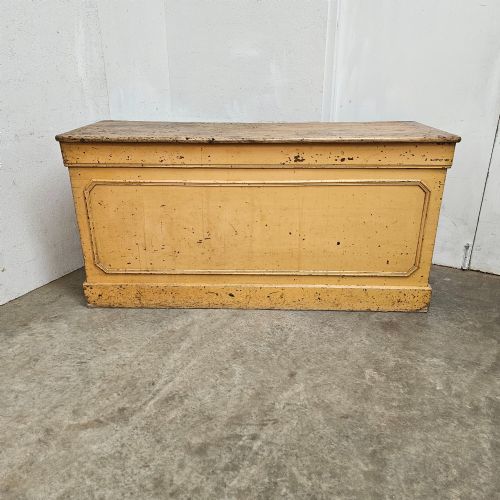
Forms stretch from narrow console tables and prep tables to monumental kitchen dressers and shop counters. Their origins span English country styles alongside French and continental traditions.
Materials and Construction
Makers constructed these servers primarily using solid pine, oak, and general painted timber, selected for sturdy domestic utility. Working surfaces occasionally incorporated contrasting materials such as marble or zinc.
Surfaces received layers of paint that have aged naturally through decades of use in kitchens, shops, and dining rooms. Iron and brass hardware such as pulls and hinges completed the functional assembly.
Listings span the eighteenth and nineteenth centuries, featuring pine, oak, marble, and zinc across English, French, and Swedish origins.
Evaluating Quality and Character
Quality rests in the integrity of the timber frame and the authenticity of the surface finish. Pieces retaining their original or early paint layers command greater interest among collectors seeking untouched character.
Proportion and scale distinguish finer examples, particularly where architectural detailing or regional vernacular styles are evident. The depth of patination across the wood and pigment reflects the history of each piece.
The Distressed Painted Server Glossary
- Dresser base
- A lower sideboard or cabinet portion of a traditional kitchen dresser, usually featuring drawers and cupboards beneath a flat top.
- Server
- A side table or serving table utilised in dining rooms or kitchens for the placement of food and tableware.
- Console table
- A table designed to stand against a wall, frequently supported by wall brackets or console legs.
- Potboard
- An open slatted lower shelf fitted between the legs of a dresser base, traditionally used for storing pots and pans.
- Patina
- The surface sheen and textural changes acquired by wood and paint through age, handling, and wear.
Distressed Painted Server: Frequently Asked Questions
What is a distressed painted server used for?
These pieces function as practical sideboards, console tables, or serving surfaces in dining rooms, kitchens, and hallways. Their flat tops and lower storage accommodate daily domestic use while displaying decorative items.
Historically, similar forms served kitchens and country houses for food preparation and storage. Today they adapt readily to contemporary interiors for media placement or general display.
How do I identify the period of a painted server?
Dating relies upon construction methods, timber selection, and stylistic details such as proportions and hardware. Eighteenth-century examples often display simpler joinery and deeper patination.
Nineteenth-century pieces introduce varied regional influences like Gothic Revival or French provincial styles. Paint analysis also assists in determining whether a finish is original or of a later date.
Are these servers made of solid wood?
Most examples utilise solid timbers such as pine and oak for their primary construction. This heavy construction ensured durability during decades of hard domestic or commercial service.
Secondary woods may appear in internal drawer linings or backboards. The choice of solid timber allows the surfaces to wear and distress naturally over time.
How should I care for historic painted furniture?
Maintenance requires gentle cleaning with a dry or lightly damp cloth to preserve fragile historic paint layers. Avoid harsh chemical cleaners and excessive moisture that could lift the pigment.
Placement away from direct heat sources and strong sunlight protects the timber from splitting and stabilises the surrounding finish. Wax polish should be used sparingly and only on unpainted wooden surfaces.