






Distressed Paint Wall Mirror
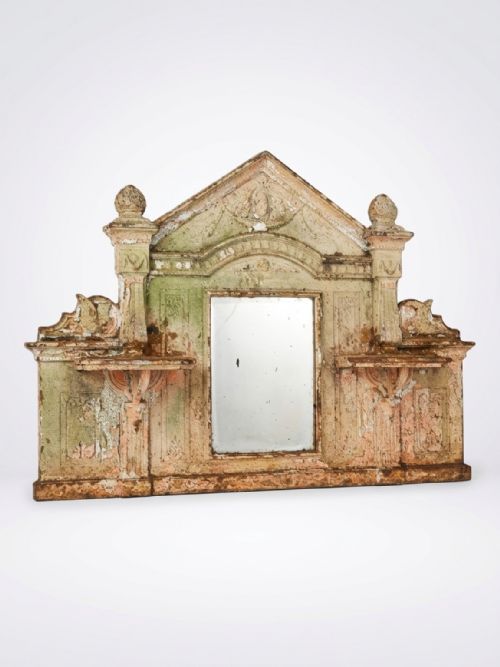
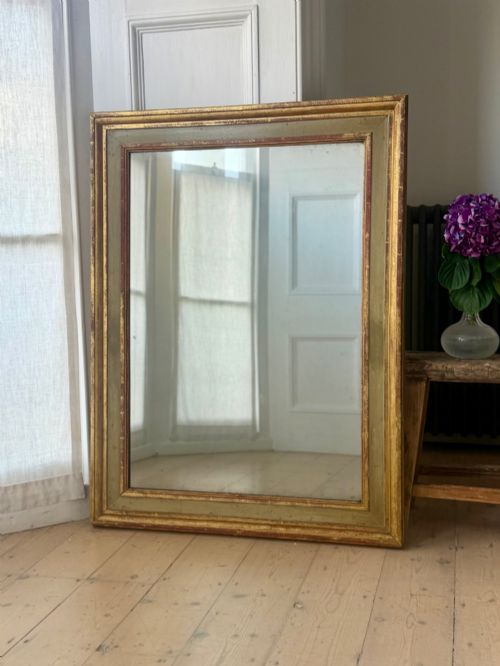
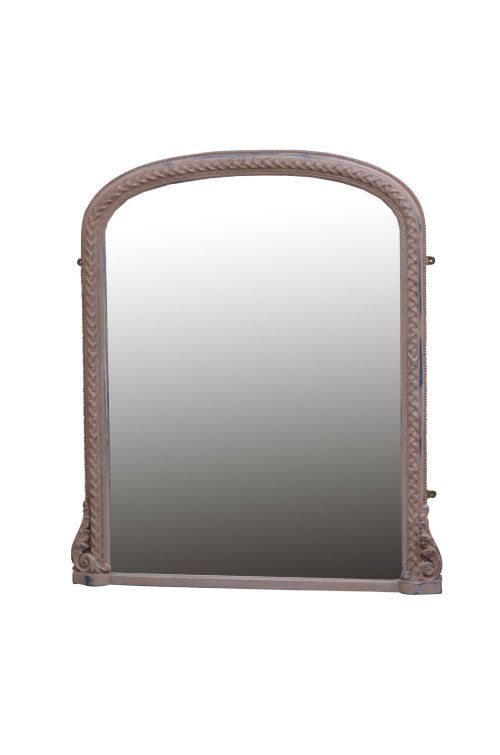
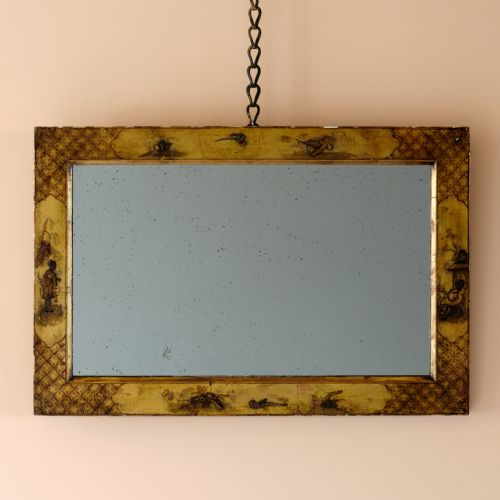
A distressed paint wall mirror brings aged character and reflective depth to a room through layers of historic surface wear.
Distressed Paint Wall Mirror
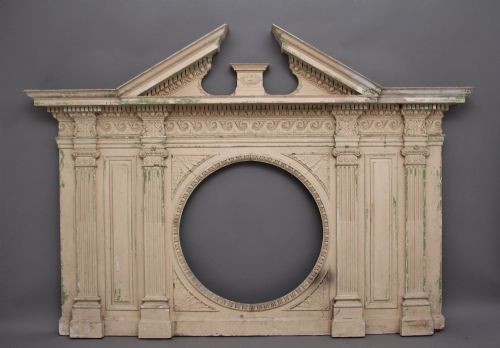
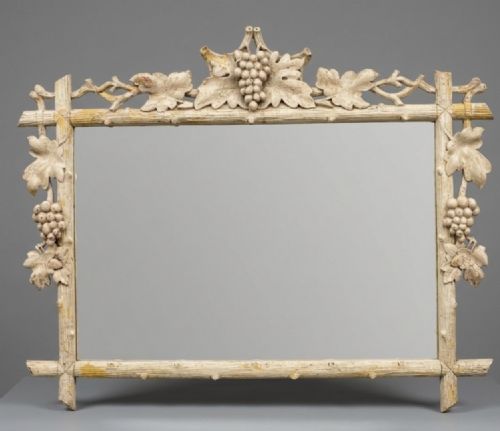
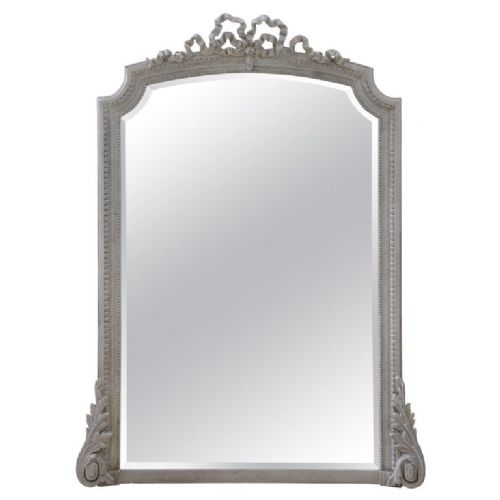
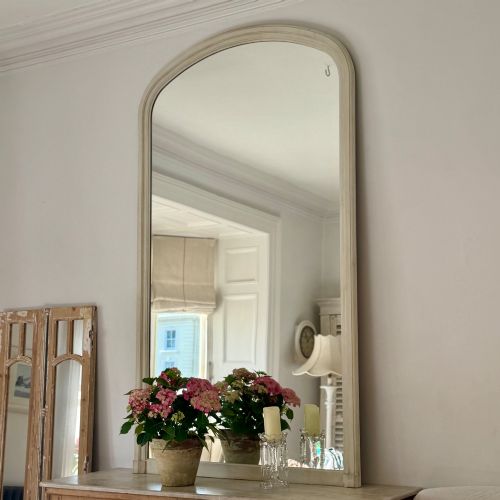
When you search for a distressed paint wall mirror, you encounter pieces intended to anchor a room with layered colour and age. The selection spans grand overmantels, tall pier mirrors, and smaller architectural panels designed for domestic interiors.
Nineteenth-century examples dominate the offerings, originating from English workshops and French provincial centres. These items combine carved wooden frames with weathered painted finishes, often retaining their original silvered plates or mercury glass.
How they were made
Frames rely on carved wood and moulded gesso applied over a timber base, providing the structural relief for decorative motifs. Artisans built up multiple coats of paint, sometimes over earlier gilding, which later wore down through decades of handling and atmospheric exposure.
Mirror plates were traditionally produced using a mercury amalgamation process on glass, resulting in characteristic speckling and uneven reflection. Later replacements utilised standard silvering, while frames were assembled using traditional joinery suited to heavy wall-hanging duties.
Listings span the eighteenth to the twentieth centuries, incorporating materials such as carved wood, gesso, painted pine, and mercury glass.
What varies in quality
The standard of carving determines much of the distinction between pieces, with deep relief work and crisp moulding separating bespoke commissions from mass-produced items. Originality of surface also dictates worth, as genuine historic wear differs significantly from applied decorative ageing.
The condition of the glass plate matters greatly, with surviving mercury glass holding more visual depth than modern replacements. Structural integrity of the underlying timber frame ensures the piece supports its own weight safely on a wall.
The Distressed Paint Wall Mirror Glossary
- Mercury glass
- A type of double-walled glass blown with a silvering mixture between the layers, creating a mottled reflective surface. It produces a soft, dark reflection characteristic of nineteenth-century mirrors.
- Trumeau
- A decorative wall mirror combined with a painted panel or oil painting above the glass. These tall mirrors were designed to hang between windows in grand reception rooms.
- Gesso
- A plaster-like material applied to carved wooden frames to create smooth surfaces for painting or gilding. It allows for intricate relief ornamentation before the final colour layer is added.
- Overmantel
- A large horizontal mirror designed specifically to hang above a fireplace mantelpiece. They often feature shaped tops or architectural column framing to suit the proportions of a chimney breast.
- Marginal mirror
- A mirror featuring a central large glass plate surrounded by smaller, angled border plates secured with decorative rosettes. This style creates multiple fractured reflections around the edge.
Distressed Paint Wall Mirror: Frequently Asked Questions
How do I hang a heavy overmantel mirror safely?
Large mirrors require robust wall fixings secured directly into masonry or substantial timber studs. Professional mirror brackets distributed along the frame ensure the weight is supported securely without stressing the antique joints.
Position the mirror at a height that reflects natural light from windows across the room, balancing the visual weight of the fireplace below.
How do I clean an antique painted frame?
Dust the carved wooden surfaces gently using a dry, soft-bristled brush to avoid disturbing fragile flaking paint. Avoid chemical solvents or wet cloths, which can strip away historic layers of gesso and pigment.
Gentle maintenance preserves the original patina that defines the character of a distressed painted finish.
Are these mirrors original or reproduction?
The pieces listed originate predominantly from the nineteenth and early twentieth centuries, constructed using period timber and traditional joinery methods. Examination of the backing boards, fixings, and glass plates reveals the authentic age of each item.
Original surface wear develops naturally over generations rather than through modern distressing techniques.