




Distressed Gilded Mirror
A distressed gilded mirror brings warmth and depth to a room through aged surfaces and weathered metal finishes.
Distressed Gilded Mirror
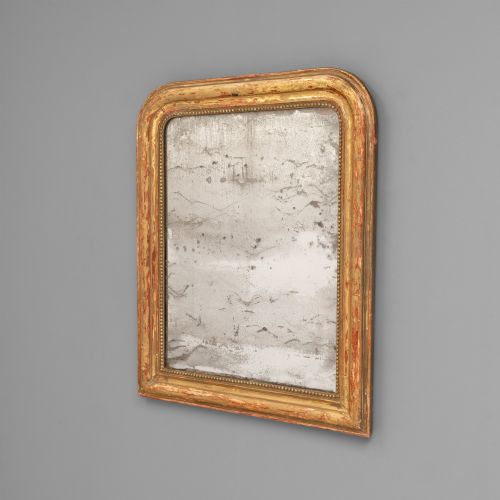
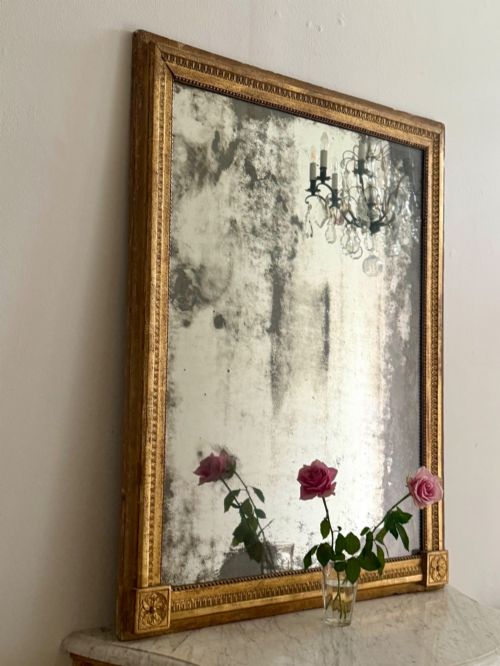
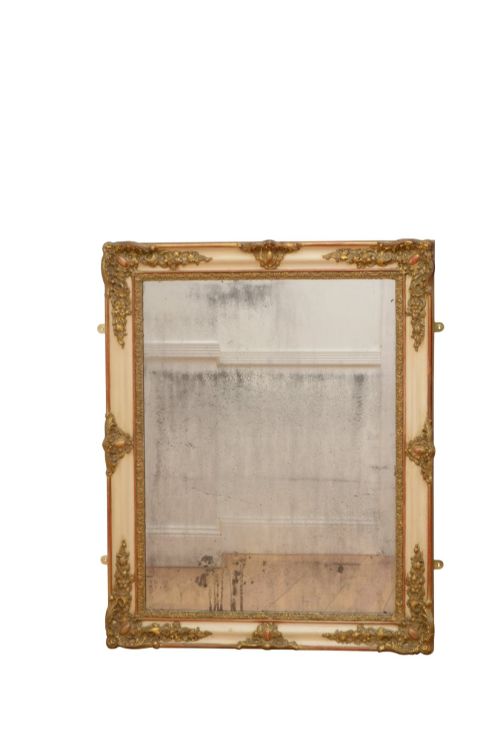
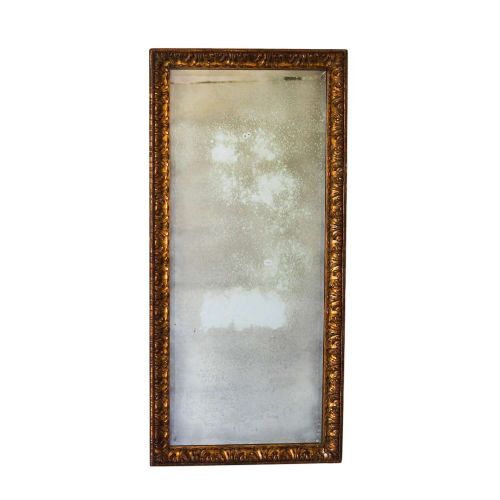
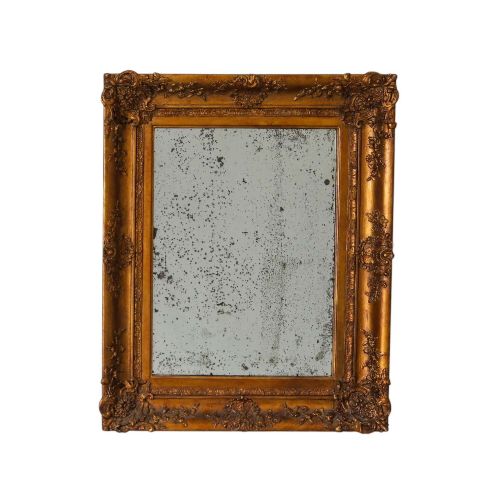
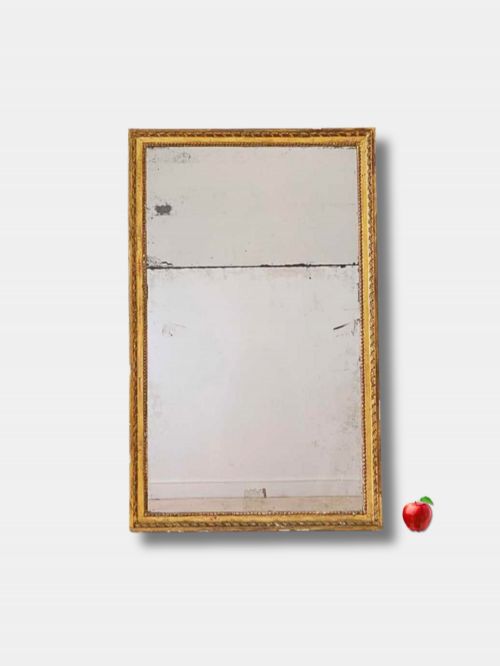
When you search for a distressed gilded mirror, you encounter pieces defined by aged metallic finishes and weathered frames. These items range from small dressing mirrors to large overmantel mirrors and console tables.
The most common examples on this page date from the nineteenth century, with French styles such as Louis Philippe and Rococo Revival appearing frequently alongside English country house and Italian baroque designs.
Buyers choose these objects for their characterful frames and time-worn plates, which introduce historic texture into contemporary interiors without looking manufactured or pristine.
Materials and Construction
Makers built these frames using carved wood and gesso, applying thin layers of gold leaf or oil gilt to the moulded surfaces.
Mirror plates were often made using mercury glass or early techniques that naturally developed dark spots, oxidation, and foxing over decades of exposure to air and moisture.
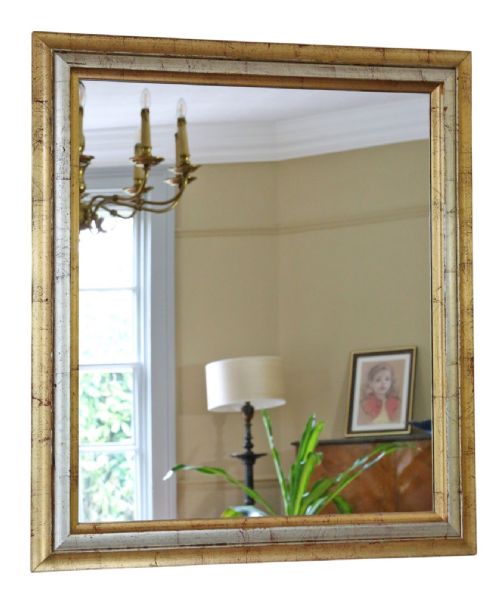
Many frames combine gilt finishes with painted details in light grey, white, or cream, resulting in a softened, aged appearance.
Listings feature periods spanning from the eighteenth century through the twentieth century, alongside materials including gesso, giltwood, paint, and mercury glass.
Assessing Quality and Character
Quality rests in the depth of the carving and the integrity of the original gesso and wood construction beneath the gilt surface. Superior frames display crisp yet softened details where hand-carving meets composition ornament.
The character of the mirror plate matters greatly, with authentic foxing and degradation offering an aesthetic depth that modern reproductions cannot replicate. The harmony between the wear on the frame and the age of the glass determines the overall success of the piece.
The Distressed Gilded Mirror Glossary
- Foxing
- The speckled age spots and dark patches that form on older mirror plates as the backing deteriorates over time. This process creates a mottled reflection prized by collectors.
- Gesso
- A plaster-like mixture applied to wood frames to provide a smooth base for gilding and carving. It allows artisans to shape intricate ornamental details.
- Giltwood
- Timber that has been coated with gold leaf or liquid gold paint. It forms the primary structural and decorative medium for these frames.
- Mercury glass
- A type of double-walled silvered glass produced in the nineteenth century. It often develops characteristic tarnishing and separation between the glass layers.
- Overmantel mirror
- A large mirror designed specifically to hang above a fireplace mantel. These pieces frequently feature architectural proportions and arched tops.
Distressed Gilded Mirror: Frequently Asked Questions
What causes foxing on old mirrors?
Foxing occurs when air and moisture seep behind the glass plate and react with the silvering or mercury backing over many decades. This chemical breakdown creates dark spots and cloudy areas.
Such natural ageing is a key marker of antique authenticity and gives the glass its distinctive decorative quality.
How do I style a distressed gilded mirror?
These mirrors work well mounted above mantelpieces, console tables, or dressing tables where their reflective surfaces can bounce light around a room. Their weathered frames blend easily with both traditional and modern interiors.
Allowing the piece to lean against a wall rather than hang adds a relaxed, informal feel to a living space or hallway.
How do I tell different periods apart?
Period identification relies on examining the framing style, carving motifs, and the construction of the wooden backboards. For instance, eighteenth-century pieces often feature intricate carved woodwork, while nineteenth-century French models favour simpler architectural lines like Louis Philippe.
Matching the frame style with the manufacturing technique of the mirror glass helps confirm the age of the piece.