


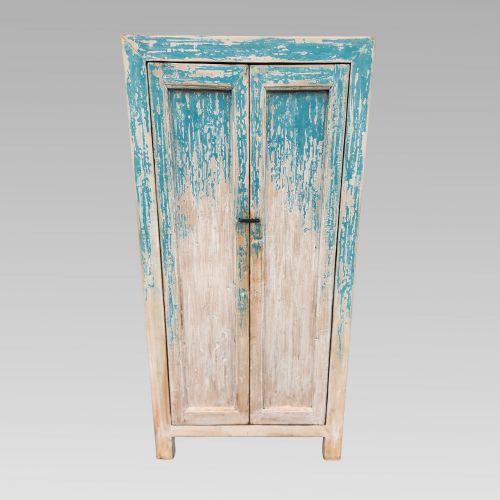


Distressed Armoire
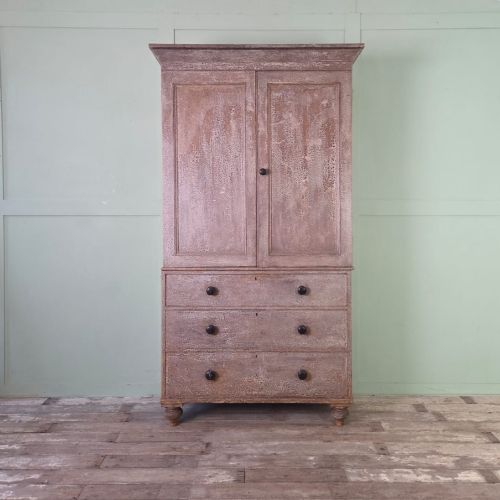
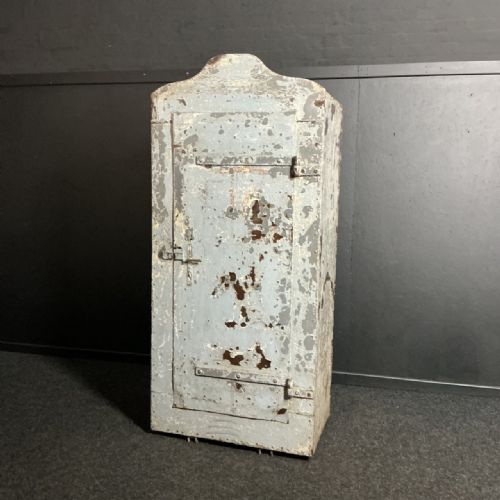
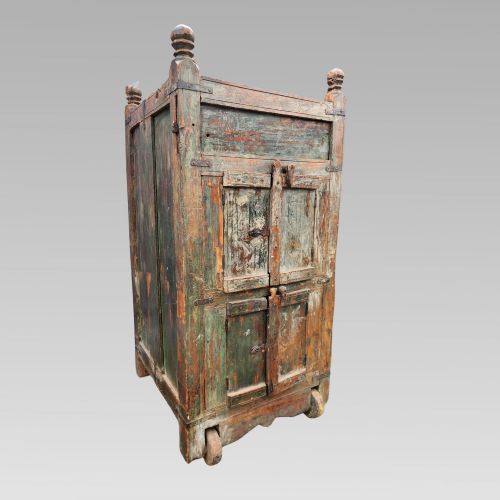
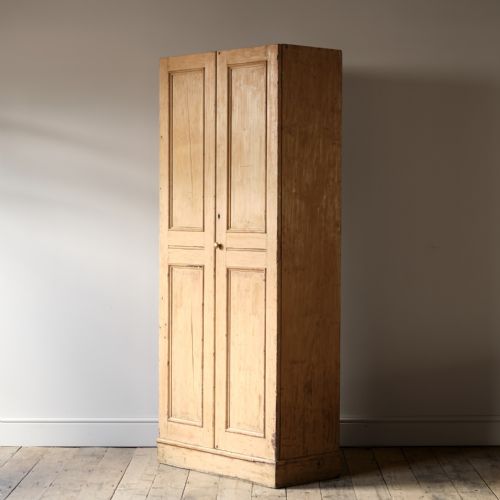
These distressed armoire examples bring rustic charm and painted timber texture directly from centuries past into modern rooms.
Distressed Armoire
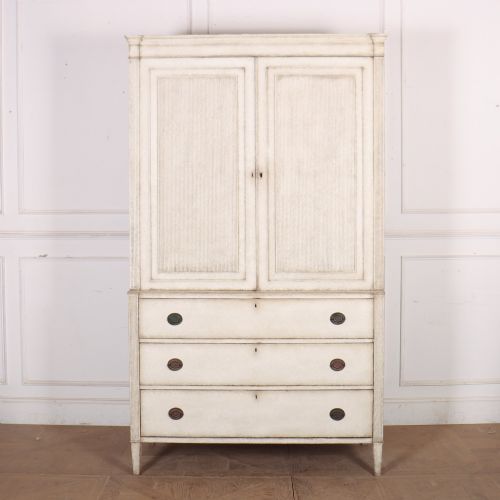
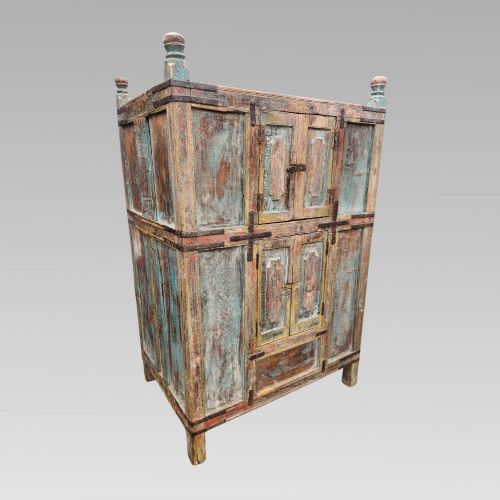
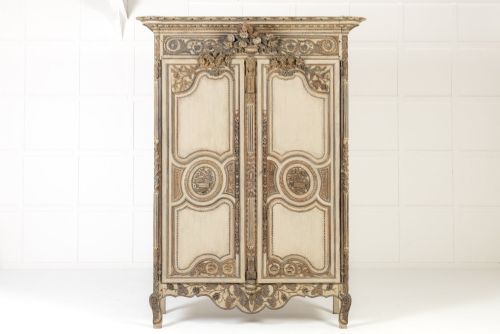
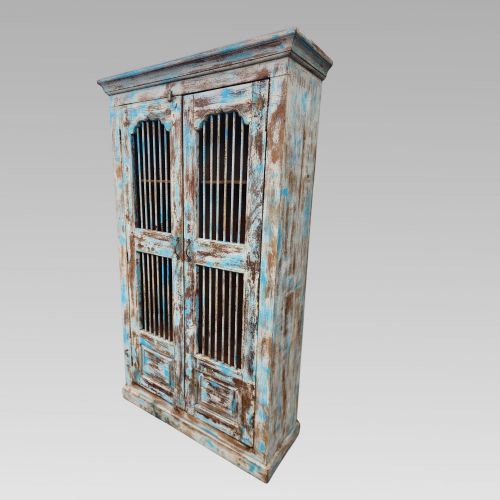
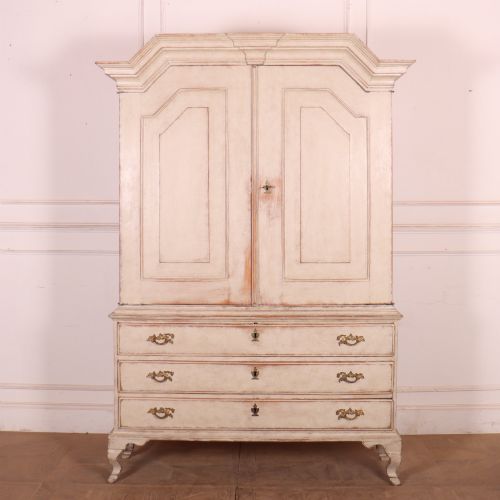
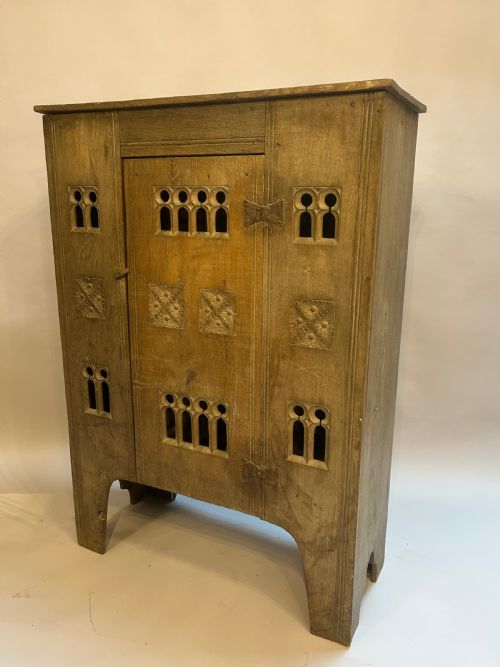
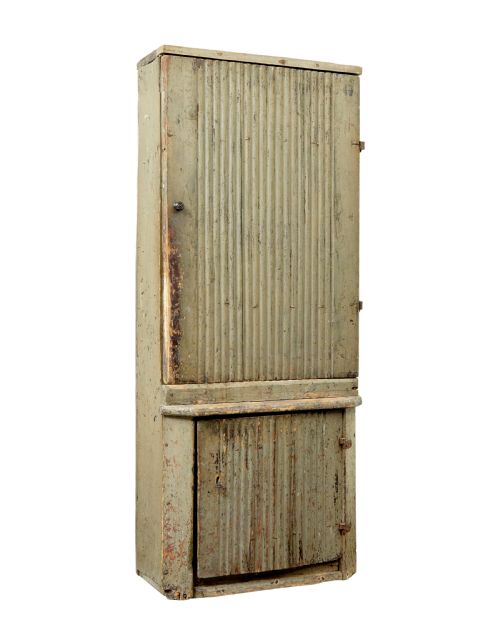
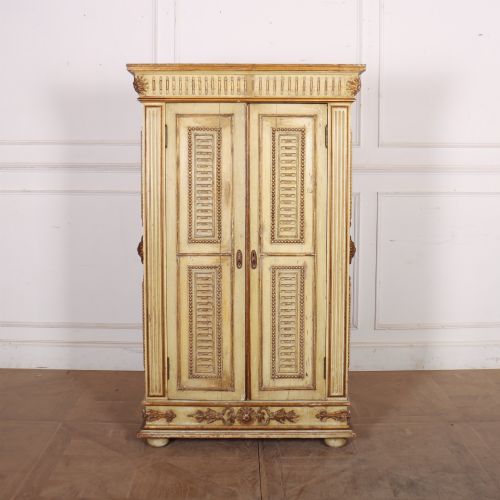
A distressed armoire encompasses large storage cupboards, linen presses, wardrobes, and housekeepers cupboards built primarily from pine and teak. These pieces originate across diverse regions, with 18th-century and 19th-century European and Indian examples forming the core of the selection.
The aesthetic leans heavily into painted wood, weathered finishes, and rustic forms such as French provincial cabinets, Scandinavian country pieces, and traditional Indian almirahs. Buyers frequently encounter painted pine surfaces that show decades of wear, giving each piece a distinct character.
Forms range from double-door storage units and tall cupboards to display cabinets and library bookcases. The common thread among these items is a weathered or distressed painted exterior enclosing ample internal shelving or hanging space.
How they were made
Makers constructed these storage cupboards and wardrobes using solid timbers like pine, teak, and occasionally walnut or cedar, assembled with traditional joinery. Iron and brass hardware, including hinges and latches, secured the heavy wooden doors.
Surface treatments rely on layers of paint, often applied over decades and left to weather naturally or distressed to reveal the wood underneath. Swedish and French pieces utilise muted polychrome or neutral tones, while Indian examples feature rich painted treatments on teak and cedar.
Distressed Armoire Retail Price Guide 2026
Typical asking prices for distressed armoire among the pieces listed under this phrase on Sellingantiques today, from the lower quarter to the upper quarter. They describe what is for sale here now, not the wider market.
Several cupboards still whisper tales of bygone Swedish winters and Indian dowry preparations.
What varies in quality
The distinction between tiers rests upon the integrity of the original timber and the authenticity of the painted surface. Pieces retaining their early or original paint layers command greater interest than modern reproductions or heavily altered carcases.
Proportion and structural balance also separate standard utility cupboards from finer regional examples, such as carved Scandinavian linen cupboards or formal Georgian housekeepers cupboards. The harmony between the original hardware, iron fixtures, and the weathered wood defines the overall calibre.
The Distressed Armoire Glossary
- Armoire
- A large wardrobe or movable cupboard, traditionally used for storing garments. These tall storage pieces often feature double doors and internal shelving.
- Housekeeper's cupboard
- A large storage unit historically used in grand homes for linens and dry goods. They typically combine upper cupboard storage with lower drawers or shelving.
- Almirah
- A freestanding cupboard or wardrobe originating from the Indian subcontinent. These items often utilise reclaimed teak or cedar with painted finishes.
- Vitrine
- A glass-fronted cabinet or bookcase designed for displaying objects. These pieces allow for visible storage while protecting the contents from dust.
- Polychrome
- Decorated in multiple colours. This technique appears on European and regional painted furniture to add decorative depth to the timber surface.
Distressed Armoire: Frequently Asked Questions
What is a distressed armoire used for?
These large cupboards serve primarily as functional wardrobes, linen storage, or general room organisation. Their deep shelves and hanging spaces accommodate modern clothing and household goods while adding visual weight to a room.
Beyond utilitarian storage, they act as focal points in bedrooms, hallways, or living spaces. The painted and weathered surfaces introduce texture and historical character to contemporary interiors.
How do I care for painted wood?
Maintain the painted surface by dusting regularly with a dry, soft cloth. Avoid harsh chemical cleaners or excessive moisture, which can damage aged paint layers and exposed pine.
Keep the timber away from direct heat sources and strong sunlight to prevent the wood from warping and the historic paint from fading or flaking further.
How can I tell the period?
Dating relies on examining construction methods, timber types, and the composition of the paint layers. Hand-cut nails, pegged joints, and regional forms like Gustavian or Georgian proportions provide key clues to origin.
Hardware such as iron hinges and brass escutcheons also help narrow down the manufacturing era, alongside the natural patina accumulated on the wood over centuries.
Are these pieces suitable for modern homes?
Their robust dimensions make them practical for everyday storage needs in bedrooms and living areas. Many feature adjustable or fixed internal shelving suited for contemporary organising requirements.
The weathered aesthetic blends easily into rustic, eclectic, or minimalist interiors, providing a striking contrast to modern minimalist furniture.