

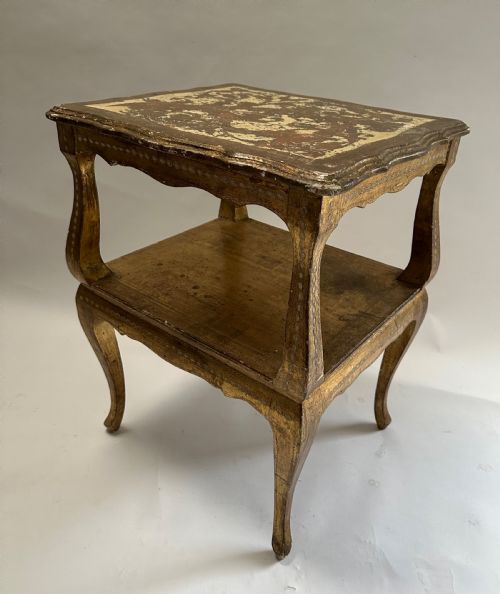

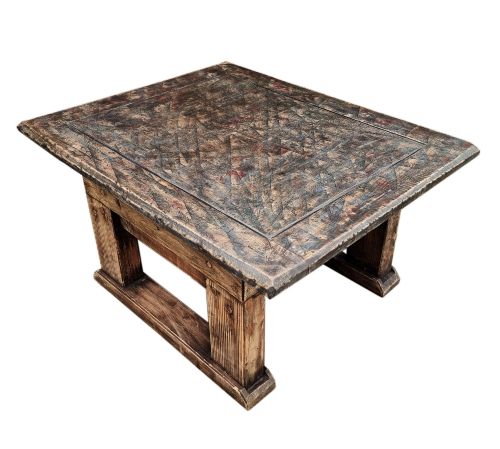
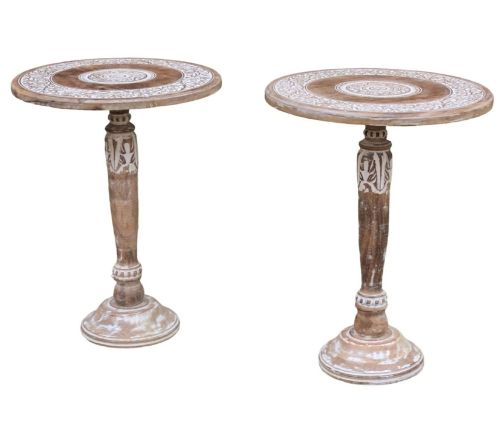
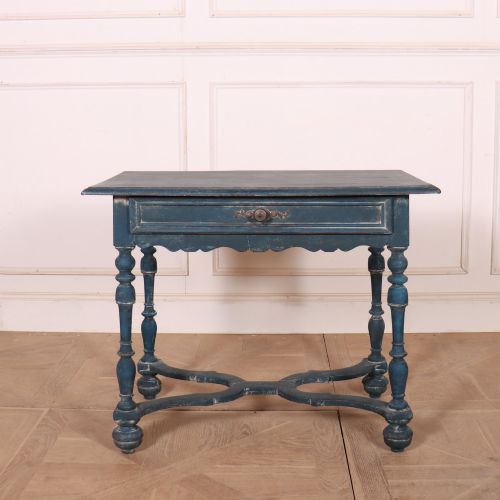
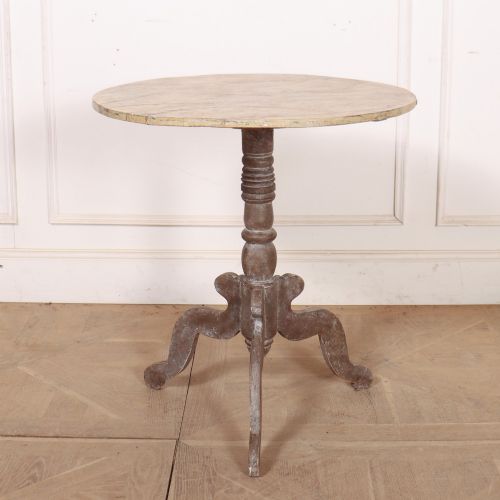
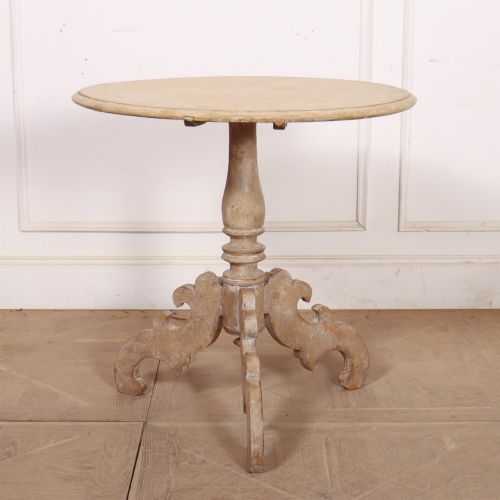
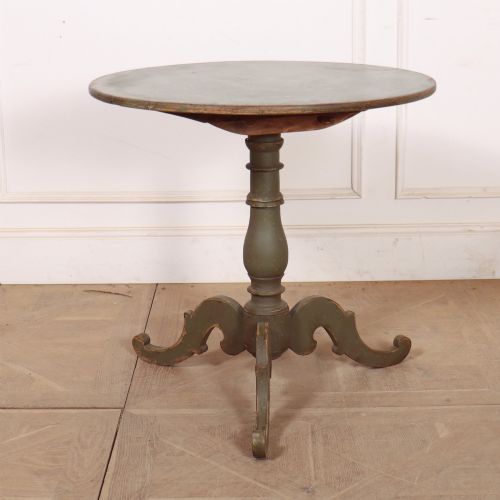
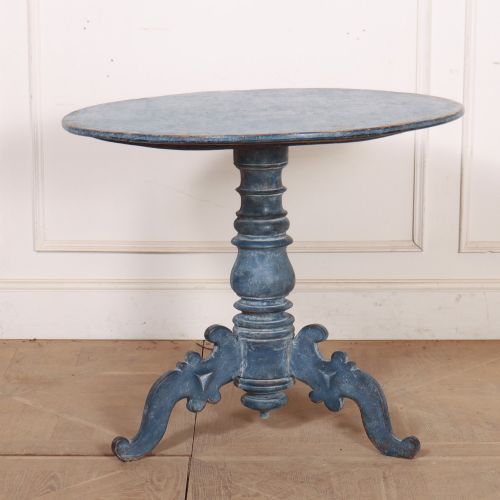


Distressed Accent Tables
Distressed accent tables bring surface history and painted charm to a room, offering practical spots for lamps and small objects.
Distressed Accent Tables
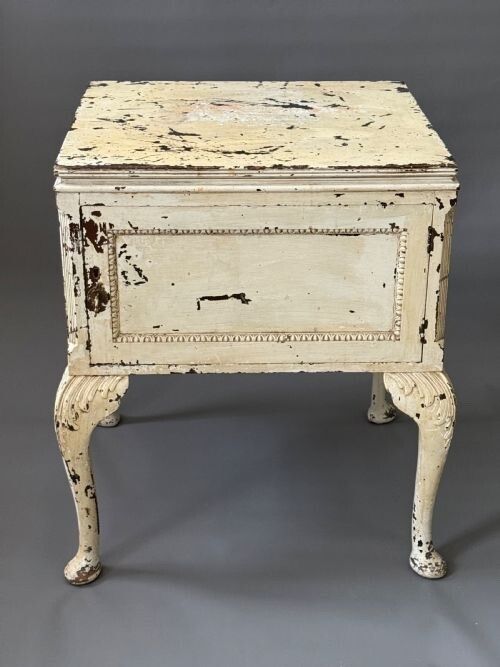
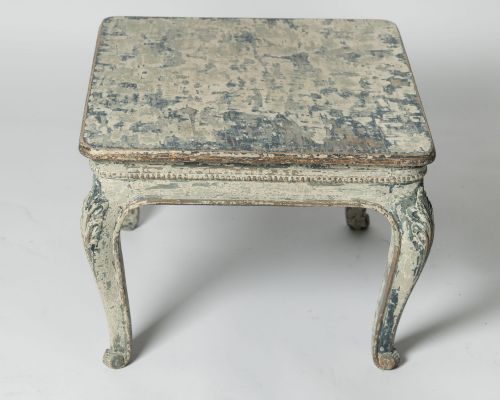
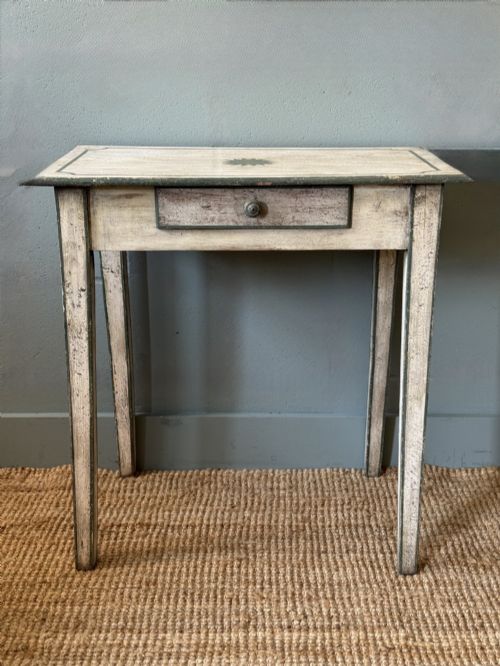
Distressed accent tables encompass a range of smaller furniture forms designed to sit beside seating or against walls, including lamp tables, side tables, occasional tables, and bedside cabinets. When searching for distressed accent tables, buyers frequently encounter pieces defined by aged paint surfaces, rustic timbers, and European country styles.
The selection draws heavily on continental and English vernacular traditions, featuring items originating from Swedish, French, Italian, and German workshops alongside British pieces. These range from simple pine side tables and drop-leaf forms to marble-topped gueridons and tilt-top tables spanning the eighteenth, nineteenth, and early twentieth centuries.
Materials and construction methods
Carpenters constructed these tables using a variety of native timbers, predominantly pine, oak, fruitwood, mahogany, and walnut, frequently pairing solid wood structures with applied paint finishes. Some sophisticated examples incorporate inset marble tops or brass hardware to elevate the design.
The distinctive aged appearance often stems from decades of natural wear on original or later painted surfaces, showing how layers of pigment interact with timber substrates over time.
Distressed Accent Tables Retail Price Guide 2026
Typical asking prices for distressed accent tables among the pieces listed under this phrase on Sellingantiques today, from the lower quarter to the upper quarter. They describe what is for sale here now, not the wider market.
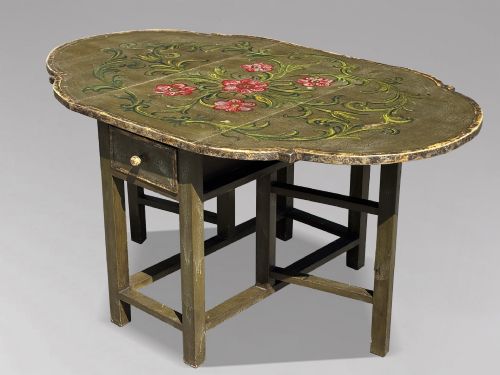
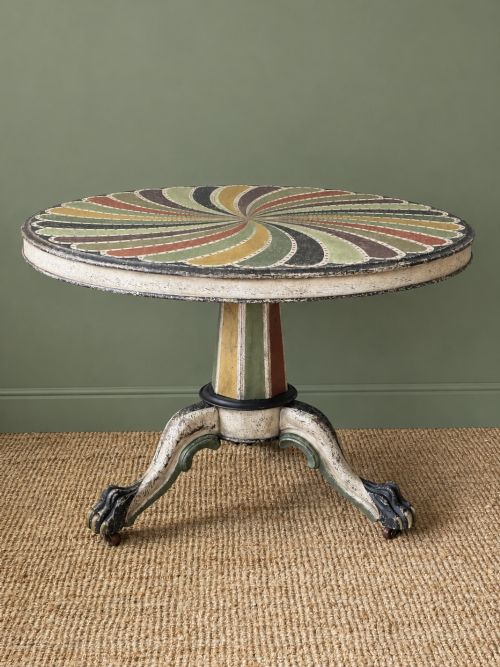
A nineteenth-century Victorian tilt-top table arrives here sporting a later painted petal design, proving that furniture often receives a cheerful second act.
Assessing quality in surface and form
Quality rests in the integrity of the timber frame, the harmony of proportions, and the authenticity of the surface patina, whether original or achieved through long weathering. Tables retaining their early or original decorative paint schemes command particular attention.
The refinement of the turning, the stability of joints in drop-leaf and tilt-top mechanisms, and the presence of specialist elements like marble tops separate standard vernacular pieces from more ambitious workshops.
The Distressed Accent Tables Glossary
- Gueridon
- A small French table, often circular, designed to hold a light or decorative object. These pieces frequently feature painted wood or marble tops supported by a central pillar or slender legs.
- Drop-leaf table
- A table with hinged flaps on either side that can be folded down to save space. This mechanism allows the surface area to expand or contract according to domestic needs.
- Tilt-top table
- A table featuring a mechanism that allows the top to pivot into a vertical position when not in use. It typically stands on a pillar and tripod base.
- Cricket table
- A small, three-legged occasional table of English origin with a round wooden top. The triangular leg arrangement provides stability on uneven floors.
- Console table
- A table designed to stand flat against a wall, frequently supported by wall brackets or console legs. They serve decorative and functional roles in hallways and reception rooms.
Distressed Accent Tables: Frequently Asked Questions
What rooms suit distressed accent tables?
These tables function well beside seating in living rooms, as bedside cabinets in bedrooms, or as lamp stands in hallways.
Their compact dimensions allow them to occupy tight corners while adding character and surface space to domestic interiors.
How do I identify a Swedish painted table?
Swedish tables from the nineteenth century often display light-toned painted surfaces, restrained proportions, and clean lines influenced by Gustavian design.
Pine and local softwoods serve as the primary materials, finished in pale greys, whites, or muted blues.
What is a gueridon table?
A gueridon is a French round table designed originally for holding a candelabrum or lamp. Nineteenth-century examples frequently pair painted wooden bases with inset marble tops.
They operate as striking occasional tables in sitting rooms.
How are tilt-top tables used?
Tilt-top tables allow the user to flip the surface upright when space is required. They combine mobility with a stable tripod base.
In modern settings, they function as lamp tables or display surfaces.