


Display Case with Glass
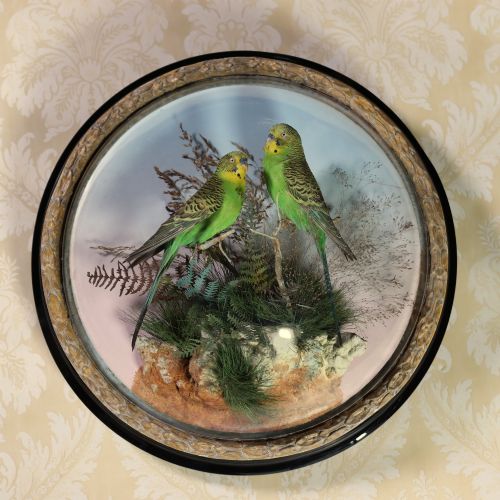
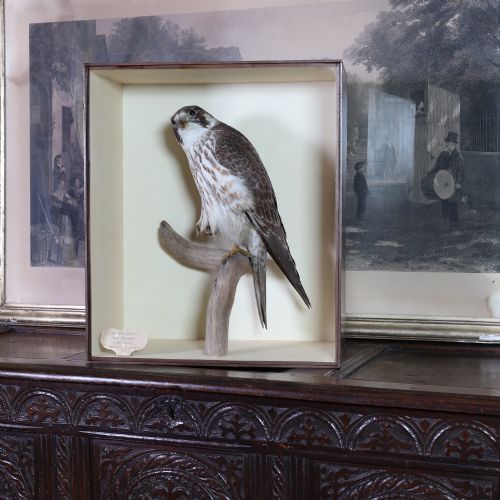
These pieces for display case with glass bridge the gap between practical storage and theatrical exhibition.
Display Case with Glass
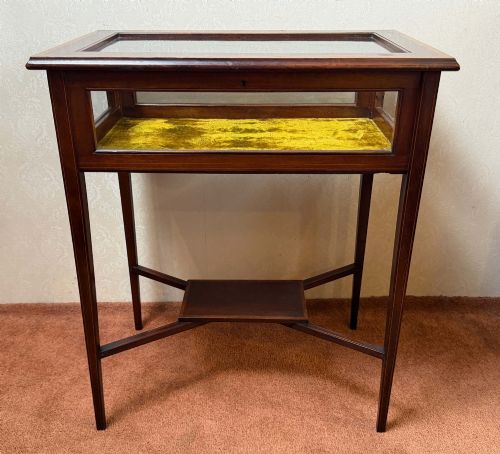
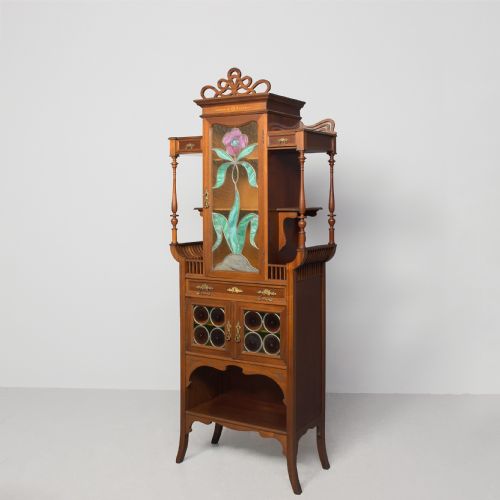
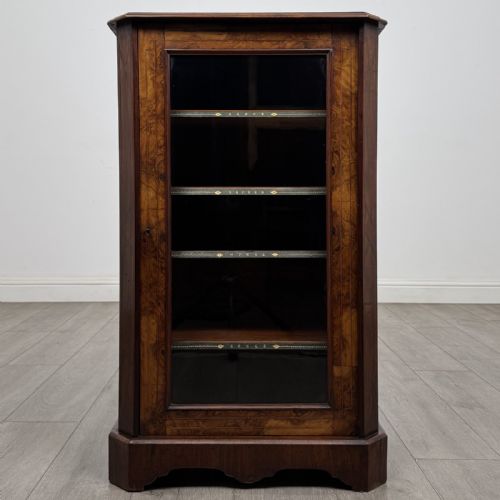
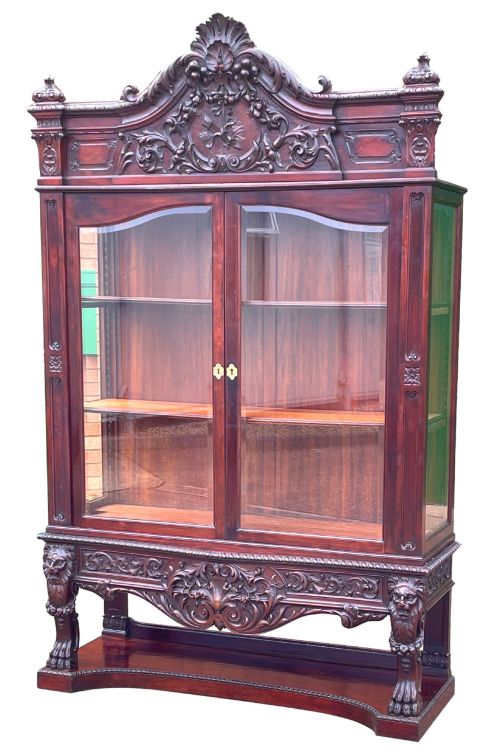
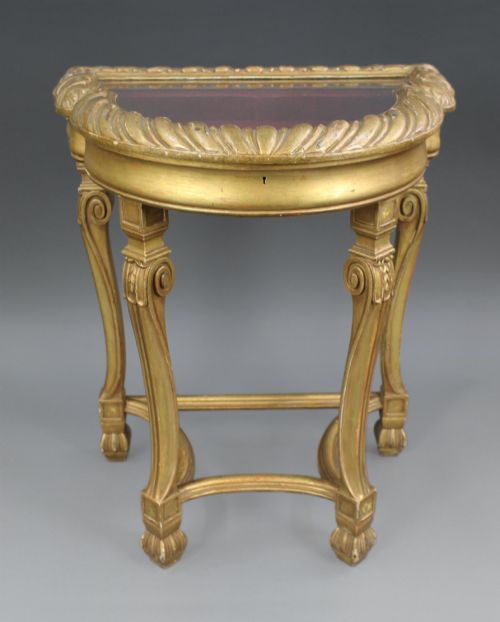
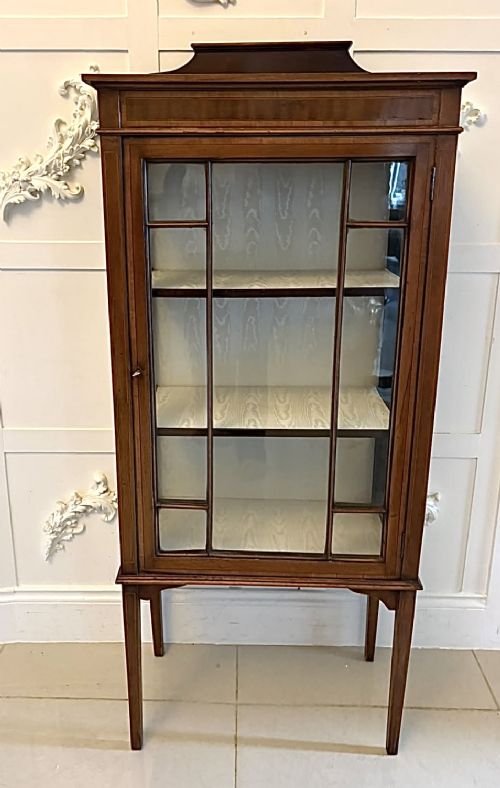
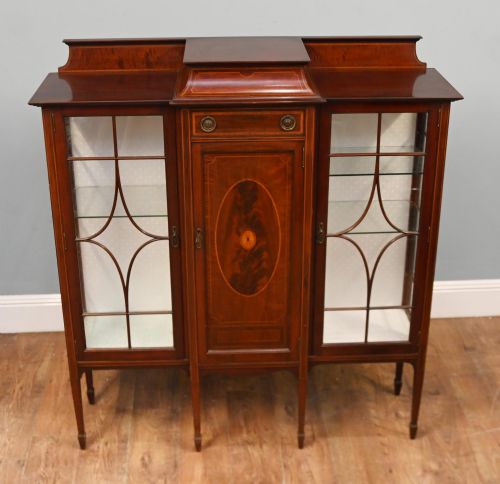
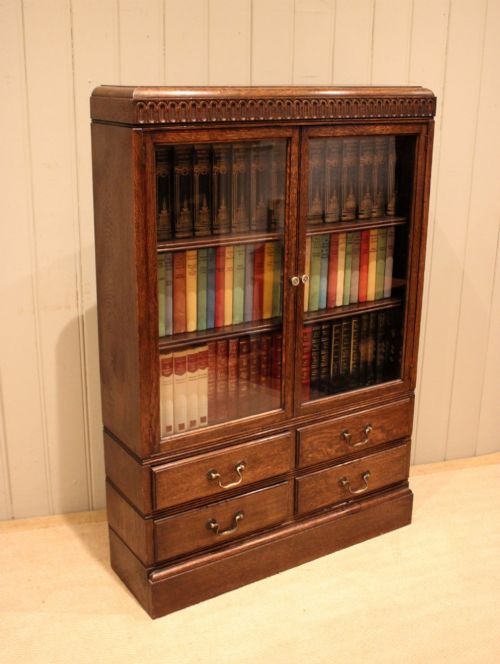
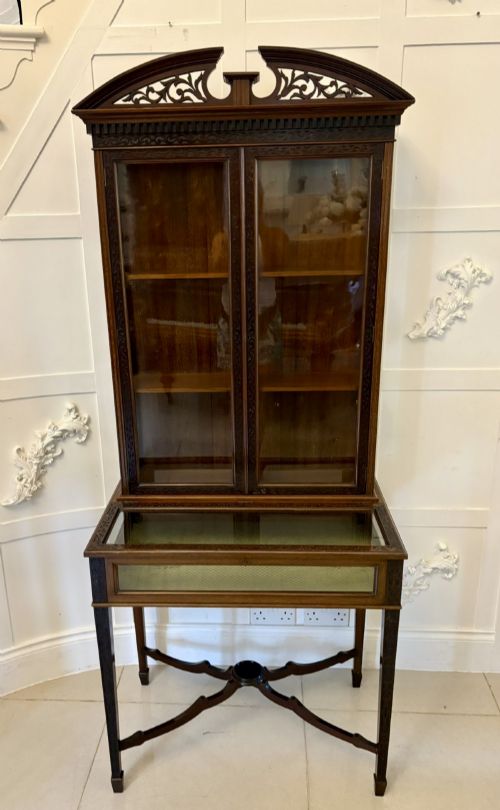
When searching for a display case with glass, buyers encounter a diverse selection of furniture designed specifically to protect and showcase precious objects. The items range from tall floor-standing cabinets to compact table-top counters and wall-mounted cupboards.
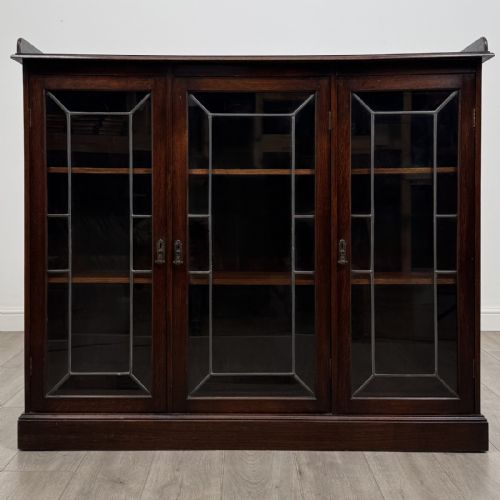
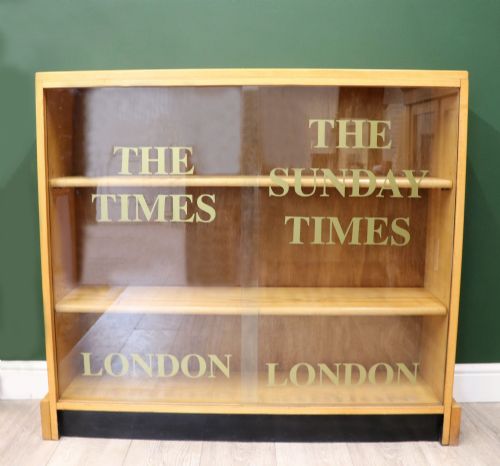
The material origins trace through several distinct periods, with Victorian and Edwardian examples forming the backbone of the selection alongside mid-to-late nineteenth-century Continental pieces. Forms include glazed bookcases, corner cabinets, shopfittings, and specialised vitrines.
French influences appear strongly through revival styles utilising serpentine fronts, marble tops, and elaborate ormolu mounts. Meanwhile, simpler English pieces favour oak, mahogany, and straightforward glazed doors for domestic or commercial use.
How They Were Made
Construction relies heavily on dense timbers such as mahogany, oak, walnut, and kingwood, often utilised as veneered surfaces over sturdy carcasing. Cabinetmakers framed transparent enclosures with bevelled or curved glass panels held tightly by wooden glazing bars or brass mounts.
Decorative elements involve intricate ormolu and gilt bronze mounts, painted Vernis Martin panels, and delicate marquetry inlay. Marble tops provide heavy, luxurious counters on Continental vitrines, while shop display variations incorporate mirrored interiors and adjustable glass shelving.
Display Case with Glass Retail Price Guide 2026
Typical asking prices for display case with glass among the pieces listed under this phrase on Sellingantiques today, from the lower quarter to the upper quarter. They describe what is for sale here now, not the wider market.
Several commercial shop cabinets bear surviving hand-painted advertising for chocolate and cocoa.
What Varies in Quality
Quality rests upon the ambition of the design and the precision of the execution, distinguishing simple utility cupboards from grand salon furniture. Superior examples display fluent serpentine shaping, fire-gilded ormolu mounts with crisp chasing, and finely figured timber veneers.
The integrity of the glass panels and the smoothness of operating doors or drawers also indicate workshop standards. Finer cabinets integrate painted decorative details and heavy marble slabs that match the scale and weight of the structural woodwork.
François Linke·Maison Krieger
The Display Case with Glass Glossary
- Vitrine
- A glass-panelled cabinet designed for displaying fine porcelain, curiosities, or objects of art. These pieces often feature glazed sides to maximise light penetration.
- Ormolu
- Gilt bronze ornamentation applied to the exterior of furniture, particularly popular in French nineteenth-century cabinetmaking. It adds metallic contrast and sculptural detail to timber surfaces.
- Vernis Martin
- A type of simulated Japanese lacquer developed in France during the eighteenth century and replicated later. It involves multiple layers of translucent varnish over painted scenes.
- Barograph
- A meteorological instrument housed in a wooden case with bevelled glass panels that records atmospheric pressure on a rotating chart. They frequently feature integrated thermometer dials and chart storage drawers.
Display Case with Glass: Frequently Asked Questions
What fits inside a display case?
These cabinets suit porcelain collections, glassware, books, and small decorative objects that benefit from dust-free enclosure and clear visibility.
Shop-fitting variants also accommodate retail merchandise, whilst smaller counter cases suit jewellery and personal accessories.
How are nineteenth-century vitrines cleaned?
Timber surfaces require gentle dusting with a dry cloth and occasional application of appropriate wax polish to maintain the finish. Glass panels need standard non-ammonia window cleaner applied to a cloth rather than sprayed directly near woodwork.
Where should a glass cabinet go?
Placement away from direct sunlight prevents fading in delicate wood veneers and protects interior fabrics like velvet linings. Positioning them against solid interior walls ensures stability, particularly for taller floor-standing models.
How do I spot French revival styles?
French revival pieces typically exhibit prominent ormolu mounts, serpentine or bombé shaping, and heavy marble tops. They frequently utilise kingwood veneers and incorporate painted panels in the manner of earlier decorative traditions.