

Dished Top Occasional Table
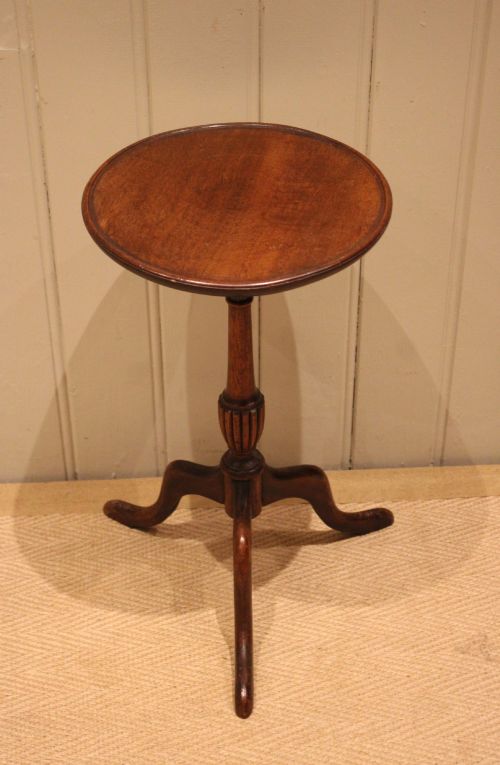
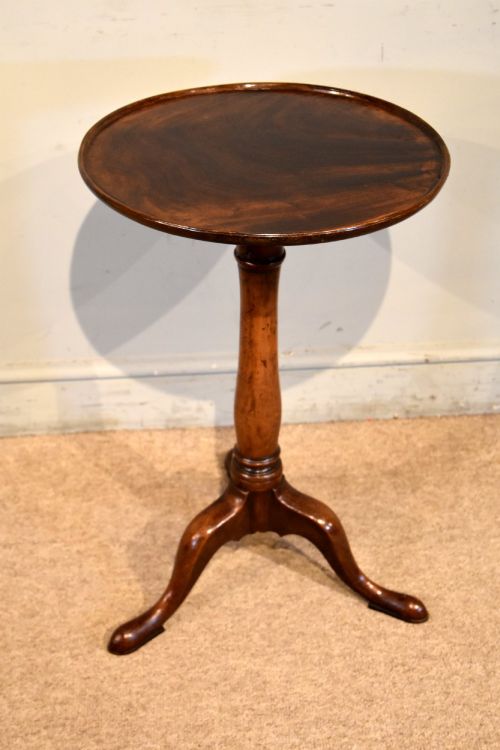
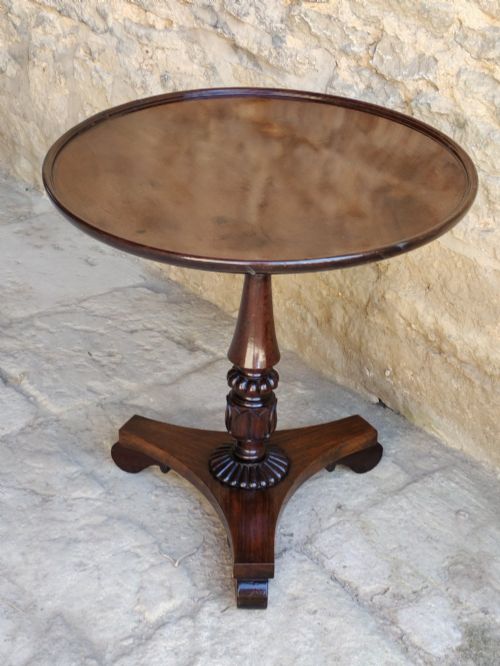
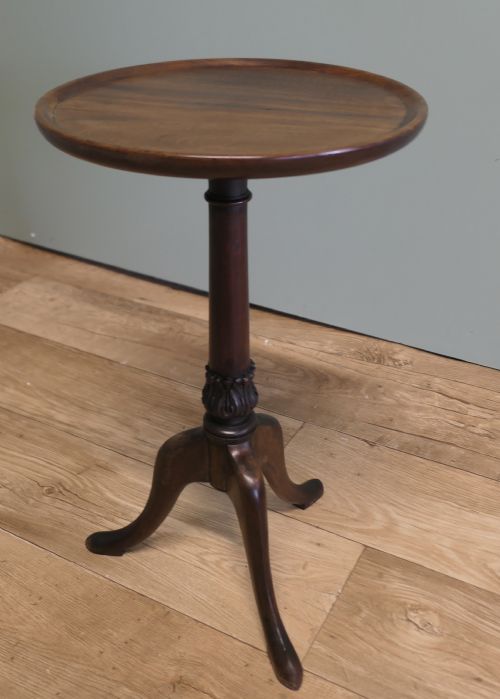
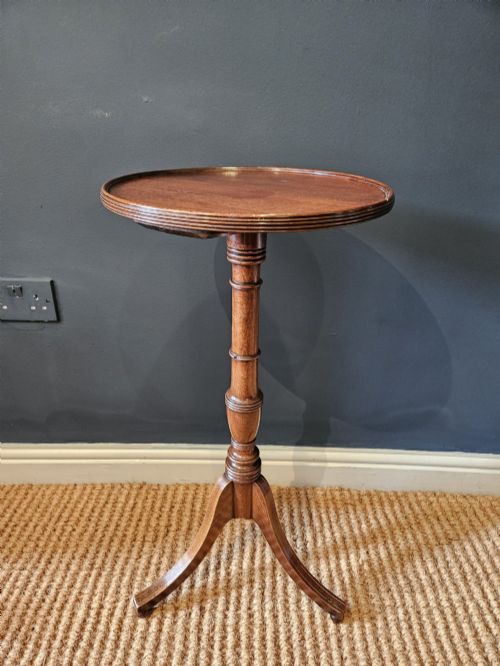
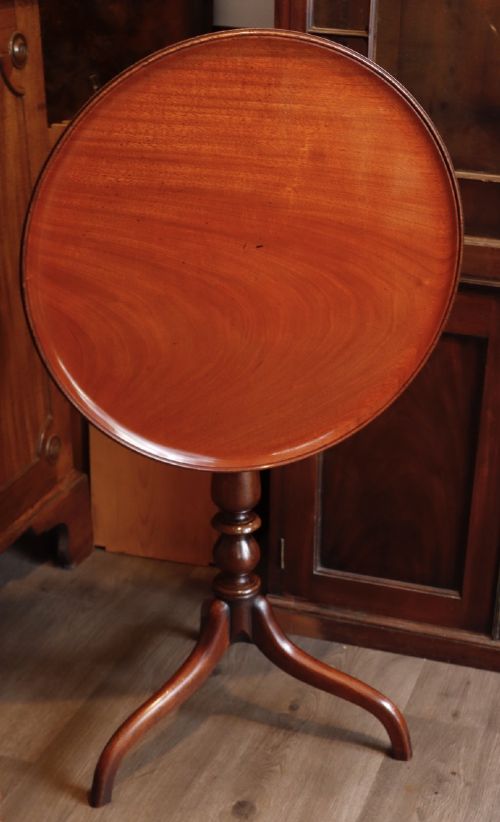
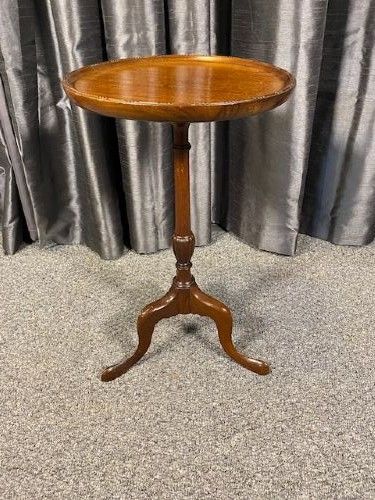
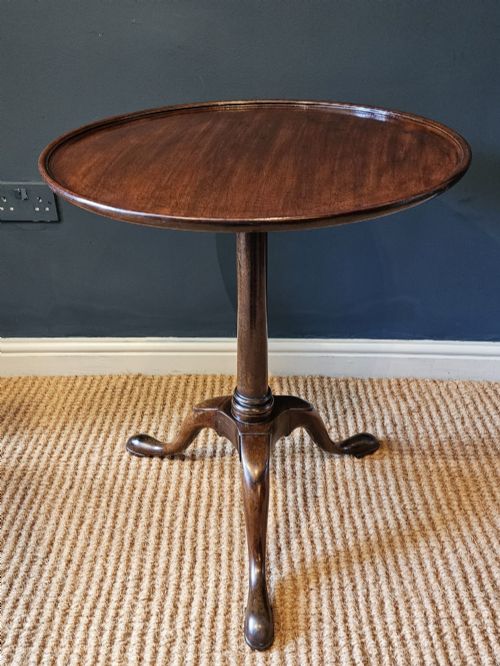
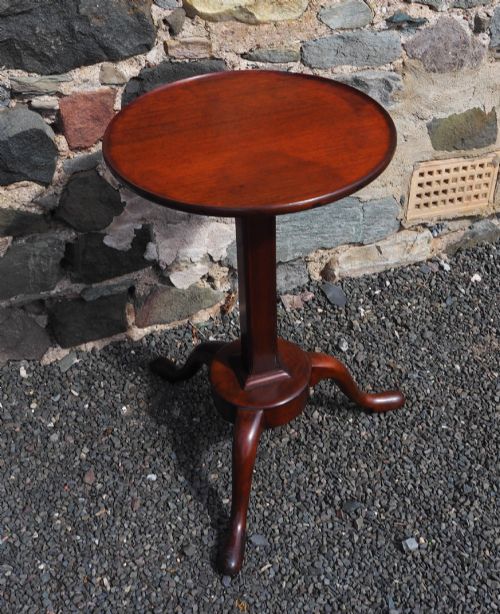
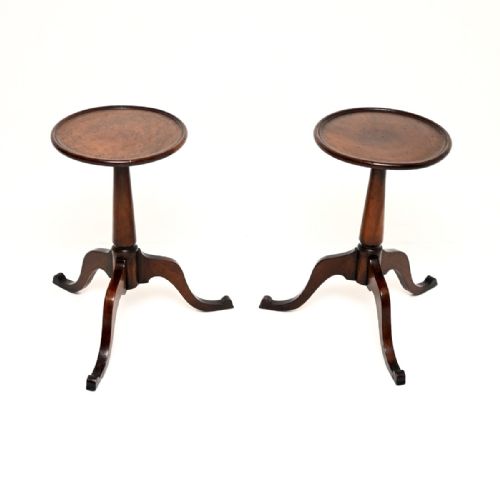
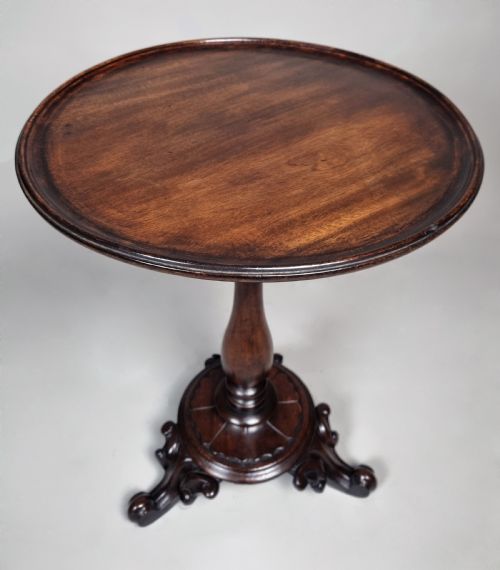
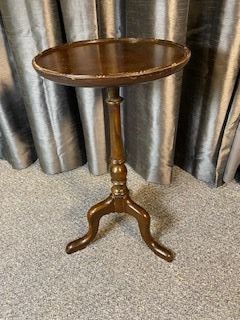
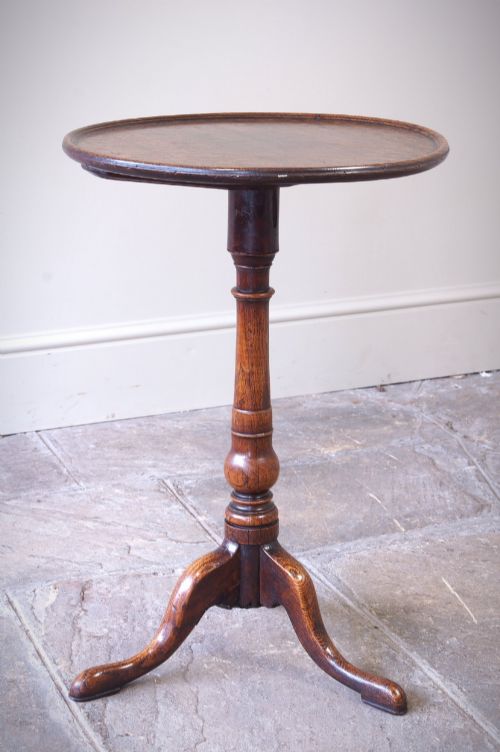
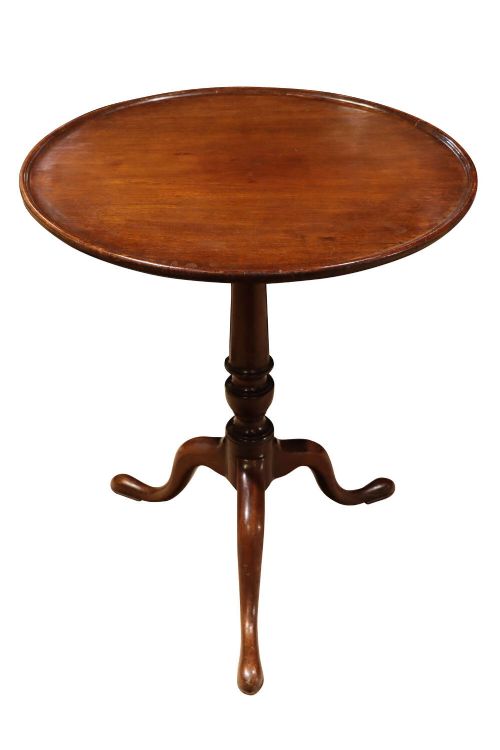
A dished top occasional table offers a raised circular rim to secure your tea or wine, combining compact utility with centuries of timber craftsmanship.
Dished Top Occasional Table
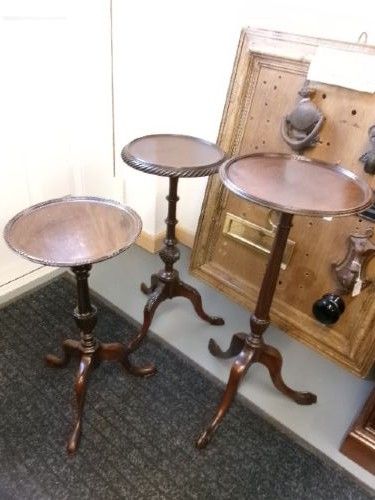
A dished top occasional table is a versatile small stand designed for portable use in the parlour or drawing room, frequently appearing in forms like wine tables, candlestands and tea tables. These pieces emerge across the Georgian, Regency and Edwardian periods, demonstrating enduring domestic utility.
The most common examples encountered on this page are mahogany tripod tables featuring circular tops with raised edges, alongside occasional variants in walnut and oak. These compact items suit modern spaces equally well as lamp tables or bedside stands.
Originating as practical furniture for serving or holding light refreshments, these tables rely on central pedestals supported by three splayed legs. Their varied forms span simple utility items to sophisticated tilt-top and birdcage mechanisms.
Distinguishing quality in construction and timber
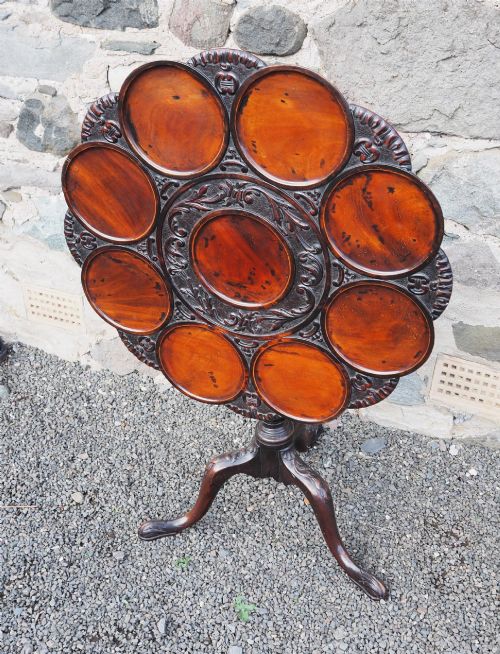
Quality rests in the choice of timber and the precision of the turning, where deeply figured mahogany or well-matched walnut distinguishes superior examples from plain utility pieces. The crispness of carved details on the knees and feet of the tripod base further separates standard workshop output from exceptional cabinetwork.
The integrity of the mechanism defines the working standard of the table, whether through a smoothly operating birdcage pivot or a tight snap-top catch. Subtle proportions and balanced leg splay indicate the care taken by the maker.
Dished Top Occasional Table Retail Price Guide 2026
Typical asking prices for dished top occasional table among the pieces listed under this phrase on Sellingantiques today, from the lower quarter to the upper quarter. They describe what is for sale here now, not the wider market.
Materials represented across the inventory include mahogany, red walnut, oak, rosewood, brass and inlaid boxwood.
Gillows
The Dished Top Occasional Table Glossary
- Birdcage
- A revolving wooden framework beneath the tabletop that allows the surface to both tilt and rotate. This mechanism requires precise joinery to prevent wobble.
- Snap top
- A spring-loaded or peg catch system enabling the table surface to lock flat for use or tilt upright against the pedestal for storage. It is typical of tripod tables from the eighteenth century onwards.
- Tripod base
- A support structure comprising three curved legs radiating from a central pillar. It provides stable footing on uneven floors.
- Candlestand
- A tall, slender table designed specifically to hold lighting, frequently featuring a small dished top to catch wax drips.
- Red walnut
- A dense, richly coloured American or native timber utilised in high-status cabinetmaking during the Georgian era.
Dished Top Occasional Table: Frequently Asked Questions
What is a dished top table used for?
These small stands served historically for holding tea service, wine glasses, or lighting apparatus in the principal rooms of a house. Their raised rims prevented items from sliding off during use.
Today, they function well as compact lamp tables, side tables, or display surfaces in living areas where floor space is limited.
How do I identify a Georgian tripod table?
Georgian examples typically feature solid timber construction in mahogany or walnut, often incorporating tilt-top or birdcage mechanisms beneath the surface. The legs frequently terminate in pad, snake, or claw-and-ball feet.
Proportions tend to be lighter and more refined than later nineteenth-century interpretations, reflecting the dominant styles of Chippendale and the broader eighteenth-century aesthetic.
What does a tilt top mechanism do?
The tilt-top mechanism connects the tabletop to the central pillar via a hinge and catch, allowing the surface to fold vertically. This design enabled servants to store multiple tables against the wall when rooms needed to be cleared for dancing or dining.
In daily use, it permits easier relocation and demonstrates the ingenious space-saving engineering of period cabinetmakers.
Are these tables suitable for everyday use?
Their sturdy tripod construction and durable hardwood frames make these pieces well-suited for holding drinks, books, or lamps in modern homes. Regular polishing with appropriate wax preserves the historic finish.
Care should be taken to place them away from direct heat sources and strong sunlight to protect the aged timber and historic polish.