

Dining Table with Leaves
A dining table with leaves offers the practical versatility of an extendable surface for gatherings alongside period character.
Dining Table with Leaves
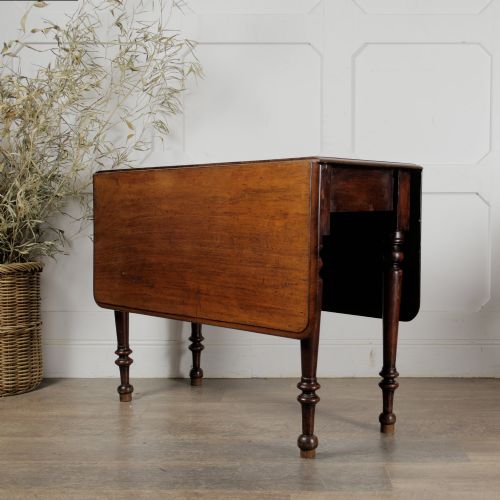
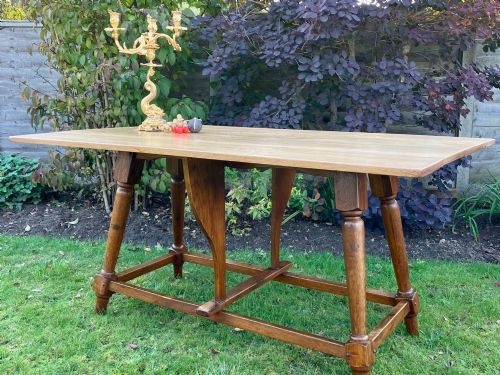
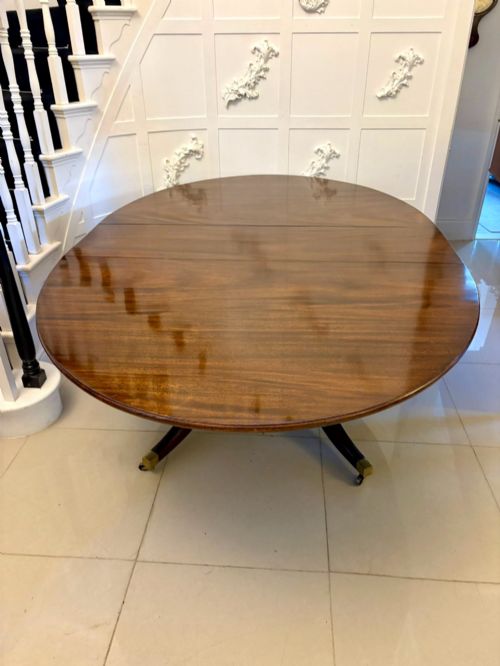
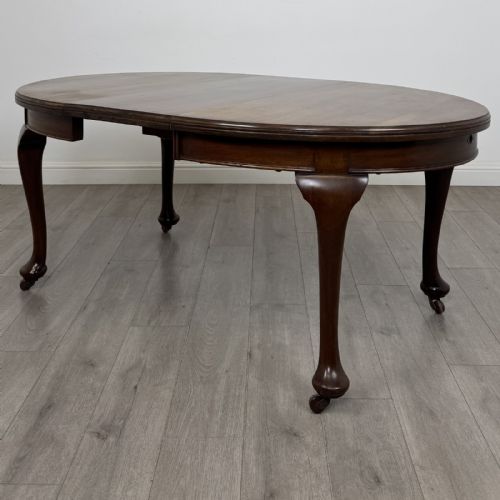
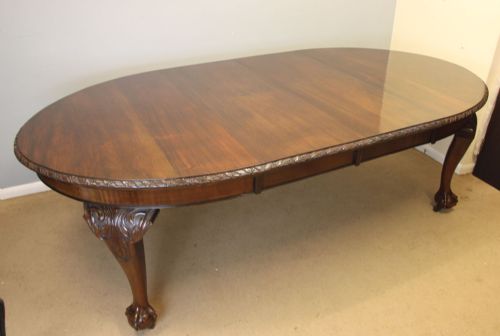
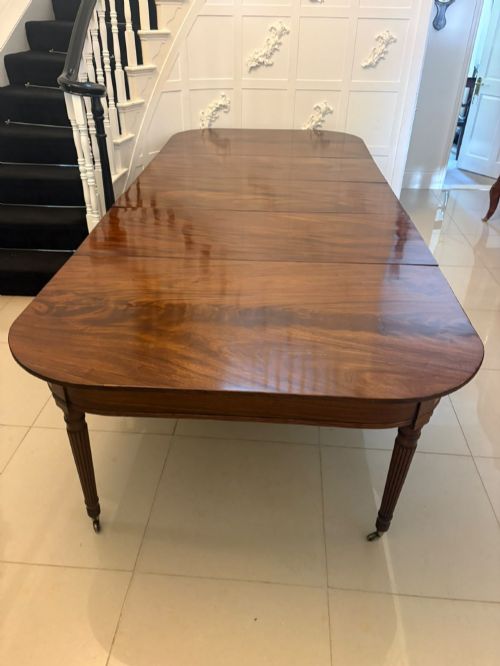
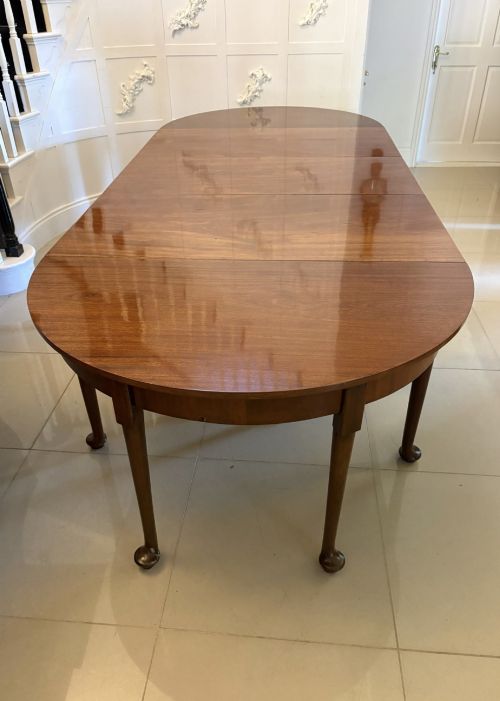
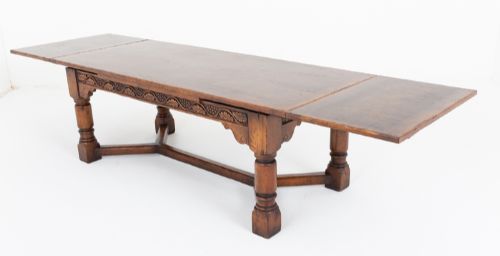
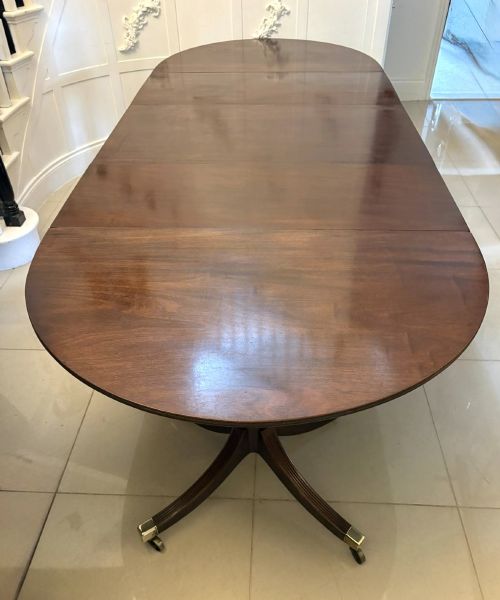
A dining table with leaves brings together formal pedestal designs and practical drop-leaf or gateleg folding formats found across multiple centuries. Buyers searching this phrase encounter everything from grand multi-pillar mahogany extending boards to compact oak and pine drop-leaf tables intended for everyday kitchens.
The selections span centuries of British cabinet-making, featuring seventeenth-century oak gateleg designs up to twentieth-century Georgian-style reproductions and Edwardian draw-leaf tables. Mahogany, walnut and oak dominate the forms, offering formats that scale from small breakfast tables to monumental banquet arrangements seating over twenty guests.
How they were made
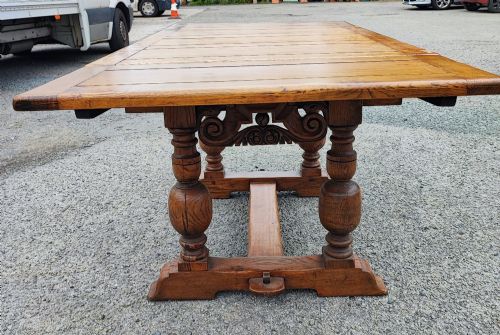
Cabinet-makers relied heavily on dense hardwoods such as mahogany, oak, walnut and fruitwood, often selecting timber with finely figured grains and patinas. Structural integrity relied on robust joinery including turned baluster legs, bobbin turnings, cabriole legs with pad feet, and solid pedestal bases.
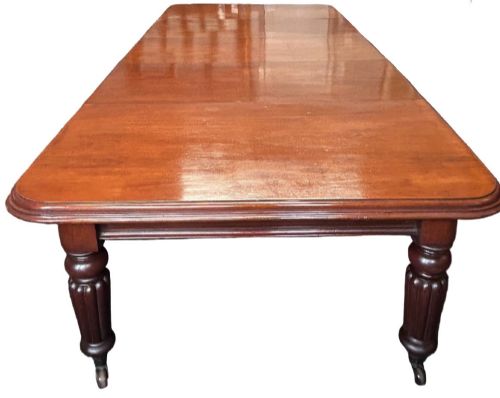
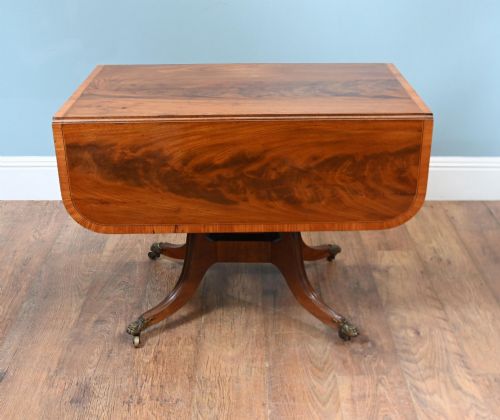
Extending mechanisms utilised internal runners, drop leaves supported by swing legs or gates, and removable or pull-out leaves secured by brass hardware. Inlaid details in satinwood and brass castors added both decorative contrast and functional mobility to finer formal pieces.
Dining Table with Leaves Retail Price Guide 2026
Typical asking prices for dining table with leaves among the pieces listed under this phrase on Sellingantiques today, from the lower quarter to the upper quarter. They describe what is for sale here now, not the wider market.
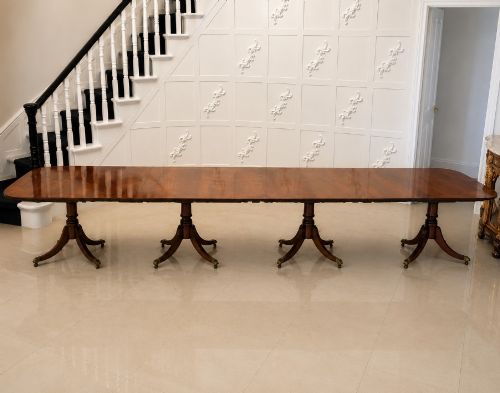
Some antique tables accommodate monumental gatherings by expanding out to seat up to twenty-six guests across multiple heavy pedestals.
What varies in quality
Quality rests primarily in the selection of the timber and the fidelity of the construction, where finely figured mahogany veneers or solid quarter-sawn oak timbers distinguish superior examples. The smoothness of the extending mechanism and the precision with which extra leaves fit against the main top mark the skill of the original maker.
Proportion and decorative restraint set fine pieces apart from standard utility furniture, visible in the carving of cabriole legs, reeded pillar supports, and subtle satinwood inlay work. A well-preserved patina on older walnut and oak surfaces demonstrates careful historical maintenance rather than aggressive modern intervention.
The Dining Table with Leaves Glossary
- Drop Leaf Table
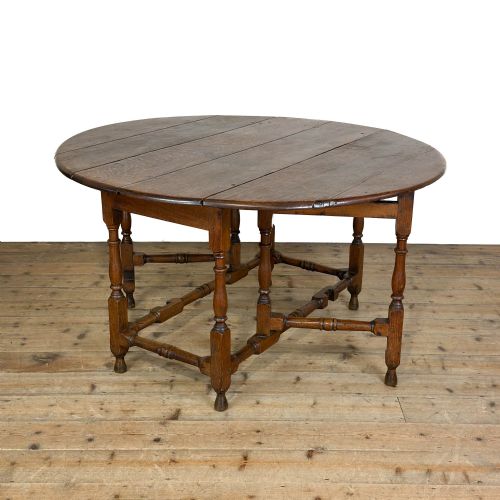
- A table with hinged flaps on either side that fold down to save space or lift up to enlarge the surface. These tables often rest on swing legs or gate structures.
- Gateleg Table
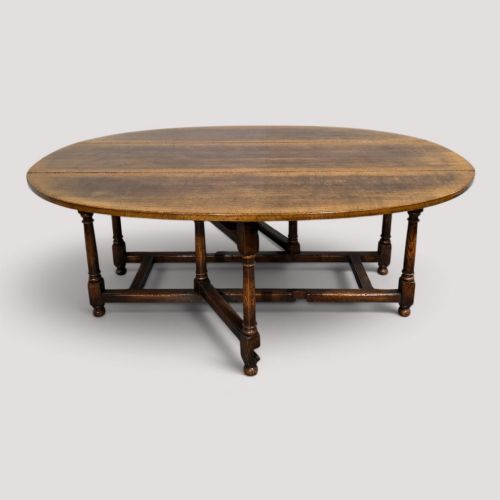
- A sturdy table featuring hinged legs that swing outward like a gate to support drop leaves when raised. This design dates back centuries and provides robust support for dining.
- Extending Dining Table
- A table engineered to accept additional loose leaves inserted into the centre, allowing the overall length to expand for larger groups. Mechanisms range from simple pull-out runners to multi-pillar systems.
- D-End Table
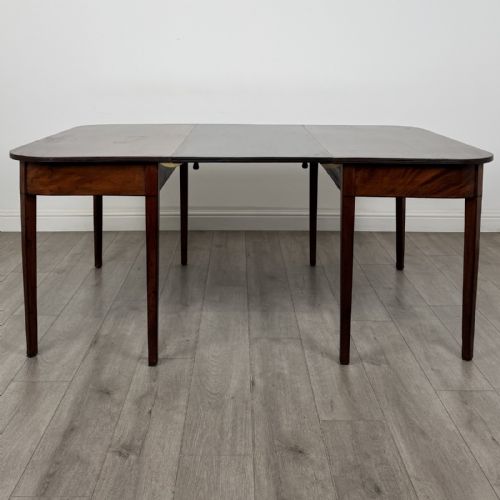
- A table whose ends are semicircular in shape, often forming the modular ends of a larger modular dining suite when separated from middle leaves. They appear frequently in Regency and Victorian dining rooms.
- Patina
- The surface sheen and softening of tone developed by wood over decades or centuries of use and exposure to light. A fine patina is valued by collectors for its depth and warmth.
Dining Table with Leaves: Frequently Asked Questions
How do I choose the right size extending table?
Consider your everyday dining space alongside the maximum number of guests you intend to seat when all leaves are inserted. Pillar tables and gateleg formats offer flexibility for smaller rooms while accommodating extra leaves for larger gatherings.
Check the mechanism type, such as pull-out leaves or drop-leaf flaps, to ensure the table functions comfortably within your room dimensions during daily use.
How do I care for antique mahogany and oak surfaces?
Protect timber surfaces from direct sunlight and excessive heat sources to prevent warping and fading of the natural grain. Apply natural wax polish periodically to maintain the moisture and rich patina of older wood.
Use coasters and placemats during daily dining to guard against moisture rings and heat marks on polished mahogany or walnut veneers.
How can I tell the period of a dining table?
Examine the timber species, leg turnings, and hardware details to help determine the era of manufacture. Seventeenth and eighteenth-century examples frequently feature solid oak with bobbin turnings or gateleg frames, while Regency and Victorian pieces often utilise mahogany, pedestals, and brass castors.
Construction methods underneath the top, such as hand-cut joints and original wooden runners, provide further clues regarding age and craftsmanship.